 Fairhaven Siding
 Exteriors Built for the York Area, Not a Generic Forecast
Homes in and around York sit close enough to Bellingham Bay that the weather has a distinct character: salty marine air, long stretches of driving rain off the Sound, and short, weak winters that give moss and algae almost year-round conditions to establish themselves. That combination is harder on a home's exterior than most homeowners realize until they're dealing with soft trim, streaked siding, or a roof that's shedding granules early. We work on homes throughout Whatcom County, and the York area gets the same attention to detail as anywhere else on our route.
This page covers how we approach siding, roofing, windows, and decks for houses in this part of Fairhaven, and why we standardized on one siding product instead of offering a menu of options that vary in how well they actually hold up here.
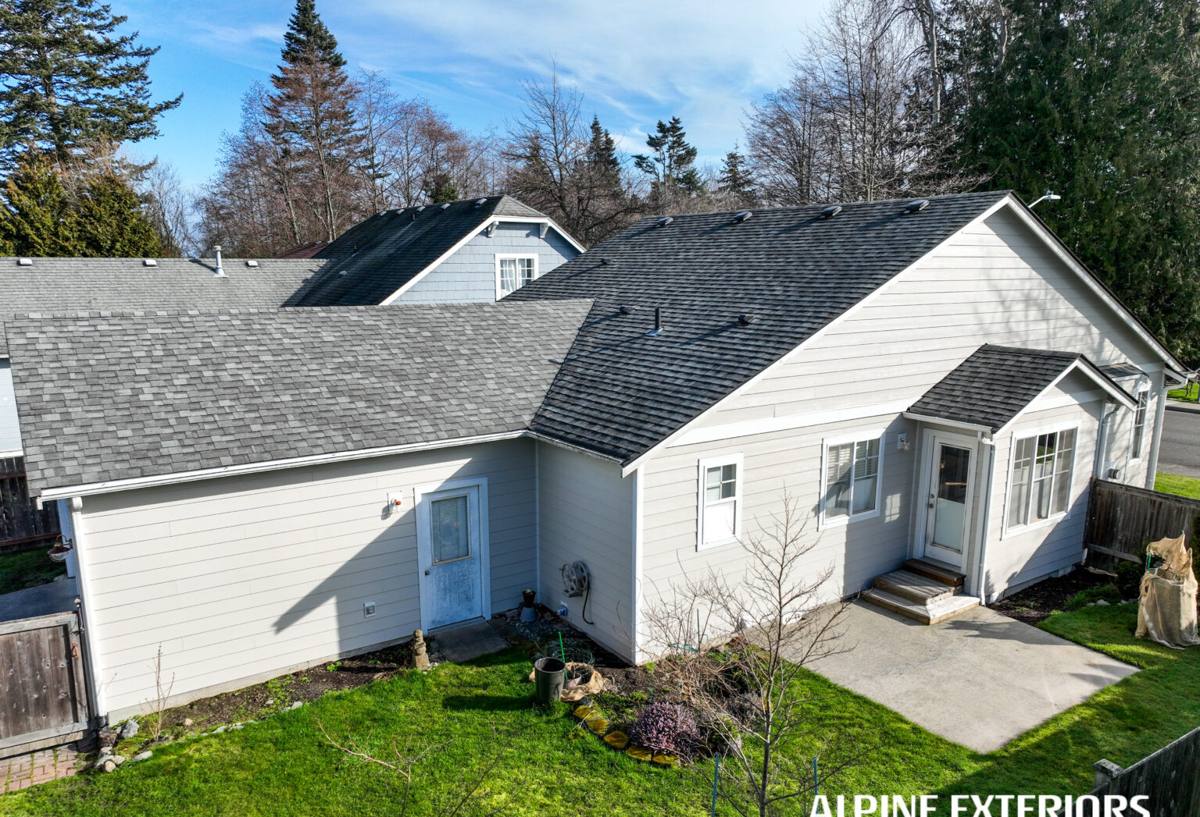
What the Local Climate Actually Does to a House
Salt Air and Moisture
Proximity to the water means airborne salt settles on exterior surfaces and accelerates corrosion of exposed fasteners, flashing, and hardware. It also means humidity stays elevated for long stretches, which keeps wood-based siding and trim damp longer after every rain event than the same materials would stay in a drier inland climate.
Driving Rain
Storms coming off the water often bring wind-driven rain that hits siding at an angle rather than falling straight down. That matters for how siding is installed — lap spacing, caulking, and flashing details that would be fine in a calmer climate can let water behind the cladding here if they're done loosely.
Moss and Algae Season
Western Washington's moss season isn't really a season — for many homes it's most of the year. Shaded north-facing walls, roof valleys, and anywhere debris collects stay damp long enough for moss, lichen, and algae to take hold. Left alone, that growth holds moisture against the surface underneath it, whether that surface is siding, trim, or roofing.
The Housing Stock in This Part of Fairhaven
York and the surrounding Fairhaven area include a mix of older homes with real character alongside newer infill construction. Older homes often have original wood siding or trim that's been painted over many times, sometimes hiding rot that's already well established underneath. Newer homes may have vinyl or engineered wood siding installed to a builder's cost target rather than to hold up specifically against marine exposure. Either way, when we're called out to look at a house here, the climate history of the property matters as much as its age.
Why We Install Only James Hardie Fiber Cement
We made a decision as a company to install one siding system — James Hardie fiber cement — rather than carry vinyl, LP SmartSide, cedar, primed spruce, or other fiber cement brands. That's not a marketing angle; it's a standard we hold ourselves to because of what we've seen play out on homes in this climate over time.
Why Not the Alternatives
Vinyl siding is inexpensive and low-maintenance in a general sense, but it can warp or become brittle over the years, its seams and J-channels give wind-driven rain more opportunities to get behind it, and it doesn't offer the same fire resistance as fiber cement. Engineered wood products like LP SmartSide perform reasonably well when maintained closely, but they're wood-based at the core, which means any breach in the factory coating or field-cut edge is a moisture entry point that has to be caught and sealed quickly — a real risk in a climate where wall assemblies stay damp for extended periods. Cedar and primed spruce are attractive materials, but both require an ongoing maintenance commitment (refinishing, caulking, moisture monitoring) that most homeowners underestimate when they choose them, and both are more vulnerable to the rot and insect issues that damp coastal air encourages.
What Hardie Gets Right for This Climate
James Hardie fiber cement is non-combustible, doesn't rot, and isn't a food source for insects. Its ColorPlus factory finish is baked on under controlled conditions rather than field-applied, which gives it more consistent coverage and a longer service life against UV and moisture than most job-site paint jobs. Hardie also engineers specific product lines (their HZ5 line, for example) for harsher climate zones, accounting for exactly the kind of moisture exposure this area sees. None of this means the material is maintenance-free — but the maintenance burden is smaller and more predictable, which matters on a home that's going to spend a lot of its life damp.
Siding, Roofing, Windows, and Decks — One Envelope
Siding doesn't fail in isolation. Water that gets past bad flashing at a roofline, an old window, or a rotting deck ledger board can show up as a siding problem two walls over. We handle all four trades — siding, roofing, windows, and decks — because on an older or storm-exposed home, treating the exterior as one connected system catches problems that a siding-only company would miss.
- Siding: James Hardie lap, shingle, and panel systems, installed to manufacturer spec for fastening, clearance, and flashing.
- Roofing: Roof condition directly affects how much water reaches the siding and trim below it — we look at both together.
- Windows: Old or poorly flashed windows are one of the most common hidden water entry points we find during siding tear-off.
- Decks: Ledger boards and deck-to-house connections are a frequent rot point, especially where a deck sits low or shaded.
Signs Your Exterior Is Losing the Fight
Most homeowners don't notice exterior damage until it's already progressed. A few things worth checking, especially heading into another wet season:
- Dark streaking, moss, or algae on north- or shade-facing walls that keeps coming back after cleaning
- Soft or spongy spots when you press on siding or trim, particularly near ground level or under windows
- Paint that's bubbling, peeling, or failing faster than it should on one section of the house
- Visible gaps or cracking at seams, corners, or where siding meets trim
- Musty smell or visible staining on interior walls that share a wall with a suspect exterior area
- Fascia or trim boards that look swollen or have separated from the wall
Any one of these on its own isn't necessarily an emergency, but if you're seeing more than one, it's worth having someone look at the wall assembly, not just the surface.
What Correct Installation Actually Involves
Fiber cement siding performs the way it's rated to perform only when it's installed correctly — and installation quality is where a lot of the real-world difference between a good siding job and a problem job actually comes from, regardless of brand. For Hardie specifically, that means:
- Proper water-resistive barrier and flashing details behind the siding, especially at windows, doors, and roof-to-wall transitions
- Correct fastener type, spacing, and penetration depth per Hardie's published specifications
- Adequate clearance between siding and grade, decks, and roof lines to avoid wicking moisture
- Properly sized gaps at butt joints and trim, sealed with the right sealant rather than caulked over gaps that are too tight or too wide
- Field-cut edges primed or sealed where the factory finish has been cut through
Skipping any of these doesn't usually cause an immediate problem — it shows up as a leak or rot issue years later, which is exactly why installation quality matters as much as the product choice itself.
Cost Factors to Expect
Every house is different, but these are the main variables that drive cost on a siding project in this area:
| Factor | Why It Matters |
|---|---|
| Tear-off vs. new construction | Removing old siding and repairing any hidden rot underneath adds labor that isn't visible until walls are opened up |
| Home size and wall complexity | More corners, dormers, and trim detail mean more cutting, fitting, and flashing work |
| Siding profile chosen | Lap, shingle, and panel Hardie products have different material and labor costs |
| Trim and accessory work | Fascia, soffits, window trim, and corner boards are often replaced alongside siding |
| Access and site conditions | Slopes, tight lot lines, and mature landscaping affect scaffolding and staging time |
Why Homeowners Here Choose a Local Crew
A crew that works Whatcom County regularly knows what this climate does to a house because they see it on the next job and the one after that. That means recognizing rot patterns before they're obvious, knowing which flashing details actually hold up against wind-driven rain off the bay, and not treating moss and algae as a cosmetic afterthought. It also means being reachable after the job is done — for warranty questions, for a follow-up on a caulk line, for whatever comes up once a house has been through its first winter with new siding.
Maintenance Going Forward
Even with fiber cement siding, this climate calls for periodic attention: rinsing off moss and algae growth before it spreads, checking caulk lines at trim and window edges every year or two, and keeping gutters clear so water isn't sheeting down the wall face. None of that is heavy maintenance compared to wood or vinyl, but it's not zero either, and we're upfront about that with every homeowner rather than overselling how maintenance-free any exterior product really is.
If you're seeing early signs of trouble on a York-area home, or just want an honest read on where your siding, roofing, windows, or deck actually stand, we're happy to take a look. Reach out for a free, no-pressure estimate using the form below.