 Fairhaven Siding
 Edgemoor's Exterior Challenges Are Different From Most of Whatcom County
Edgemoor sits close to Bellingham Bay, tucked among mature trees and bluff-side lots that give the neighborhood its character. That same setting — water on one side, dense tree canopy on the other — creates a harder environment for exterior building materials than homes just a few miles inland. Siding, trim, roofing, and deck surfaces here deal with salt-laden air, wind-driven rain off the bay, and long stretches of shade that keep moisture sitting on exterior surfaces far longer than it does in drier, more open parts of Whatcom County.
None of this means an Edgemoor home is doomed to constant repairs. It means the exterior has to be built and maintained with those specific conditions in mind, rather than treated the same as a house in a dry, sun-exposed subdivision. That's the lens we bring to every siding, roofing, window, and deck project in this neighborhood.
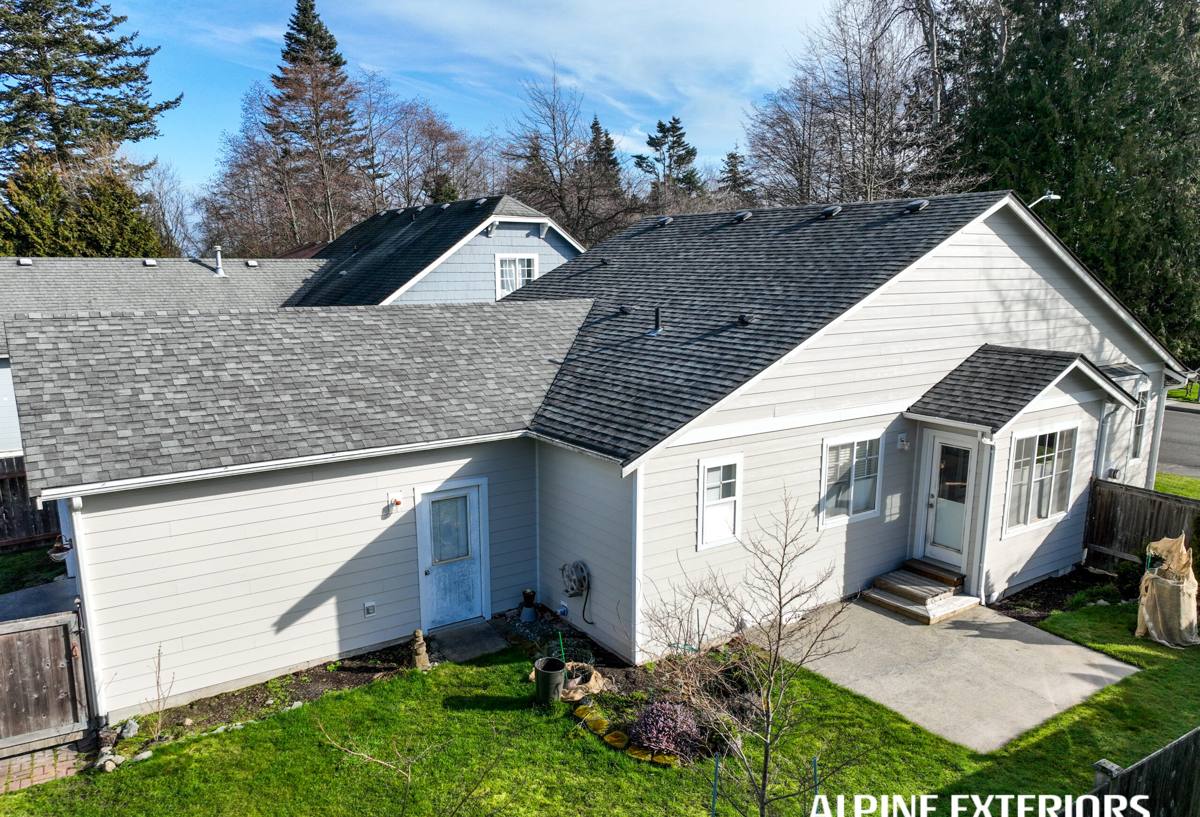
Salt Air and Metal Fatigue
Proximity to saltwater doesn't just affect boats and docks. Airborne salt settles on exterior surfaces, and over years it accelerates corrosion on exposed metal — fasteners, flashing, gutter hardware, and light fixtures in particular. On a house near the bay, cheap or improperly coated fasteners can start showing rust streaks well before they would on an inland home, and rust streaks on siding are rarely just cosmetic — they're often a sign that the fastener itself is degrading.
This is one of the quieter reasons material and hardware choice matters so much for Edgemoor homes. Stainless or hot-dip galvanized fasteners, correctly rated flashing, and a siding product that doesn't rely on a painted surface film to stay watertight all matter more here than they would forty miles inland.
Where Salt Air Shows Up First
- Rust streaking below nail heads or screws on siding and trim
- Pitting or white corrosion on aluminum gutters and downspouts
- Discoloration around metal roof flashing and vent boots
- Premature failure of cheap exterior light fixtures and hardware
Wind-Driven Rain Off the Bay
Bellingham Bay generates its own weather pattern for the shoreline neighborhoods around it, and Edgemoor catches a good share of it. Rain that comes in sideways during a winter storm doesn't behave like a straight downpour — it drives up under trim, around window flanges, and into laps and seams that would stay dry in calmer weather. A siding system that's watertight on paper but marginal in its actual installation will eventually let water find one of those weak points.
This is why installation detail matters as much as the product itself. Proper lap spacing, correctly flashed windows and doors, weather-resistant barrier continuity, and sealed penetrations are what actually keep wind-driven rain out — not just the siding material sitting on the wall. We install to those details on every Edgemoor project, because a house exposed to bay-driven rain doesn't give you much margin for shortcuts.
The Long Moss Season
Edgemoor's tree cover is one of the neighborhood's best features and one of its toughest exterior conditions. Shaded, north-facing walls and roof sections stay damp for days after a storm instead of drying out in an afternoon of sun. That extended dampness is exactly what moss, algae, and mildew need to take hold, and once established, they hold moisture against the surface underneath them — whatever that surface is.
On wood-based siding products, that trapped moisture is a real problem: it can lead to swelling, delamination, or rot in the substrate over time, especially at butt joints and lower courses near grade or foliage. On a roof, moss growth under shingles can lift them and shorten the roof's service life. None of this is unique to Edgemoor, but the combination of shade and bay humidity makes the moss season here longer and more persistent than in more open parts of Fairhaven or greater Bellingham.
Practical Moss and Moisture Habits
- Keep tree limbs and shrubs trimmed back from siding and roof edges to improve airflow and sun exposure
- Clean gutters at least twice a year — clogged gutters back water up under roofing and trim
- Rinse visible moss or algae growth off siding and decking before it spreads, using a gentle wash rather than a pressure washer that can force water behind panels
- Check north-facing and shaded wall sections yearly for early staining or soft spots
Why We Standardized on James Hardie Fiber Cement
We install James Hardie fiber cement siding exclusively. We don't offer vinyl, LP SmartSide, primed spruce, cedar, or other fiber cement brands, and that's a deliberate standard, not a limitation in what we're capable of installing.
In a climate like Edgemoor's — salt air, wind-driven rain, extended shade and moss exposure — the trade-offs of other common siding materials show up faster than they would in a milder setting. Vinyl can warp or become brittle with age and offers limited resistance to wind-driven water intrusion at seams. Engineered wood products and cedar are organic materials at their core, and no factory treatment fully eliminates their vulnerability to sustained moisture, especially in shaded, damp microclimates like the ones common in Edgemoor's tree-covered lots. These aren't defects in those products; they're inherent trade-offs of what they're made from.
James Hardie fiber cement is cement, sand, and cellulose fiber — it doesn't rot, and moss and mildew don't feed on it the way they can on organic siding. It's also non-combustible, which matters given the wildfire-adjacent building conversations happening across the Pacific Northwest. Hardie's ColorPlus factory finish is baked on under controlled conditions, which holds up better against UV and salt-air exposure than field-applied paint, and it's backed by a strong transferable warranty when installed to Hardie's specifications.
| Factor | James Hardie Fiber Cement | Vinyl / Engineered Wood |
|---|---|---|
| Moisture and rot resistance | Cement-based, does not rot | Organic core (engineered wood) or seam-dependent water resistance (vinyl) |
| Salt air / coastal exposure | Engineered for coastal climates (HZ product lines) | Variable; UV and salt can accelerate wear |
| Fire resistance | Non-combustible | Combustible (both vinyl and wood-based products) |
| Finish durability | Factory-baked ColorPlus finish | Field-applied paint (wood) or molded color (vinyl) that can fade |
| Warranty | Long-term, transferable when installed to spec | Varies by manufacturer, often prorated |
How We Install Siding for Edgemoor's Conditions
James Hardie makes climate-engineered HZ product lines specifically for regions like ours, and we select and detail the installation around what Edgemoor's exposure actually demands. That includes correct weather-resistant barrier layering, properly flashed window and door openings, and fastener choices that won't become the next rust streak on the wall. We also pay close attention to clearance at grade and at deck or patio intersections, since siding installed too close to the ground or to hard surfaces holds moisture longer — a bigger issue in a neighborhood with Edgemoor's shade and rain patterns than it would be somewhere drier.
We follow Hardie's published installation specifications closely, because that's what keeps the manufacturer's warranty intact and what actually delivers the performance the product is designed for. A Hardie board installed with the wrong fasteners, wrong lap exposure, or missing flashing details won't perform the way the product is capable of — the installation is at least as important as the material.
Roofing, Windows, and Decks Face the Same Climate
Siding doesn't weather in isolation — the same salt air, wind-driven rain, and moss conditions affect every exterior surface on an Edgemoor home. Roofing takes the most direct hit from moss and standing moisture, especially on shaded slopes, which is why gutter maintenance and periodic roof inspection matter as much as the roofing material itself. Windows are common leak points where wind-driven rain finds gaps in old flashing or worn seals. Decks, especially wood decking near tree cover, deal with the same extended damp periods that make moss and mildew a persistent issue on siding.
Because we handle siding, roofing, windows, and decks, we look at an Edgemoor home's exterior as one connected system rather than four separate projects. A siding replacement is a natural point to also address aging flashing at rooflines, tired windows that are letting moisture in around their frames, or a deck that's holding water instead of shedding it.
Choosing a Contractor for a Coastal Whatcom County Property
Not every contractor who works in Whatcom County has real experience with bay-adjacent, shaded properties like the ones common in Edgemoor. The details that matter here — fastener corrosion resistance, flashing at wind-exposed elevations, clearance and drainage around shaded wall sections — are easy to skip if a crew is used to installing the same way on every job regardless of site conditions.
What to Ask Before Hiring
- Do they have current Washington State contractor licensing and adequate liability insurance?
- Can they explain how they'd detail flashing and fastener choice specifically for a shaded, bay-exposed lot?
- Do they follow the manufacturer's published installation specifications, and will that keep the product warranty valid?
- Will they put material, scope, and warranty terms in a written estimate before work begins?
- Are they familiar with local permitting requirements for exterior work in Bellingham and Whatcom County?
What Drives Cost on an Edgemoor Siding Project
Every home is different, but a few factors consistently move the price on Edgemoor projects specifically, beyond the standard square footage and trim complexity that affect any siding job.
| Cost Factor | Why It Matters in Edgemoor |
|---|---|
| Existing moisture or rot damage | Shaded, damp walls sometimes have hidden substrate damage that needs repair before new siding goes on |
| Access and tree clearance | Mature tree cover on many Edgemoor lots can require extra care or clearance work around the work area |
| Flashing and window detailing | Wind-driven rain exposure calls for more thorough flashing work than a sheltered inland home |
| Fastener and hardware upgrades | Salt-air-resistant fasteners cost more than standard hardware but reduce long-term rust issues |
| Scope bundling | Combining siding with roofing, window, or deck work can reduce overall mobilization and access costs |
A Long-Term View for a Long-Term Climate
Edgemoor's setting is part of why people choose to live there — the water, the trees, the quiet. Those same features are exactly what make the exterior of a home work harder than average. The right approach isn't to fight the climate with constant patching; it's to build the exterior correctly the first time, with materials and installation details suited to salt air, driving rain, and a long moss season, so maintenance stays manageable instead of becoming a recurring fight.
If you're noticing rust streaks, persistent moss, soft spots, or aging trim on an Edgemoor home, we're happy to take a look and walk you through what we're seeing and what your options are. Reach out for a free, no-pressure estimate using the form below.