 Fairhaven Siding
 Asphalt Shingle Roofing Built for the Puget Neighborhood
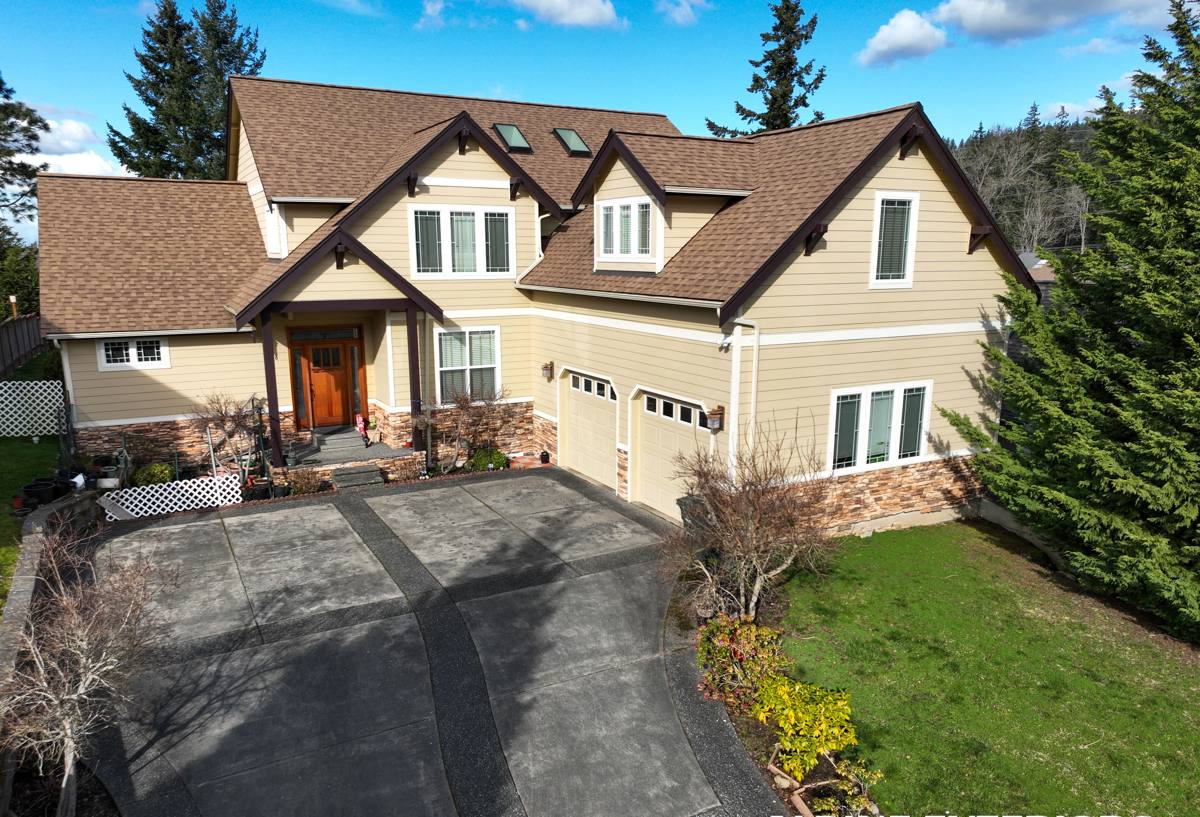
Puget sits close enough to Bellingham Bay that homes here take a different kind of weathering than roofs a few miles inland. Salt-tinged air moves in off the water, driving rain comes sideways during winter storms, and the tree cover that makes this part of Fairhaven so pleasant to live in also means roofs spend a good chunk of the year shaded and damp. Asphalt shingle roofing is still the most practical, cost-effective choice for the vast majority of homes in this neighborhood — but only when it's specified and installed with those conditions in mind, not treated as a generic product dropped onto any house anywhere in the country.
We install asphalt shingle roofs throughout Fairhaven and the surrounding Whatcom County area, and Puget's mix of older single-family homes and newer infill construction gives us a good read on what actually holds up here versus what looks fine for a season or two before problems show up.
Why Puget's Climate Is Harder on a Roof Than It Looks
None of the individual stressors here are extreme on their own. It's the combination, repeated year after year, that wears a roof down faster than homeowners expect.
Salt Air and Metal Fasteners
Proximity to the bay means airborne salt settles on roofing surfaces and metal components. Standard electro-galvanized nails and cheap flashing can start corroding years before the shingles themselves are due for replacement. This is a materials-selection issue, not a shingle-brand issue — it's about choosing corrosion-resistant fasteners and flashing metals appropriate for a near-marine environment.
Driving Rain and Wind-Driven Water
Storms off the water don't just fall straight down — wind pushes rain sideways and up under shingle edges, valleys, and anywhere the underlayment or flashing has a gap. A roof that would perform fine in a drier, calmer climate can leak here simply because the install didn't account for wind-driven moisture at penetrations, eaves, and valleys.
Extended Moss and Algae Season
Shade from mature trees plus consistent moisture means moss and algae have a long growing season on Fairhaven roofs. Moss isn't just cosmetic — its root structure lifts shingle edges, holds water against the roof deck, and accelerates granule loss. A roof system that doesn't account for moss resistance and airflow will need more frequent cleaning and will age faster than the shingle's rated lifespan suggests.
What a Correct Asphalt Shingle Job Looks Like Here
A roof that's going to actually perform in Puget's conditions is built in layers, and every layer matters as much as the shingle itself.
- Deck inspection and repair — any soft, delaminated, or water-stained sheathing gets replaced before anything goes back down. Covering a compromised deck just hides the problem.
- Ice and water shield at vulnerable areas — eaves, valleys, and roof-to-wall transitions get a self-adhering waterproof membrane, not just felt, because these are the spots wind-driven rain finds first.
- Synthetic underlayment across the field — a durable, water-resistant layer beneath the shingles that doesn't degrade the way old-style felt can under repeated damp/dry cycles.
- Corrosion-resistant fasteners and flashing — stainless or high-quality coated nails and properly formed step and counter-flashing at every wall intersection and penetration.
- Algae-resistant shingle products — many manufacturers now build copper or zinc granules into their shingle lines specifically to slow moss and algae growth; given Puget's shade and moisture, this is worth the modest upgrade cost.
- Proper attic and roof ventilation — balanced intake and exhaust venting keeps moisture from condensing on the underside of the deck, which matters as much for shingle longevity as anything happening on top of the roof.
Skip any one of these and the roof may still look fine going up — the failures just show up two, five, or ten years later, usually as a leak, premature granule loss, or a moss problem that keeps coming back no matter how often it's cleaned.
Choosing the Right Shingle for a Puget Home
Not every asphalt shingle line is built the same way, and the differences matter more here than in a drier climate. We walk homeowners through the tradeoffs honestly rather than pushing whatever has the best margin.
| Shingle Type | Typical Lifespan | Best Fit For | Consideration in Puget's Climate |
|---|---|---|---|
| 3-Tab (Standard) | 15-20 years | Budget-conscious re-roofs, simple rooflines | Lower wind rating and thinner profile; less margin against driving rain at seams |
| Architectural (Laminate) | 25-30 years | Most Fairhaven homes; best overall value | Heavier, better wind resistance, wider range of algae-resistant options |
| Premium/Designer | 30-50 years | Character homes, higher-end remodels | Best warranty structure and moss resistance, higher upfront cost |
| Algae-Resistant (any tier) | Varies by base shingle | Shaded, tree-covered lots | Copper/zinc granules slow moss and streaking; strongly recommended for this neighborhood |
For most Puget homes, we steer people toward at least a mid-grade architectural shingle with algae-resistant granules. The price difference over a basic 3-tab is modest relative to the total job cost, and the added wind rating and moss resistance pay for themselves by extending the real-world service life of the roof in this specific environment.
Our Process for Puget Roof Replacements
1. On-Site Assessment
We walk the roof and attic, not just look at it from the ground. That means checking deck condition, existing ventilation, flashing details at chimneys and walls, and how much moss or algae buildup already exists — all of which shape the actual scope of work, not just a generic square-footage number.
2. Written Scope and Straight Pricing
Homeowners get a clear breakdown of what's being replaced, what materials are specified and why, and what it costs — no vague allowances that turn into change orders once the tear-off starts.
3. Tear-Off and Deck Repair
Old roofing comes off down to the deck so we can actually see what's underneath. Any damaged sheathing is identified and replaced before new materials go down.
4. Waterproofing and Flashing First
Ice and water shield, underlayment, and all flashing go in before a single shingle is installed. This is the layer that actually keeps Puget's wind-driven rain out, and it's also the layer that's invisible once the job is done — which is exactly why it has to be done right the first time.
5. Shingle Installation and Ventilation Check
Shingles are installed to manufacturer nailing and exposure specs, and we verify attic ventilation is balanced before calling the job complete.
6. Final Walkthrough
We walk the finished roof with the homeowner, explain what was done, and cover basic maintenance expectations — including how moss and debris should be managed given the shade on the property.
Maintenance That Actually Matters in This Neighborhood
A well-installed roof still needs some upkeep in a climate like this one. The list is short, but skipping it shortens a roof's life more than people expect.
- Keep gutters clear of needles and leaf debris — clogged gutters back water up under the shingle edge, which is a common cause of eave rot in tree-covered lots.
- Have moss growth treated or gently removed before it establishes — waiting until it's thick makes removal harder on the shingles and more likely to lift granules.
- Trim back overhanging branches where practical — less shade and debris means faster drying and a shorter moss season.
- Schedule a roof check after major windstorms — a lifted shingle or displaced flashing is easy to fix quickly and expensive to ignore.
- Watch for granules collecting in gutters or downspouts — heavier-than-normal granule loss is often the first visible sign a roof is aging out.
Why a Crew That Already Works Puget Makes a Difference
Roofing crews who mostly work drier, inland climates sometimes under-spec the waterproofing and flashing details that matter most here, because those details aren't as critical where they usually work. A crew that's used to Whatcom County's coastal-influenced weather already knows to prioritize wind-driven-rain protection at valleys and walls, to default toward algae-resistant shingles under tree cover, and to check ventilation as a matter of course rather than an afterthought. That local familiarity shows up less in what a roof looks like on installation day and more in how it performs three winters later.
Get a Straightforward Estimate
If your roof in Puget is showing granule loss, moss buildup, or you're just planning ahead for a replacement, we're happy to take a look and give you a clear, no-pressure estimate based on what your specific roof actually needs. Use the form below to get started.