 Fairhaven Siding
 Why Bellingham Homes Need Siding Installed a Specific Way
Bellingham sits where Whatcom County's marine climate does exactly what marine climates do: it keeps everything damp for months at a time. Homes near the bay pick up salt-laden air off the water, the rest of the city gets driving, wind-pushed rain for a good chunk of the year, and the shaded north- and west-facing walls of nearly every lot in town grow moss almost as a default state. None of that is unusual for this part of Washington. What it means practically is that siding installation here isn't a cosmetic job — it's a moisture-management job first and a finish job second.
A siding product and installation method that works fine in a dry inland climate can fail early in Bellingham if it's not suited to sustained wetness. That's true whether we're talking about the material itself or the details behind it: flashing, house wrap, fastening, and gapping. Get those wrong and it doesn't matter how good the siding looks on day one — moisture will find the seams within a few wet seasons.
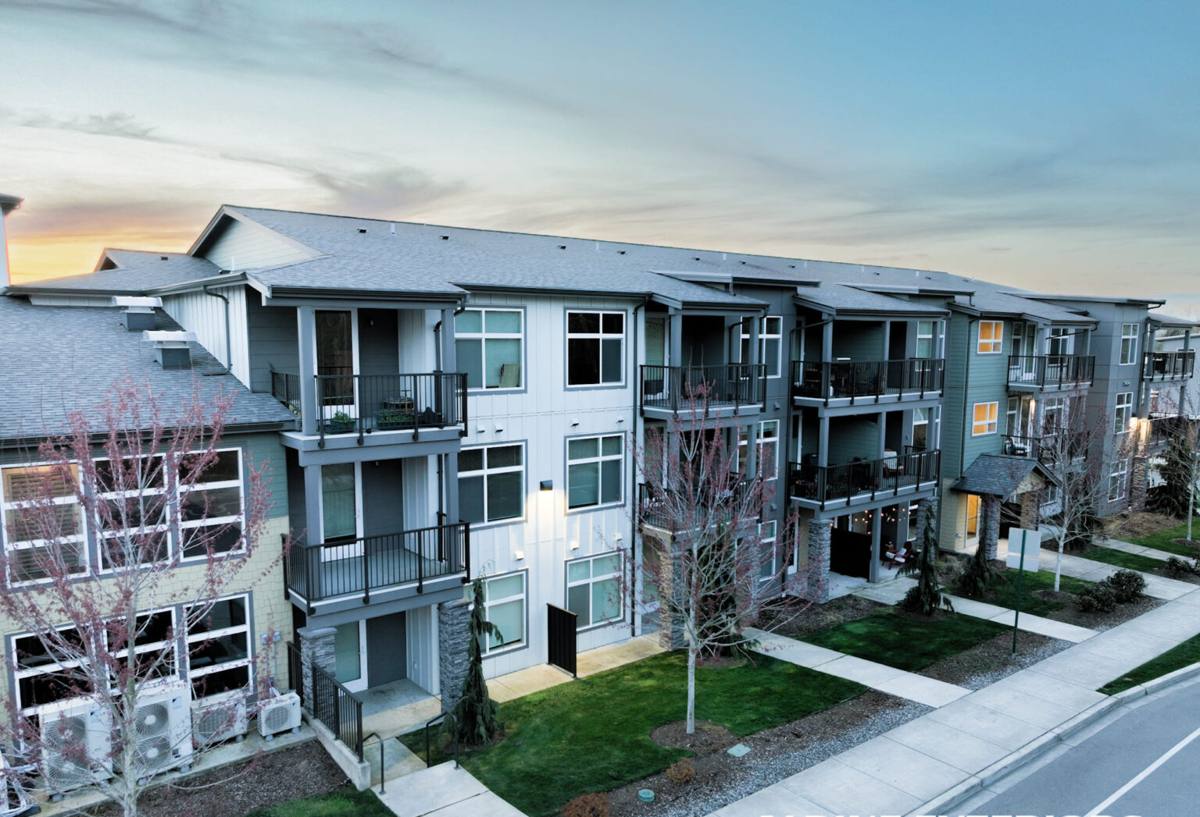
What Salt Air, Rain, and Moss Actually Do to Siding
Salt Air
Homes closer to Bellingham Bay and the Salish Sea shoreline take on airborne salt that settles on exterior surfaces. Over time this accelerates corrosion of exposed metal fasteners and trim, and it can degrade paint films and less stable siding substrates faster than the same product would wear a few miles inland.
Driving Rain
Wind-driven rain doesn't just fall on a wall — it gets pushed sideways into laps, seams, corners, and penetrations (hose bibs, light fixtures, vents). Any installation with undersized overlaps, poor caulking at trim joints, or missing flashing above windows and doors will eventually let water behind the siding rather than off of it.
Moss and Sustained Dampness
Shaded siding that stays damp for days at a stretch is where moss, algae, and mildew take hold. Beyond the appearance issue, sustained moisture against a wood-based or improperly sealed product is what drives swelling, delamination, and rot at cut edges and butt joints over the years.
Why We Install Only James Hardie Fiber Cement
We standardized on James Hardie fiber cement siding for every job we take on in Bellingham and the rest of Whatcom County, and we don't install vinyl, LP SmartSide, primed spruce, cedar, or other fiber cement brands. That's not a marketing position — it's a practical one, based on what actually holds up against the conditions described above.
Fiber cement is non-combustible and dimensionally stable, meaning it doesn't swell, warp, or delaminate the way wood-based products can when they take on repeated moisture. Hardie's HZ5 product line is specifically engineered for climates like ours — colder, wetter, and more freeze-thaw prone than the HZ10 line built for hot, humid southern climates. The factory-applied ColorPlus finish is baked on under controlled conditions, which gives it better adhesion and color retention against salt air and UV exposure than field-applied paint, and it comes with its own finish warranty separate from the substrate warranty.
We're not going to tell you every other product on the market is junk — plenty of them have legitimate uses elsewhere. But for Bellingham's specific mix of salt exposure, driving rain, and long damp stretches, we've made fiber cement installed to Hardie's published specifications our standard, and we stand behind that standard on every house we side.
What Correct Installation Involves
The material is only half the equation. A Hardie board installed loosely, without proper flashing, or with the wrong fastening pattern will still fail early in this climate — the failures just show up as installation problems instead of product problems. Correct installation in Bellingham means:
| Installation Detail | Why It Matters Here |
|---|---|
| Weather-resistive barrier behind the siding | Provides a secondary drainage plane if wind-driven rain gets past the siding face |
| Rainscreen or drainage gap | Lets any moisture that does get behind the siding drain and dry instead of sitting against the wall sheathing |
| Correct flashing at windows, doors, and roof lines | The most common entry point for driving rain on any home in this climate |
| Proper fastener type, spacing, and depth | Under- or over-driven fasteners crack boards or leave gaps that trap water; corrosion-resistant fasteners matter more this close to salt air |
| Manufacturer-specified clearances at grade and roofline | Keeps siding out of standing water and away from constant roof runoff, both common on shaded, sloped Bellingham lots |
| Sealed and caulked joints per Hardie spec | Butt joints and trim seams are where most fiber cement failures actually originate when skipped or done loosely |
Every one of those details is spelled out in James Hardie's installation manual, and every one of them is also the kind of thing that's invisible once the job is finished and painted. That's exactly why it matters who's doing the installing.
Our Process for a Bellingham Siding Installation
We approach every siding replacement or new installation in Bellingham the same methodical way:
- On-site assessment: We look at exposure — how much direct salt air, sun, and driving rain the specific walls of your home actually take — and check the current condition of sheathing and framing once old siding is off.
- Moisture barrier and drainage plane: We install or verify a proper weather-resistive barrier and drainage gap before a single piece of siding goes up, regardless of what was there before.
- Flashing first: Windows, doors, and any wall penetrations get flashed correctly before siding closes around them — this is the step that's easiest to shortcut and most expensive to fix later.
- Hardie installation to spec: Boards, fasteners, gaps, and joints follow James Hardie's published installation guidelines, not a generic "close enough" approach.
- Trim, caulking, and finish detailing: Corners, butt joints, and transitions get sealed properly so water sheds instead of collecting.
- Final walkthrough: We go over the finished work with you, including what maintenance (if any) to expect given your home's specific sun and moisture exposure.
What Affects Cost on a Bellingham Job
We don't post fake numbers, but the same factors drive cost on nearly every siding installation in this area, and it's worth understanding them before you get quotes:
| Factor | How It Affects the Job |
|---|---|
| Tear-off vs. new construction | Removing and disposing of existing siding, and repairing any sheathing damage found underneath, adds labor and sometimes material cost |
| Home size and wall complexity | More corners, dormers, and trim details mean more cutting, fitting, and flashing work |
| Siding profile and finish | Lap width, texture, and ColorPlus finish selection all affect material pricing within the Hardie product line |
| Existing moisture or rot damage | Discovered sheathing or framing damage behind old siding needs to be repaired before new siding goes up |
| Access and site conditions | Steep lots, tight setbacks, and shaded/wet job sites common around Bellingham can affect scheduling and staging |
The only way to get real numbers is a walk-through of your specific home, which is exactly what we offer.
Choosing a Contractor for the Job
Because so much of what makes a siding job last is invisible once it's finished, who you hire matters as much as what product you choose. Before signing with anyone for a Bellingham siding installation, it's worth checking:
- Are they a James Hardie-focused installer, or do they install whatever's cheapest that week?
- Do they talk specifically about flashing, drainage gaps, and weather barriers, or just about the finished look?
- Can they explain how they handle your home's specific exposure — sun, wind, rain direction, proximity to the water?
- Are they licensed and insured in Washington, and willing to put that in writing?
- Do they offer a real warranty on labor, separate from the manufacturer's material warranty?
- Have they worked on homes in this specific climate, not just siding in general?
A contractor who's worked Bellingham and the surrounding Whatcom County area repeatedly has already seen what happens when flashing is skipped or drainage gaps are skimped on — usually because they've been called back to fix someone else's shortcut. That kind of local, repeat exposure to this exact climate is worth more than a lower bid from a crew that mostly works drier inland jobs.
Living With Hardie Siding in Bellingham
Correctly installed James Hardie siding is low-maintenance, not zero-maintenance. In this climate, that generally means an occasional gentle wash to keep moss and algae from taking hold on shaded walls, keeping gutters and downspouts clear so runoff doesn't pool against the siding, and a visual check after major wind storms for any loose trim or caulking that may need attention. None of that is heavy upkeep — it's the same basic care any exterior surface needs near the water, and it's a lot less than what wood siding demands in this climate.
If you're planning a siding replacement or new installation in Bellingham, we're happy to walk your property, look at your specific exposure, and give you a straight assessment of what the job actually needs. Reach out for a free, no-pressure estimate using the form below.