 Fairhaven Siding
 Siding Installation for the Bow Area
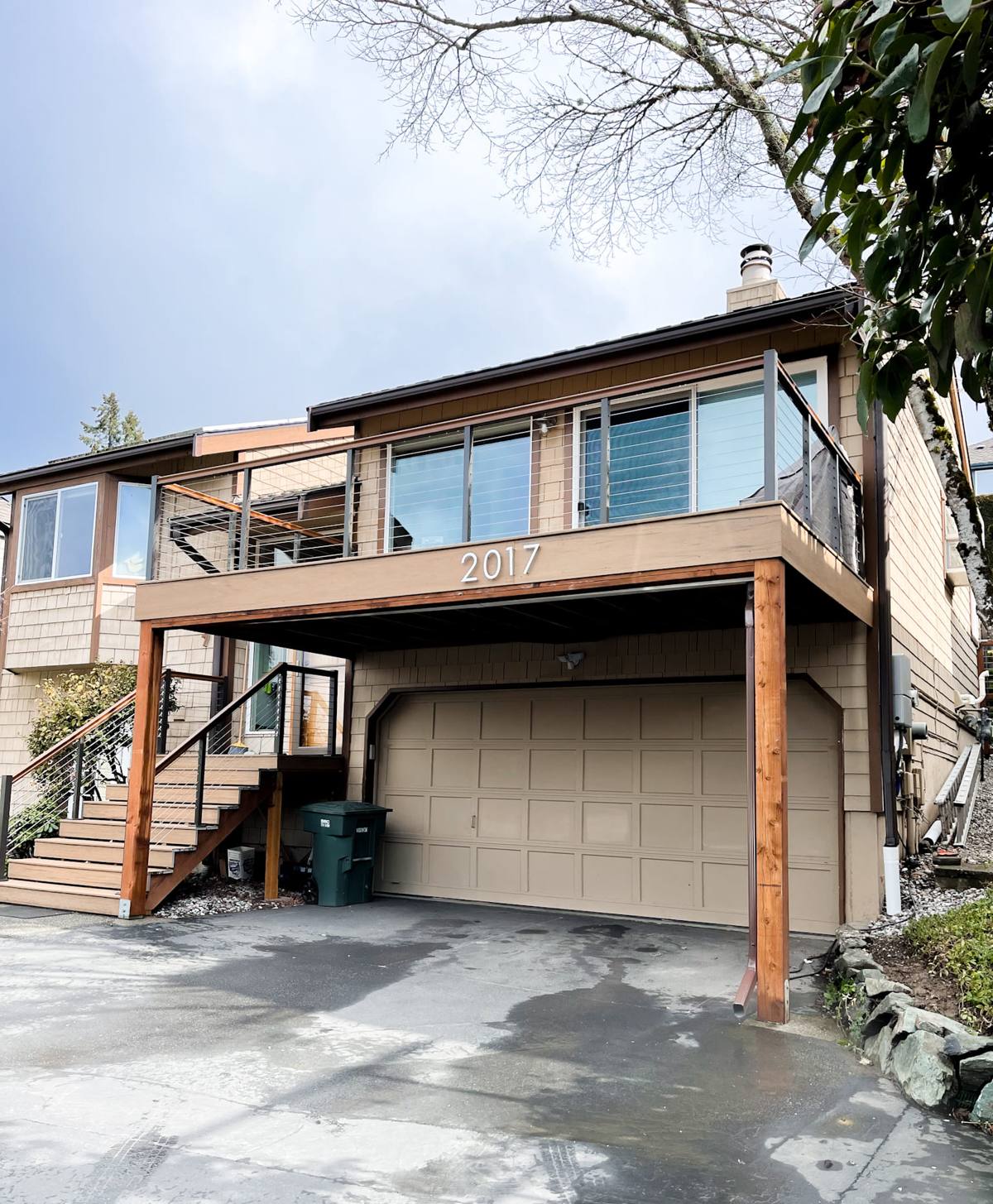
Bow sits along the water south of Fairhaven and Bellingham, in the wooded, low-lying country where the Salish Sea meets the foothills. It's a beautiful place to own a home, and a hard place to own siding. Homes here take a steady diet of salt-laden air off the bay, driving rain that comes in sideways off the water, and long stretches of shade and moisture that keep moss and algae growing on north and west walls almost year-round. Siding that would hold up fine in a drier inland town starts showing its age here in half the time.
We install siding for homeowners throughout this stretch of the coast, and Bow properties get the same attention as anywhere else we work: correct prep, correct flashing, correct fastening, and one product line that we trust to actually perform in this climate over the long haul.
What Bow's Climate Actually Does to Siding
Salt Air
Even a mile or two inland from Samish Bay, airborne salt settles on exterior surfaces and accelerates corrosion of fasteners, trim edges, and any metal flashing that isn't rated for coastal exposure. Cheap or mismatched fasteners are one of the most common failure points we find when we tear off old siding in this area — the siding itself may look fine, but the nails holding it on have been quietly rusting for a decade.
Driving Rain
Storms off the water don't just fall straight down — wind-driven rain gets pushed sideways into wall assemblies, seams, and butt joints. Any installation that relies on caulk alone to keep water out, rather than proper lap, flashing, and drainage behind the cladding, is going to leak eventually. It's a matter of when, not if.
Moss and Sustained Moisture
Tree cover and a marine climate mean long stretches where siding stays damp, especially on shaded elevations. That constant moisture feeds moss and algae growth, and on organic siding materials — wood, or engineered wood products with wood fiber — it also feeds rot at the fiber level, not just on the surface.
What Correct Installation Actually Involves
A siding job looks similar from the curb whether it was done right or done fast. The difference shows up five, ten, or fifteen years later, and it comes down to what's happening underneath the visible surface.
- Full tear-off and sheathing inspection — we don't install over rot or hidden water damage; it gets found and fixed first, not covered up.
- Weather-resistive barrier installed correctly — properly lapped and sealed so water sheds down and out, not into the wall.
- Flashing at every penetration — windows, doors, vents, and any roof-to-wall intersection, using materials rated for coastal salt exposure.
- Correct fastener type, spacing, and depth — matched to the manufacturer's specification, not whatever's fastest.
- Proper clearances — siding held up off decks, grade, and roofing so it isn't sitting in standing water or trapped moisture.
- Caulking used as a backup, not a fix — sealant supplements good flashing and lap work, it doesn't replace it.
Skip any one of these and the siding can still look good on install day. It just won't stay that way.
Why We Install Only James Hardie Fiber Cement
We made a decision a while back to stop installing every product a homeowner might ask for, and instead install one system we can stand behind in this climate: James Hardie fiber cement. That means we don't install vinyl, LP SmartSide, Cemplank, Allura, primed spruce, or cedar. Each of those products has a legitimate place in the market and some genuine strengths — this isn't about calling them junk. It's about what we've seen hold up, and not hold up, in exactly the conditions Bow deals with.
The short version
Vinyl is affordable and low-maintenance, but it's a thin, flexible plastic product that can warp in temperature swings, crack in cold snaps, and fade over time — and it isn't fire-resistant. Wood products, whether it's cedar, primed spruce, or wood-fiber-based engineered siding, offer a natural look but are organic materials in a climate that stays damp for months at a time; even with good maintenance, moisture-driven rot and repainting cycles are part of the deal. Fiber cement alternatives to Hardie compete on price but don't carry the same factory finish warranty or the region-specific engineering Hardie builds into its HZ product lines.
Fiber cement itself — the category Hardie pioneered — is a mix of cement, sand, and cellulose fiber. It's non-combustible, dimensionally stable, and doesn't feed moss or rot the way wood-based products can. That's a meaningful advantage in a climate where siding sits wet more often than it sits dry.
Material Comparison for This Climate
| Material | Salt Air / Moisture Behavior | Moss & Algae Resistance | Maintenance Burden |
|---|---|---|---|
| James Hardie fiber cement | Non-combustible, dimensionally stable, engineered HZ formulations for wet climates | Doesn't feed organic growth like wood fiber does | Occasional wash; factory finish holds color for years |
| Vinyl | Can warp/deform with temperature swings; seams are a water path | Surface growth still occurs, especially in shaded areas | Low, but limited repair options if damaged |
| Cedar / primed spruce | Organic material, absorbs and releases moisture constantly | Actively feeds moss, algae, and rot over time | Regular refinishing/repainting and moisture monitoring |
| Wood-fiber engineered siding (e.g., LP SmartSide) | Treated to resist moisture, but still wood-based at the core | Better than untreated wood, still organic material | Edge sealing and paint maintenance matter more here |
James Hardie Product Details Relevant to Bow
James Hardie engineers its siding by climate zone (HZ5 and HZ10 designations exist specifically because Seattle rain isn't Phoenix rain isn't Miami humidity). For this stretch of coastline, that means product formulated for sustained moisture exposure, not a one-size-fits-all national spec. The ColorPlus factory finish process bakes color onto the board under controlled conditions before it ever reaches the job site, which matters here specifically because it resists fading and holds up better against the kind of grime and mildew that marine air and shade encourage. It also comes with a longer color-specific warranty than field-applied paint can offer, because the finish isn't dependent on weather conditions on install day.
Hardie's plank, shingle, and panel lines also give homeowners real style options — lap siding, shingle-style accents, board-and-batten — without giving up the underlying material performance. That flexibility matters in a community like Bow where homes range from older farmhouse-style properties to newer builds.
Our Installation Process
- On-site assessment — we look at existing siding, sheathing condition, moisture history, and elevation-by-elevation exposure (north/west walls usually need the most attention here).
- Written scope and product selection — plank, shingle, or panel profile and ColorPlus color, based on the home and your preference.
- Tear-off and sheathing repair — any hidden rot or damage gets addressed before anything new goes up.
- Weather barrier and flashing — installed and lapped correctly, with extra attention around windows, doors, and roof intersections.
- Hardie installation to manufacturer spec — correct fasteners, spacing, clearances, and joint treatment.
- Final walkthrough — we review the finished work with you before we consider the job done.
Signs Bow Homeowners Should Watch For
Because of the moisture load here, siding problems tend to show up earlier and more visibly than they would inland. Worth checking for:
- Persistent moss or algae staining that comes right back after washing
- Soft spots, bubbling, or visible warping, especially on shaded or north-facing walls
- Rust streaking near fastener heads or trim edges
- Paint that's failing faster than expected, or chalking heavily
- Gaps at seams, corners, or trim where caulk has pulled away
- Any soft or spongy feel to sheathing behind vents, spigots, or old penetrations
None of these mean the whole house needs new siding tomorrow, but they're worth a look before small problems turn into sheathing repairs.
Why a Crew That Already Works Bow Matters
Siding installation isn't just about the product — it's about knowing how a specific piece of coastline behaves. A crew that regularly works this area already knows which elevations take the worst weather, how much moss pressure to expect on shaded walls, and what kind of moisture damage tends to hide behind older siding in homes built decades apart in style and age. That's not something you get from a national install crew passing through once. It shows up in the details: where extra flashing gets added even though it's not strictly required, which corners get watched a little closer, and which fastener spec actually holds up against salt air instead of just meeting a minimum code requirement.
Caring for Hardie Siding in Bow's Climate
- Rinse siding annually, focusing on shaded north and west walls where moss builds up fastest
- Keep gutters clear so water isn't sheeting down wall surfaces
- Trim back vegetation and tree cover that keeps siding damp and shaded longer than necessary
- Recaulk trim joints if you notice separation, rather than waiting for a leak to show up inside
- Watch fastener heads and metal trim for early rust signs, especially closer to the water
Hardie siding installed to spec needs far less of this than wood ever did, but no siding in this climate is truly zero-maintenance.
Get a Straight Answer for Your Home
If you're dealing with aging siding in Bow, or planning ahead before moss and moisture turn into a bigger repair, we're happy to take a look and give you an honest read on what your home actually needs. There's no pressure and no pushy sales pitch — just a straightforward estimate from a crew that knows this stretch of coastline. Use the form below to get started.