 Fairhaven Siding
 Why Chuckanut Roofs Wear Differently
Chuckanut sits where thick evergreen canopy, steep wooded terrain, and open water all meet, and that combination is hard on a roof. Homes here deal with three things at once that a lot of inland Whatcom County properties don't see nearly as much of: salt-laden air off the water, driving rain that comes in sideways during winter storms, and a moss season that can stretch most of the year under the tree cover. A roof built for a dry, sunny climate simply isn't built for this one.
None of these conditions are dealbreakers on their own. The problem is when a roof is installed without accounting for them — using the wrong fastener metal, skipping extra flashing detail, or ignoring airflow under the deck. Those shortcuts don't usually fail in year one. They fail in year eight or ten, quietly, as rot, rust, or lifted shingles that could have been avoided with the right install the first time.
Salt Air and Corrosion
Even a mile or two inland from Chuckanut Bay, airborne salt settles on roofing metal — flashing, fasteners, vents, and gutter hardware — and speeds up corrosion. Standard electro-galvanized nails and off-the-shelf aluminum trim can start showing rust streaks or pitting years before they would in a drier, saltier-air-free area. It's a slow process, but it's constant, and it's one of the first things we account for when we plan a roof for this area.
Driving Rain
Storms coming off the water tend to push rain sideways rather than straight down, which means water gets tested against every seam, lap, and penetration on a roof, not just the open field of shingles. Roofs that rely only on standard shingle overlap without proper underlayment and flashing depth can let wind-driven rain work its way underneath, especially at valleys, walls, and low-slope transitions.
The Long Moss Season
Dense tree cover keeps parts of many Chuckanut roofs shaded and damp for long stretches of the year, which is exactly what moss needs to take hold. Moss holds moisture against the roofing surface, works into shingle laps, and — left long enough — lifts edges and shortens the life of the material underneath it. A new roof installed without moss in mind is starting the clock on a maintenance problem before the first winter is even over.
What a Correctly Installed Roof Needs to Handle These Conditions
A new roof installation here is more than laying shingles in straight rows. The parts you don't see — underlayment, flashing, ventilation — do most of the work of keeping salt air, rain, and moisture from ever becoming a problem.
Underlayment and Water Barrier
We use a synthetic underlayment across the full roof deck as the primary water barrier, with self-adhered ice-and-water membrane at the vulnerable spots — eaves, valleys, around chimneys and skylights, and any low-slope section. That membrane matters more here than in a lot of climates, because it's the backup layer that catches wind-driven rain if it ever gets past the shingles themselves.
Flashing at Valleys, Chimneys, and Skylights
Flashing is where most roof leaks actually start, and it's where salt air does the most damage if the wrong metal is used. We spec corrosion-resistant flashing — not the thinnest, cheapest stock — at every valley, wall intersection, chimney, and skylight, with step flashing woven correctly into the shingle courses rather than just caulked over the top. Caulk is a maintenance item, not a waterproofing plan.
Ventilation That Actually Works
Balanced intake and exhaust ventilation keeps the underside of the roof deck dry and close to outdoor temperature. That matters for two reasons in Chuckanut: it reduces the condensation that can rot decking from underneath, and it keeps the roof surface from staying warm and damp in a way that encourages moss and algae growth. A roof that can't breathe properly works against you no matter how good the shingles are.
Choosing a Roofing Material for Chuckanut Conditions
There's no single "right" material for every home — slope, budget, tree cover, and how the house looks all factor in. But some materials handle salt air, rain, and moss noticeably better than others, and that's worth weighing honestly before you decide.
| Material | Moss Resistance | Salt Air Durability | Typical Lifespan |
|---|---|---|---|
| Standard 3-tab asphalt shingle | Fair — needs regular treatment | Fair; hardware corrodes faster | 15–20 years |
| Architectural (dimensional) shingle | Good, especially algae-resistant lines | Good with proper flashing/fasteners | 25–30 years |
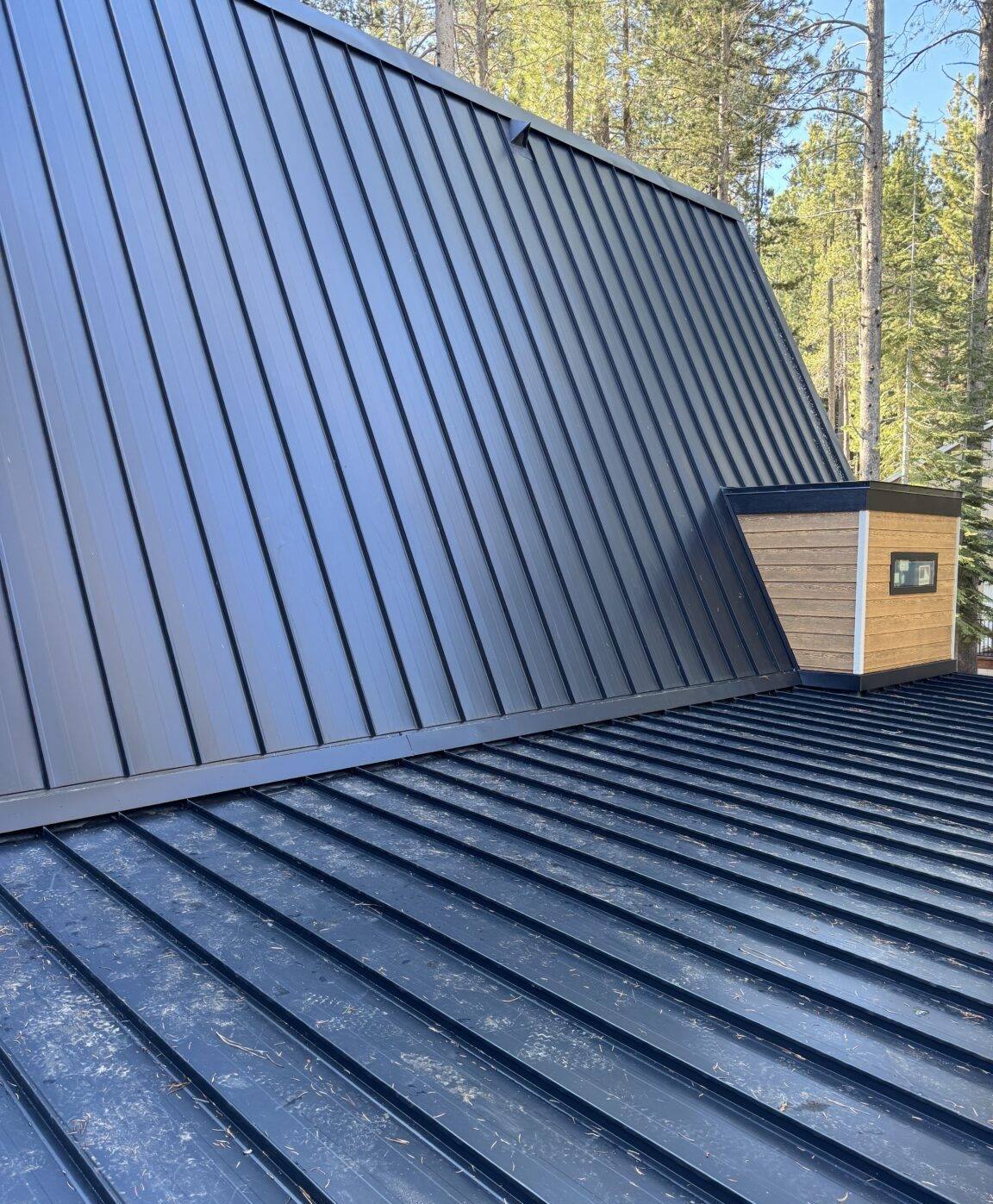
| Standing seam metal | Very good — sheds moisture, little to grip | Excellent with coated/marine-grade fasteners | 40–50+ years |
| Cedar shake | Poor without diligent upkeep — traps moisture | Fair; needs treated fasteners | 20–30 years with upkeep |
Architectural shingles with algae-resistant granules are a solid, cost-effective middle ground for most Chuckanut homes. Standing seam metal costs more up front but sheds moss and handles the wet, salty air about as well as any roofing material available, which is why we see more homeowners in shaded, water-adjacent lots asking about it. Cedar shake can look great here, but we're upfront that it's the highest-maintenance option in a climate that already grows moss well — it's a legitimate choice, just one that needs a realistic maintenance commitment behind it.
Our New Roof Installation Process
- Inspection and assessment — we look at the existing roof, deck condition, ventilation, and any moss or moisture damage before quoting anything.
- Material selection — we walk through the honest trade-offs between shingle types and metal roofing for your specific roof and budget.
- Tear-off — full removal of the old roofing down to the deck, so we can actually see and fix what's underneath rather than covering it up.
- Deck repair — any soft, rotted, or moss-damaged decking is replaced before anything new goes down.
- Underlayment and ice/water membrane — installed per the details above, with extra attention at valleys and eaves.
- Flashing — corrosion-resistant flashing installed and woven at every penetration and transition.
- Roofing material installation — shingles or metal panels installed to manufacturer spec, with fastener spacing and nailing patterns rated for coastal wind exposure.
- Ventilation check — intake and exhaust venting confirmed balanced for the finished roof.
- Final walkthrough — cleanup, gutter check, and a walk-through so you know what maintenance, if any, to expect going forward.
Signs Your Chuckanut Roof Is Due for Replacement
Not every roof problem means a full replacement, but these are the signs worth taking seriously, especially on a roof that's spent years under tree cover or close to the water:
- Moss or algae growth that keeps coming back within months of cleaning
- Granules collecting in gutters or at downspout outlets
- Shingles that are curling, cupping, or missing tabs
- Rust staining around flashing, vents, or valleys
- Daylight visible through the roof deck from the attic
- Soft or spongy spots when walking the roof
- Interior water stains on ceilings after heavy, wind-driven rain
- A roof approaching or past 20–25 years old, especially if it's never been re-flashed
What Affects the Cost of a New Roof Installation
Every roof is priced differently, but the main variables tend to be the same. Roof size and slope drive labor time. Material choice — architectural shingle versus standing seam metal, for example — is usually the single biggest swing in total cost. How much of the deck needs replacing, how complex the roofline is (valleys, dormers, skylights), and how much tree trimming or access work is needed before the crew can safely work all factor in as well. We give a written estimate that breaks these out rather than one flat number, so you can see what you're actually paying for.
Keeping a New Roof Healthy Through Moss Season
A properly installed roof with algae-resistant materials and good ventilation will resist moss far longer than an older roof, but "resist" isn't "immune" under this much tree cover. A yearly check — clearing debris from valleys, keeping gutters flowing, and trimming back branches that shade the roof — does more to extend a roof's life here than almost anything else. Pressure washing shingles is not something we recommend; it strips granules and shortens the roof's life faster than the moss itself would.
Why Hire a Crew That Already Works in Chuckanut
Roofing crews who mostly work drier, more open parts of Whatcom County don't always plan for the realities of a heavily wooded, water-adjacent property — tight or sloped access, staging materials around mature trees, or timing a tear-off around a run of driving rain. A crew that already works Chuckanut regularly knows how these lots typically sit, what the weather is likely to do mid-project, and which flashing and fastener details actually hold up here rather than just on paper. That experience shows up less in the sales pitch and more in how the roof performs five and ten years down the road.
If you're weighing a new roof for a Chuckanut home, we're glad to take a look and give you a straightforward, no-pressure estimate — fill out the form below and we'll get back to you.