 Fairhaven Siding
 Why Composite Decking Fits Downtown Bellingham
Downtown Bellingham sits close enough to Bellingham Bay that salt-laden air, driving rain off the water, and a long stretch of wet, shaded months are just part of owning a home here. A deck built for a drier climate, or built without local conditions in mind, tends to show its age fast in this part of Whatcom County. Composite decking, installed correctly, is one of the more forgiving choices for this environment because it doesn't absorb water the way solid wood does and doesn't need refinishing to keep looking decent.
This page is about one job in one area: composite deck installation and replacement for homes in and around Downtown Bellingham. Our crew works out of Fairhaven, a few minutes down the waterfront, and we build decks on this stretch of coastline regularly enough to know what actually fails here and what holds up.
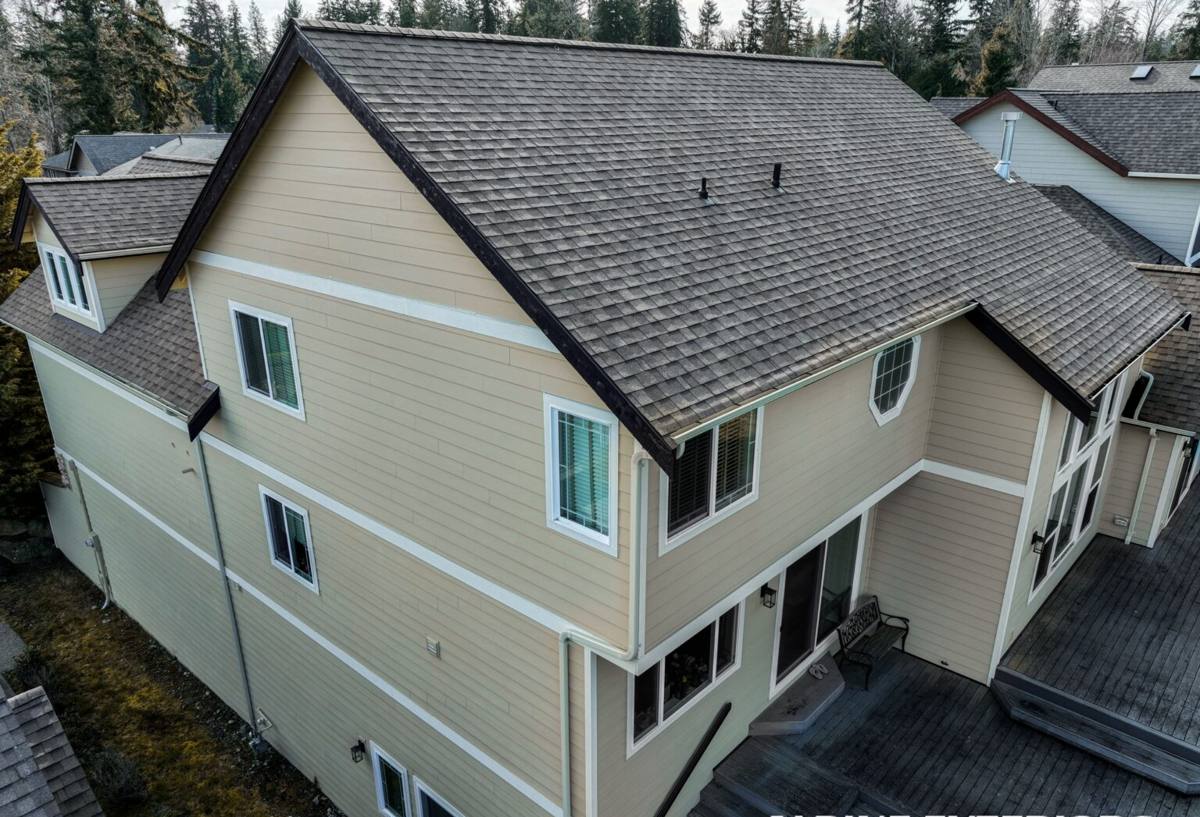
What Bellingham Weather Does to a Deck
Salt Air and Metal Fasteners
Homes closer to the water deal with a fine salt mist that settles on everything outdoors, including deck hardware. Standard fasteners and lower-grade brackets corrode faster near the bay than they would inland. This doesn't ruin composite boards themselves, but it does mean the hidden hardware, screws, and structural connectors underneath need to be rated for coastal or marine-grade exposure, not just "outdoor use."
Driving Rain and Moisture Traps
Storms coming off the water often bring rain sideways, not straight down. That means water gets pushed under railings, into board gaps, and against the house where the deck ledger attaches. A deck that isn't sloped and flashed correctly at that ledger connection will eventually let water into the wall framing behind it, which is a much bigger repair than the deck itself.
Moss, Algae, and Slip Risk
Whatcom County's wet season runs long, and shaded decks under trees or on the north side of a house can stay damp for days at a time. That's exactly the environment moss and algae need. On a wood deck, moss roots into the grain and holds moisture against the board. On a composite deck, moss and algae mostly grow on the surface, which makes them easier to remove, but a deck with poor drainage or airflow underneath will still grow it if it's never cleaned.
Composite, Wood, or PVC: What Actually Holds Up Here
Every decking material has trade-offs. For a Downtown Bellingham home, the deciding factors are usually moisture behavior, how much upkeep you're willing to do, and how the material handles years of shade and rain.
| Material | Moisture Behavior | Moss/Algae Resistance | Maintenance | Typical Lifespan |
|---|---|---|---|---|
| Natural Wood (cedar, fir) | Absorbs water, swells and checks over time | Grows into the grain, harder to fully remove | Annual cleaning, periodic sealing or staining | 10-15 years before major repairs |
| Capped Composite | Moisture-resistant outer cap, core doesn't rot | Grows on the surface only, washes off | Occasional wash, no sealing or staining | 25-30+ years, brand-dependent warranty |
| PVC / Cellular PVC | Fully synthetic, essentially waterproof | Very low, though still needs occasional cleaning | Lowest maintenance of the three | Similar to or longer than composite |
We install composite most often on Downtown Bellingham homes because it strikes a workable balance: it handles this climate well and costs less upfront than full PVC systems, without the ongoing sealing and staining that wood demands. That said, PVC is a reasonable option for homeowners who want the lowest possible maintenance and are comfortable with the added cost, and we're glad to walk through both during an estimate rather than push one product by default.
What a Correctly Installed Composite Deck Involves
Composite boards are only as good as what's underneath them. Most of the composite deck failures we get called out to inspect in Whatcom County trace back to the substructure or installation details, not the decking material itself.
- Ledger flashing: a proper metal flashing system where the deck meets the house, so driving rain can't work its way behind the siding.
- Joist protection: tape or a moisture barrier over the top of each joist so standing water doesn't sit against untreated wood framing.
- Drainage slope: the deck surface pitched slightly away from the house, not flat, so rainwater actually runs off instead of pooling.
- Hidden fastener systems: composite boards clipped from below rather than face-screwed, which keeps water from collecting in screw holes and keeps the surface looking clean.
- Coastal-rated hardware: brackets, screws, and joist hangers rated for the salt exposure this area sees, especially on decks with a bay view or ocean-facing side.
- Ventilation underneath: enough clearance and airflow below the deck so the framing can dry out between storms instead of staying damp all winter.
Skipping any one of these doesn't show up on day one. It shows up two or three wet seasons later, as soft framing, a spongy step, or staining along the house wall.
Our Process for a Downtown Bellingham Deck Project
- On-site visit and measure: we look at the existing deck or build site, check the ledger and framing condition, and talk through what you actually use the space for.
- Material and layout selection: we go over composite board options, colors, railing styles, and any picture-frame or border detailing, matched to your budget.
- Permitting: if the project requires a permit through the City of Bellingham, we handle that step as part of the job rather than leaving it to you.
- Demo and structural check: removal of the old deck if there is one, with an honest look at the ledger, posts, and footings before anything new goes up.
- Build: framing, flashing, joist protection, and composite decking installed with the local climate details above, not skipped for speed.
- Final walkthrough: we go over the finished deck with you, including basic care, before calling the job done.
Keeping Moss and Mildew Off a Composite Deck
Composite decking doesn't need staining or sealing, but it isn't zero-maintenance in a climate like this. A little seasonal attention keeps moss from getting a foothold, especially on shaded decks or ones near mature trees.
- Sweep leaves and debris off the deck regularly through fall, especially in corners and against the house, where organic material traps moisture.
- Rinse the deck with a garden hose every few weeks during the wet season to keep spores from settling in.
- Use a soft-bristle brush and a composite-safe cleaner for any moss or algae film, rather than a pressure washer on high pressure, which can damage the board's cap surface.
- Keep gutters and downspouts near the deck clear, since overflow dumping directly onto or near the deck accelerates moss growth in that spot.
- Check that furniture and planters aren't sitting directly on the boards for months at a time, which blocks airflow and traps moisture underneath them.
Cost Factors for a Downtown Bellingham Composite Deck
Composite decking costs more upfront than basic pressure-treated wood, but the honest comparison has to include the sealing, staining, and repair costs wood needs over the same years. What actually drives the price on a given project is more about the specifics of the job than the material alone.
| Factor | Why It Matters |
|---|---|
| Deck size and shape | More square footage and more angles or cutouts mean more material and labor |
| Height and railing requirements | Taller decks need code-compliant guardrails and often stairs, which add cost |
| Board pattern and trim | Diagonal layouts, picture-framing, and contrasting border boards take more time than a straight run |
| Old deck removal | Tearing out and hauling away an existing deck adds labor before the new build starts |
| Site access | Downtown lots with limited access or tight side yards can slow material staging and demo |
| Substructure condition | Rotten framing or undersized footings found during demo need to be corrected before decking goes on |
We give a firm, itemized quote after seeing the site in person rather than a ballpark over the phone, since a couple of these factors can move the number quite a bit either direction.
Why a Local Fairhaven Crew Matters for This Job
We're based in Fairhaven, not commuting in from out of town, which means we're on Downtown Bellingham job sites often enough to know how this particular stretch of Whatcom County weather behaves against a deck. That familiarity shows up in small decisions: which hardware grade to spec near the water, how much slope to build in for our rain patterns, and where moss tends to collect on shaded lots. It also means that if something needs a warranty check or a follow-up visit after the first wet winter, we're a short drive away, not a call center.
Older homes downtown often have decks that were added or rebuilt at different points over the years, sometimes without much attention to flashing or drainage. We've seen enough of those to know what to look for during the initial site visit, before a single board goes down.
If you're weighing a new composite deck or a replacement for a tired one in Downtown Bellingham, we're happy to come take a look, measure the space, and walk you through honest options. There's no pressure and no cost for the estimate — just a straight answer on what your project would involve.