 Fairhaven Siding
 Deck Replacement in Lummi Island
Lummi Island sits out in the salt water off Whatcom County, and that location is exactly what makes decks here age differently than decks twenty miles inland. Between the salt-laden air coming off the water, driving rain that hits from the water side of most homes, and a moss season that can run from fall well into spring, a deck on the island takes a beating most manufacturers never designed for. If your deck is soft underfoot, showing gapped or cupped boards, or you're patching the same spots every year, replacement is usually the more honest answer than another round of repairs.
We work throughout Fairhaven and the rest of Whatcom County, and Lummi Island jobs are a regular part of that work. We understand the logistics of getting a crew and materials to and from the island, and we build decks here the way the climate actually demands, not the way a generic spec sheet suggests.
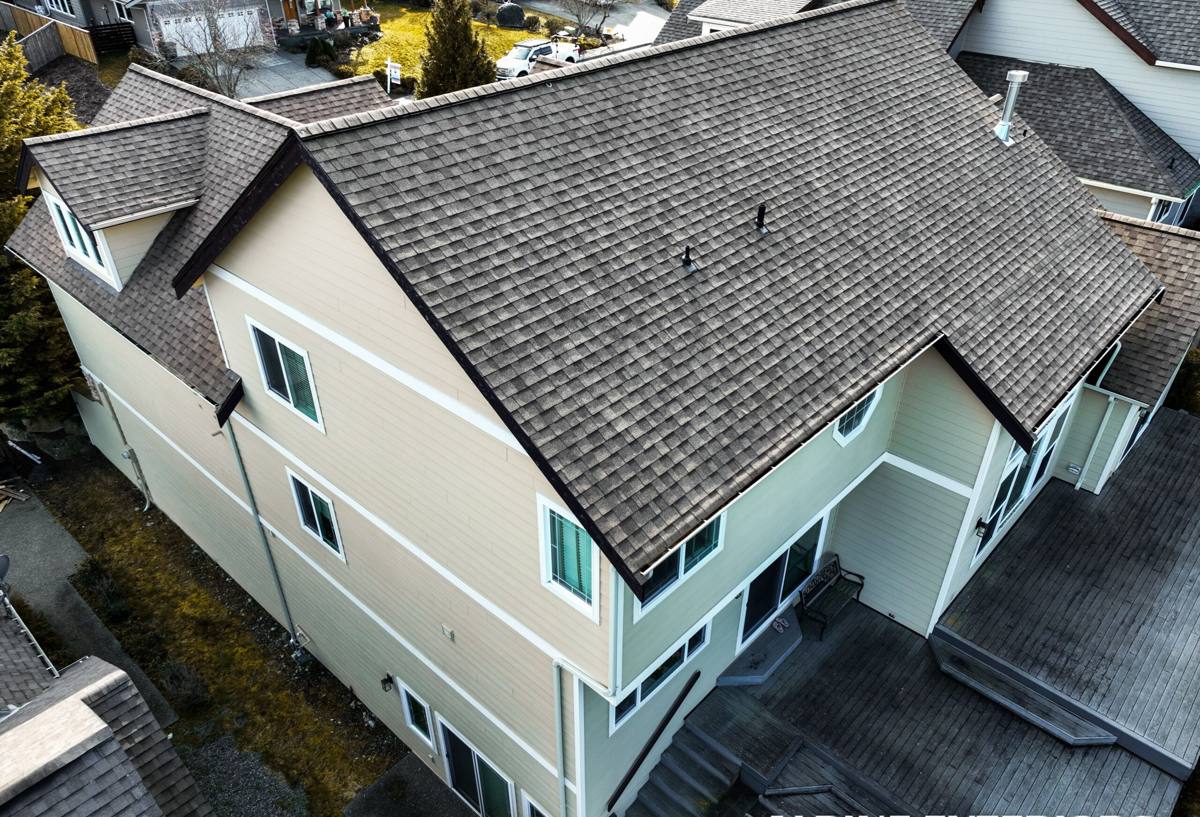
Why Lummi Island Decks Wear Out Faster
Salt Air
Airborne salt doesn't just sit on the surface of a deck — it works into fastener heads, hinges, and any exposed metal, accelerating corrosion well beyond what you'd see on a deck built the same year further inland. Once fasteners start rusting, they weep stains into the wood or composite around them and lose their grip, which is often the first real sign that a deck's hardware has failed even though the boards themselves still look okay.
Driving Rain
Storms off the water tend to drive rain sideways rather than straight down, which pushes moisture into joints, under railings, and behind ledger boards that a calmer climate would keep mostly dry. That sideways moisture is what causes rot to start at connection points — the ledger-to-house attachment, stair stringers, post bases — long before the decking itself looks bad.
Moss and Algae
A long, damp shoulder season means moss and algae get a real foothold on any horizontal wood surface that doesn't dry out quickly. Beyond making boards slick and unsafe, moss holds moisture against the wood constantly, which is a slower but steadier path to rot than a single hard rain.
Signs You Need Replacement, Not Another Repair
Repairs make sense when the problem is isolated. Replacement makes sense when the structure itself has been compromised. Walk your deck and check for these:
- Boards that feel spongy or flex noticeably when you step on them
- Visible gaps opening between boards, or boards that have cupped or crowned
- Rust streaks bleeding from screw heads or nail heads
- Soft or discolored wood at the ledger board where the deck meets the house
- Railing posts that wobble when pushed
- Persistent moss or dark staining that comes back within weeks of cleaning
- A deck more than 15-20 years old that has never had major structural work
If you're only seeing one or two of these and the framing underneath is solid, a repair or partial re-decking may still be reasonable. If several show up together, especially anything at the ledger or posts, that's usually a structural issue, and replacement is the more responsible fix.
Choosing a Decking Material for This Climate
There's no single "best" decking material — there's a best fit for your budget, how much upkeep you want to do, and how close you are to the water. Here's how the common options compare for a marine-exposed site like Lummi Island:
| Material | How it handles salt air & moisture | Maintenance | Typical lifespan |
|---|---|---|---|
| Pressure-treated wood | Needs sealing and upkeep to resist moisture; fasteners must be corrosion-rated | Annual cleaning, periodic sealing/staining | 10-15 years before major issues |
| Cedar | Naturally rot- and insect-resistant, but still absorbs moisture without finish | Regular oiling/staining to hold color and shed water | 15-20 years with upkeep |
| Composite decking | Doesn't absorb water or rot, but low-quality composites can still trap moisture at end grain | Occasional washing, no sealing or staining | 25-30 years, backed by manufacturer warranty |
| PVC/capped polymer | Fully sealed surface resists salt staining and moisture intrusion best of the group | Minimal — soap and water | 25-30+ years |
We're upfront that we lean toward composite or capped polymer decking for waterfront and near-waterfront homes on the island. It's not that wood is a bad product — it's that wood in this specific climate demands a maintenance schedule most homeowners don't actually keep up with, and the cost of that neglect is exactly the rot and fastener failure we described above. If you want the look and feel of real wood and are committed to the upkeep, we'll build that too — we just want you to go in with the full picture.
What a Correct Deck Replacement Involves
A deck replacement that actually holds up here isn't just pulling old boards and screwing down new ones. The parts you don't see matter more than the parts you do:
Ledger and Flashing
The ledger board attachment to the house is the single most common failure point on any deck, and it's the connection most exposed to driving rain. Proper flashing — installed correctly, not just caulked — is what keeps water from tracking behind the ledger and into your home's framing.
Framing and Fasteners
Joists, beams, and posts get inspected and replaced where needed, not just built around. In a salt-air environment, we use corrosion-resistant, rated fasteners and connectors throughout — this is a place where cutting corners on hardware shows up as rust stains and loose boards within a couple of years.
Footings and Posts
Post bases get set to keep wood off standing water and away from constant ground moisture, which matters more here given how much rain the island sees through the wet months.
Board Installation
Proper spacing for drainage and seasonal movement, hidden or corrosion-rated fastening depending on material, and attention to end grain sealing on any cut boards — all details that prevent the early failures we see on decks that were built fast rather than built right.
Our Process for Lummi Island Deck Replacement
- On-site assessment — we walk the existing deck, check the framing and ledger condition, and talk through what you actually use the space for.
- Plan and quote — a clear scope of work and written estimate, including material options and what each one means for maintenance and lifespan.
- Permitting — Whatcom County permitting requirements apply on the island the same as elsewhere in the county; we handle that process as part of the job.
- Removal — full tear-off of the old deck, with an honest look at the framing once it's exposed in case anything changes the scope.
- Build — framing, flashing, footings, and decking installed to hold up against this specific climate, not a generic spec.
- Final walkthrough — we go over the finished deck with you before we consider the job done.
What Affects the Cost
| Factor | Why it matters |
|---|---|
| Deck size and shape | More square footage and more corners/cuts increase material and labor |
| Material choice | Wood costs less upfront; composite and PVC cost more but reduce long-term maintenance |
| Height and stairs | Elevated decks and multi-flight stairs add framing, railing, and code requirements |
| Condition of existing framing | Rot found once old decking is removed can add scope |
| Site access on the island | Ferry scheduling and material delivery logistics factor into project timelines |
| Railing and guard requirements | Code-compliant railings for elevated or waterfront decks add cost |
We'll never guess at a number over the phone. Every quote comes from actually seeing the deck and the framing underneath it, because on a deck this old the framing condition usually drives the price more than anything else.
Why a Crew That Already Works Lummi Island Matters
Building on Lummi Island isn't the same as building in downtown Fairhaven. Getting a crew, tools, and a full load of decking material to and from the island means working around ferry schedules and planning delivery logistics ahead of time — something that's routine for a crew that already does this work here, and a source of delays and surprise costs for one that doesn't. We also know the Whatcom County permitting process that applies to island properties, and we build to the corrosion and moisture standards this specific environment actually requires, not the standards written for a dry inland lot.
Maintenance After Your New Deck Is In
Even the best material benefits from basic upkeep, especially this close to the water:
- Sweep and rinse off salt residue and debris a few times a year, more often near the water
- Clean moss and algae as soon as you see it, rather than waiting for it to spread
- Check railings and stair connections annually for any looseness
- For wood decks, keep to a sealing/staining schedule rather than letting finish wear through
- Keep gutters and downspouts clear so runoff isn't draining directly onto the deck
If you're weighing repair against replacement, or you just want an honest look at what your current deck needs, we're happy to come out and take a look. The estimate is free, there's no pressure, and you'll get a straight answer about whether replacement is actually necessary or whether a repair will hold you for a few more years.