 Fairhaven Siding
 Downtown Bellingham's Climate Is Rough on a Roof
A home in Downtown Bellingham sits close enough to the water that salt-laden air is part of daily life, even blocks away from Bellingham Bay. Add Whatcom County's driving rain — the kind that comes in sideways off the water during winter storms — and a long, damp moss season that can run eight months or more, and you've got a roofing environment that punishes anything not built for it. Asphalt shingles absorb moisture, hold onto moss, and break down faster under those conditions than they would inland. Metal roofing, installed correctly, handles all three stressors better than almost any other option available to homeowners here.
That last phrase matters: installed correctly. Metal roofing is unforgiving of shortcuts. A panel system that's fastened wrong, flashed poorly, or matched with the wrong hardware will corrode, leak, or loosen years before it should — sometimes faster than a well-installed asphalt roof would have failed. The material isn't the whole story; the installation is.
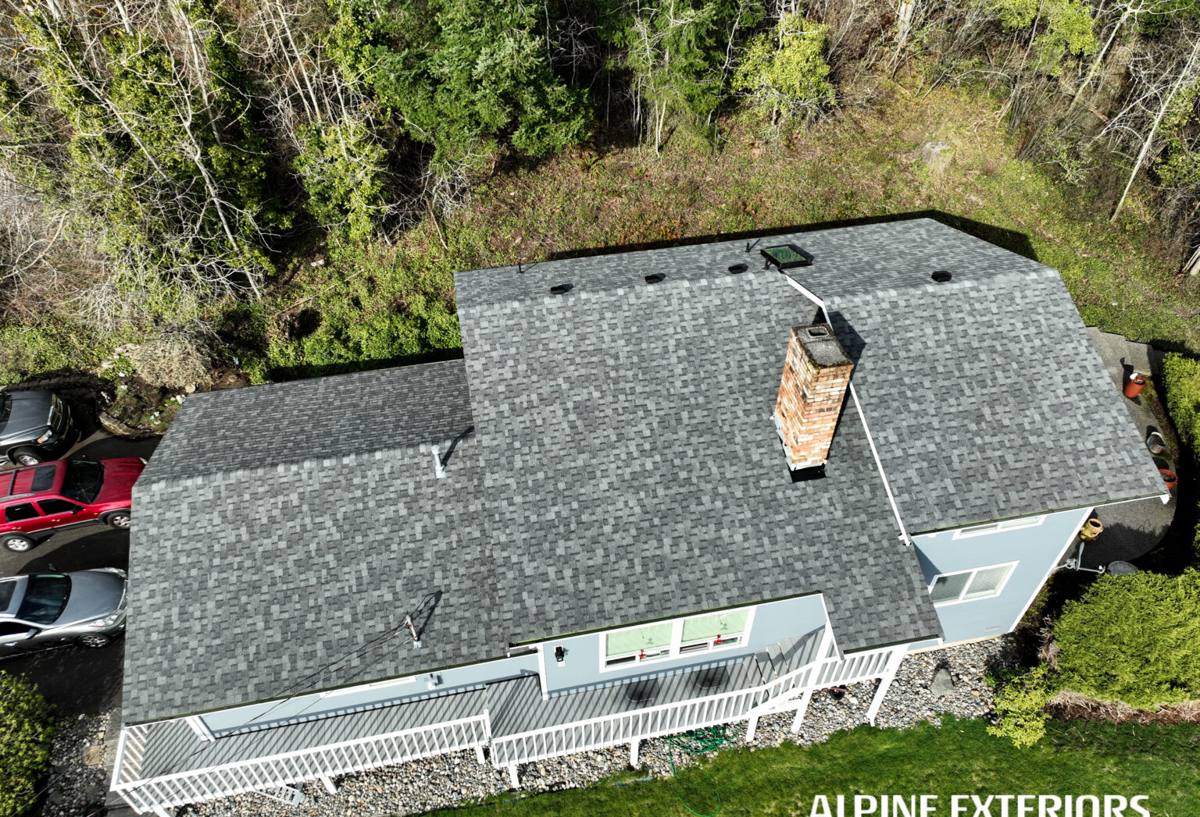
Why Metal Roofing Makes Sense Here
Metal roofing isn't the right call for every home or every budget, but for a lot of Downtown Bellingham properties it solves problems that other materials struggle with in this climate:
- Steep, smooth panel surfaces shed driving rain fast instead of letting water sit and work its way under laps, which is where most wind-driven rain leaks start.
- Metal doesn't give moss the same foothold that granulated shingle surfaces do — moss can still grow on debris and dirt buildup, but it has a much harder time anchoring to a clean metal surface.
- Properly coated steel or aluminum resists the corrosion that salt air accelerates, as long as the coating, fasteners, and flashing are all rated for a marine-influenced environment.
- A correctly installed metal roof commonly lasts 40-70 years depending on the system, which matters on a coastline where re-roofing every 15-20 years gets expensive fast.
None of that happens automatically just because the roof is metal. It happens because the system was specified for this specific climate and installed to hold up in it.
Choosing the Right System for a Coastal Whatcom County Home
Standing Seam vs. Exposed Fastener
Standing seam panels use hidden clips and interlocking seams with no exposed screws penetrating the panel face. Exposed-fastener panels are screwed directly through the panel, with a rubber washer sealing each screw. Standing seam costs more up front but has no exposed fasteners to fail — and in a driving-rain, salt-air climate, fastener failure is the single most common cause of metal roof leaks over time. Exposed-fastener systems can still perform well here, but the washers age and need periodic inspection, and it matters that whoever installs it doesn't overdrive or underdrive the screws.
Material and Coating
The base metal and its coating decide how the roof handles salt air over the long run. The table below compares the common options homeowners in this area choose between.
| System | Coastal Corrosion Resistance | Relative Cost | Best Fit |
|---|---|---|---|
| Galvalume steel, standing seam | Very good with proper coating | Mid-High | Most Downtown Bellingham homes; balance of durability and cost |
| Aluminum, standing seam | Excellent, won't rust | High | Homes closest to the bay or with heavy salt exposure |
| Steel, exposed fastener | Good, needs fastener maintenance | Low-Mid | Outbuildings, garages, budget-conscious re-roofs |
| Copper | Excellent, develops natural patina | Very High | Historic-style homes, accent roofs, entry porches |
Aluminum never rusts, which makes it attractive for homes right along the water, but it's softer than steel and dents more easily. Galvalume steel with a quality Kynar-based finish is the middle-ground choice most homeowners land on here — strong corrosion resistance for the price, in a range of colors that fit both older Fairhaven-area architecture and newer downtown builds.
What a Correct Installation Actually Involves
The panels themselves get most of the attention, but the details underneath and around them are what determine whether the roof holds up through Whatcom County winters. A correct metal roof installation on a home like this includes:
- Full ice-and-water shield membrane at all valleys, eaves, and roof-to-wall intersections — not just the minimum code strip
- Underlayment rated for the full roof, not just high-risk areas, given how much sustained rain this area gets
- Stainless steel or matched-coating fasteners so two different metals aren't sitting against each other and corroding through galvanic reaction
- Kickout flashing wherever a roof edge meets a sidewall, directing water away from the wall assembly instead of behind the siding
- Closure strips at ridges and eaves to keep wind-driven rain and debris from being pushed up under the panels
- Proper panel expansion allowance, since metal moves with temperature swings and panels fastened too rigidly will buckle or pull loose over time
- Ridge or intake ventilation sized correctly for the attic, so trapped moisture doesn't condense on the underside of the panels
Skip any one of these and the roof can still look fine for a few years before the problem shows up as a leak, a rust streak, or rot in the wall below a poorly flashed intersection.
Mistakes We See on Metal Roofs in This Area
Most of the metal roof problems we get called out to inspect in and around Downtown Bellingham trace back to a handful of recurring issues, not the metal itself:
Galvanic Corrosion from Mismatched Metals
Using plain steel screws on an aluminum panel, or letting copper flashing sit against galvanized steel, sets up a reaction that eats away at the less noble metal. It's slow, so it often isn't caught until a fastener head crumbles or a flashing edge has visibly thinned.
Moss and Debris Buildup at Valleys and Low-Slope Sections
Metal resists moss better than shingle, but organic debris — needles, leaves, seed pods — still collects in valleys and behind chimneys. Left there through a wet Whatcom County winter, it holds moisture against the panel and coating, eventually creating the exact damp conditions moss needs to get started.
Flashing Cut Too Tight or Sealed with Caulk Instead of Formed Metal
Caulk is not a substitute for correctly formed and lapped flashing. It fails faster than the roof around it, especially with the UV exposure and temperature cycling common here, and once it cracks, water has a direct path in.
Our Process for a Metal Roof in Downtown Bellingham
- On-site assessment — we look at the existing roof structure, decking condition, ventilation, and how exposed the home is to prevailing wind and salt air off the bay.
- System recommendation — based on that assessment and your budget, we recommend a panel type, material, and finish suited to the exposure level of that specific roof.
- Tear-off or overlay decision — we're honest about when the decking or existing roof condition means a full tear-off is the right call versus when an overlay is genuinely sound.
- Installation — underlayment, flashing, fasteners, and ventilation are handled to the standard described above, not just the minimum needed to pass inspection.
- Final walkthrough — we go over the completed roof, the warranty coverage, and basic maintenance expectations before we consider the job done.
What Drives the Cost of a Metal Roof Here
| Factor | Why It Matters in This Area |
|---|---|
| Panel material and finish | Aluminum and copper cost more than Galvalume steel but hold up longer against salt air |
| Roof pitch and complexity | Steep or cut-up rooflines with multiple valleys need more flashing labor, which is where leaks start if rushed |
| Tear-off vs. overlay | Tear-off costs more but lets us check decking for rot from years of exposure to driving rain |
| Standing seam vs. exposed fastener | Standing seam costs more up front but removes exposed fasteners as a long-term failure point |
| Access and site conditions | Tight downtown lots, mature trees, and steep grades can add labor and staging time |
We won't quote a number without seeing the roof, but we'll always explain which of these factors is driving the price on your specific home so you're not guessing at where the money goes.
Living With a Metal Roof in a Wet, Salty Climate
A correctly installed metal roof is low-maintenance, not no-maintenance. A short annual routine keeps it performing the way it should through Whatcom County's wet season:
- Clear valleys, gutters, and any low-slope sections of needles and debris before the fall rains set in
- Rinse off salt residue and grime if the home is close enough to the bay to accumulate visible buildup
- Walk the roofline visually each year for any loose fastener heads, lifted flashing, or scratches in the coating that could turn into rust spots
- Keep an eye on moss growth at debris-prone spots and remove it before it spreads, rather than waiting for a full treatment
None of this requires climbing on the roof yourself, and we're happy to fold a quick visual check into any other exterior work we're already doing on your home.
Why a Crew That Already Works Downtown Bellingham Matters
Metal roofing done right in this climate depends on decisions that are specific to the site: how much salt exposure the home actually gets, which direction the driving rain typically comes from, how much shade and moisture keeps certain roof sections wet longer than others. A crew that installs metal roofs across Whatcom County, in and around Fairhaven and Downtown Bellingham, has already seen how these variables play out on homes like yours — and knows which materials and details hold up here versus which ones look fine on paper but underperform once winter storms roll in off the water. That local track record is what turns a metal roof from an expensive upgrade into a roof you don't have to think about for decades.
If you're weighing metal roofing for a home in Downtown Bellingham, we're glad to take a look and walk you through what your specific roof needs. Reach out for a free, no-pressure estimate using the form below.