 Fairhaven Siding
 Why Edgemoor Roofs Wear Differently Than the Shingle Warranty Assumes
Every asphalt shingle sold in the Pacific Northwest carries a warranty written for average conditions somewhere in the country. Edgemoor isn't average. Sitting close to Bellingham Bay with heavy tree cover on many lots, homes here take on salt-laden air, wind-driven rain off the water, and a moss season that can run most of the year in shaded spots. None of that shows up on a shingle's spec sheet, but all of it shows up on a roof's lifespan.
A roofing job that's "correct" on paper but doesn't account for those local conditions tends to fail early in the ways that matter most: fastener corrosion, water intrusion at flashing points, and mat breakdown under a mat of trapped moss. Understanding why Edgemoor is harder on a roof than a typical inland neighborhood is the first step to choosing materials and a process that actually hold up.
Salt Air and Metal Fasteners
Proximity to the water means airborne salt settles on every exterior surface, including the metal components of a roof system — nails, flashing, vent housings, and drip edge. Standard electro-galvanized fasteners can start showing surface corrosion years before they would inland, and once a fastener head weakens, the shingle it's holding is no longer secure in wind. This is a metallurgy problem, not a shingle problem, and it's fixed by specifying the right hardware, not a fancier shingle.
Wind-Driven Rain
Rain that falls straight down is easy for any roof to shed. Rain that's pushed sideways by wind off the water is a different test — it finds its way under shingle tabs, along ridge caps, and into any flashing seam that isn't sealed and lapped correctly. Most leaks we're called out to fix in this area aren't shingle failures at all; they're flashing and underlayment failures at a valley, chimney, or wall transition that a driving rain eventually found.
Moss, Shade, and a Long Wet Season
Mature conifers and a mild, wet climate are a great combination for moss and a rough one for a roof deck. Moss holds water against the shingle surface long after the rain stops, which keeps the asphalt mat damp, accelerates granule loss, and can lift shingle edges as it grows into the laps. On heavily shaded lots — common in Edgemoor — a roof that would last 25 years in full sun can lose several years of service life to moss alone if it isn't managed.
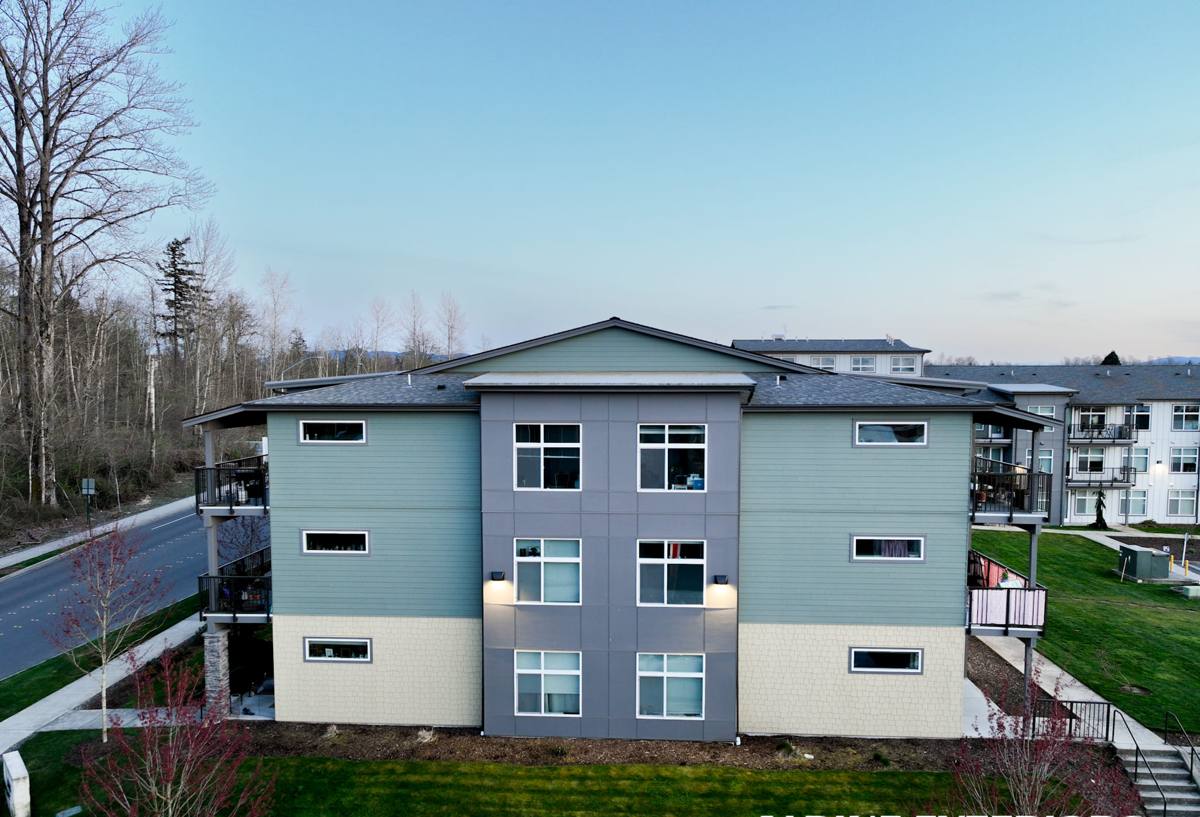
What a Correct Asphalt Shingle Job Actually Involves Here
"Correct" isn't just laying shingles in a straight line. In a climate defined by salt air, driving rain, and a long moss season, the underlayment, ventilation, and flashing details matter as much as the shingle brand — often more.
Underlayment That Actually Blocks Water
We install a synthetic or felt underlayment rated for the full roof, with self-adhering ice-and-water barrier at the eaves, valleys, and any low-slope transitions where wind-driven rain is most likely to be pushed back under the shingle course. This is the roof's real waterproofing layer — the shingles are the weather-facing skin, but the underlayment is what keeps a wind-blown storm from becoming a ceiling stain.
Attic and Roof Ventilation
A shingle roof with poor attic ventilation traps heat and moisture underneath the deck, which shortens shingle life from below at the same time moss is working on it from above. Balanced intake at the soffits and exhaust at the ridge keeps air moving, controls condensation in our damp winters, and is required for most manufacturer warranties to stay valid — a detail that's easy to skip and expensive to have skipped for you.
Flashing at Every Transition
Chimneys, skylights, sidewalls, valleys, and roof-to-wall intersections are where nearly every real leak starts. Correct flashing means new step flashing and counterflashing (not caulk smeared over old, rusted pieces), properly lapped valley metal, and pipe boots sized and sealed for the actual penetration. On a wooded, water-adjacent lot, these details carry more weight than they would on a simple, exposed roof plane.
Picking a Shingle Built for a Marine, Wooded Lot
Shingle lines are usually sold in three rough tiers. The right choice for an Edgemoor roof depends less on price and more on how well it resists algae growth, holds up to wind, and tolerates the freeze-thaw swings of a wet Whatcom County winter.
| Shingle Tier | Typical Lifespan | Wind Rating | Best Fit for This Area |
|---|---|---|---|
| 3-Tab / Economy | 15–20 years | Lower | Budget-driven projects on low-exposure roofs; not our first recommendation on shaded or wind-exposed lots |
| Architectural / Laminate | 25–30 years | Higher, due to double-layer construction | Our standard recommendation for most Edgemoor homes — durable, algae-resistant options widely available |
| Premium / Designer | 30+ years | Highest in the asphalt category | Homes wanting maximum wind and impact resistance, or a heavier, dimensional look |
Within any tier, we push clients toward algae-resistant (AR) shingles — most manufacturers now embed copper- or zinc-based granules that slow algae and moss growth on the shingle surface itself. On a lot with heavy tree cover, that single spec choice can meaningfully extend the time between moss treatments.
How We Approach an Edgemoor Roofing Project
- On-site inspection and estimate. We walk the roof (not just the ground), check the attic for existing ventilation and moisture signs, and note tree cover, exposure, and any problem flashing points before quoting anything.
- Tear-off and deck inspection. Old shingles come off down to the deck so we can check for soft or delaminated sheathing — a common find under long-standing moss mats — and replace only what's actually damaged.
- Underlayment and flashing installation. Ice-and-water barrier at vulnerable spots, synthetic underlayment across the field, and new flashing at every chimney, valley, and wall transition.
- Shingle installation to manufacturer spec. Correct nailing pattern and placement, proper starter course, and attention to exposure and offset so the finished roof performs as designed, not just looks even from the street.
- Ventilation check and correction. We confirm intake and exhaust are balanced for the attic volume, adding or adjusting vents where the existing setup falls short.
- Cleanup and walk-through. Magnetic sweep for stray fasteners, gutter check, and a final walk-through so you know exactly what was done and why.
Living With a Long Moss Season: Maintenance That Actually Helps
No shingle roof in this climate is maintenance-free, but a few habits go a long way toward protecting the investment:
- Have moss and debris cleared from the roof surface at least once a year — more often on heavily shaded sections
- Keep gutters and downspouts clear of needles and leaf litter so water isn't backing up under the eaves
- Trim back overhanging branches to cut down on shade, falling debris, and abrasion against the shingle surface
- Consider zinc or copper control strips near the ridge, which release trace metals with every rain to slow regrowth
- Never pressure-wash a shingle roof — it strips granules and shortens the shingle's life faster than the moss it removes
- Have flashing points checked annually, since that's where a small failure turns into a real leak fastest
Warning Signs an Edgemoor Roof Needs a Closer Look
Most shingle roofs don't fail all at once — they give warning signs first. Worth acting on if you notice:
- Granules collecting in gutters or at the base of downspouts
- Shingle edges curling, cupping, or lifting, especially on south- or west-facing slopes
- Thick moss mats holding visible moisture, particularly on shaded roof sections
- Dark streaking across the shingle field (algae staining, distinct from moss)
- Soft or spongy spots when the roof is walked
- Water stains or discoloration on interior ceilings, especially after a wind-driven storm
- Visible daylight or damp insulation when looking up from inside the attic
What Affects the Cost of a New Asphalt Shingle Roof Here
Every roof is priced on its own specifics, but the same handful of factors tend to move the number most on Edgemoor homes:
| Cost Factor | Why It Matters Locally |
|---|---|
| Roof access and tree cover | Mature trees common on Edgemoor lots can limit staging and dump-trailer access, adding labor time |
| Number of existing layers | Tear-off of multiple old layers takes longer and adds disposal cost versus a single-layer roof |
| Deck condition | Long-term moss and moisture exposure sometimes means sections of sheathing need replacing, found only at tear-off |
| Shingle tier chosen | Architectural and premium lines cost more per square but typically outperform economy shingles in this climate |
| Flashing complexity | Chimneys, skylights, and multiple valleys each add material and labor beyond the base shingle install |
| Ventilation upgrades | Adding proper intake or exhaust venting where none existed is a smaller add-on than most homeowners expect relative to its payoff |
We break these out clearly in every estimate so you can see what's driving the price, rather than a single lump-sum number with no explanation behind it.
Why It Matters That We Already Work This Neighborhood
A roofing crew that only occasionally works near the water tends to treat every job like a generic inland roof — standard fasteners, standard ventilation, standard flashing details. On a lot exposed to salt air and wind-driven rain off the bay, those shortcuts show up as problems within a few years, not decades.
Working Edgemoor and the surrounding Fairhaven area regularly means we already know which slopes typically hold moss longest, which flashing details tend to get missed on homes originally built for a drier assumption, and how to spec fasteners and ventilation for the exposure this specific stretch of Whatcom County actually sees. We also stay current on the permitting and inspection expectations that apply to reroofing work in the City of Bellingham, so there are no surprises partway through the job.
If you're weighing repair versus replacement, or just want a straight answer on what your current roof needs, we're glad to take a look. Reach out for a free, no-pressure estimate using the form below — we'll walk the roof, tell you what we actually find, and let you decide from there.