 Fairhaven Siding
 Roof Repair Built for Happy Valley's Climate
Happy Valley sits close enough to Bellingham Bay that its roofs deal with a different set of problems than a roof forty miles inland. Salt-laden air off the water accelerates corrosion on exposed fasteners and metal flashing. Driving rain off Puget Sound finds every gap in a roof system that's even slightly out of alignment. And the long, wet Whatcom County shoulder seasons give moss and moisture months at a time to work into places they shouldn't be. A roof repair here has to account for all three, not just patch the spot that's leaking today.
We work on homes in this neighborhood regularly, which matters more than it sounds like it should. A crew that already knows how Happy Valley's tree cover, prevailing wind direction, and roof ages tend to run shows up with a shorter list of guesses and a longer list of things to check first.
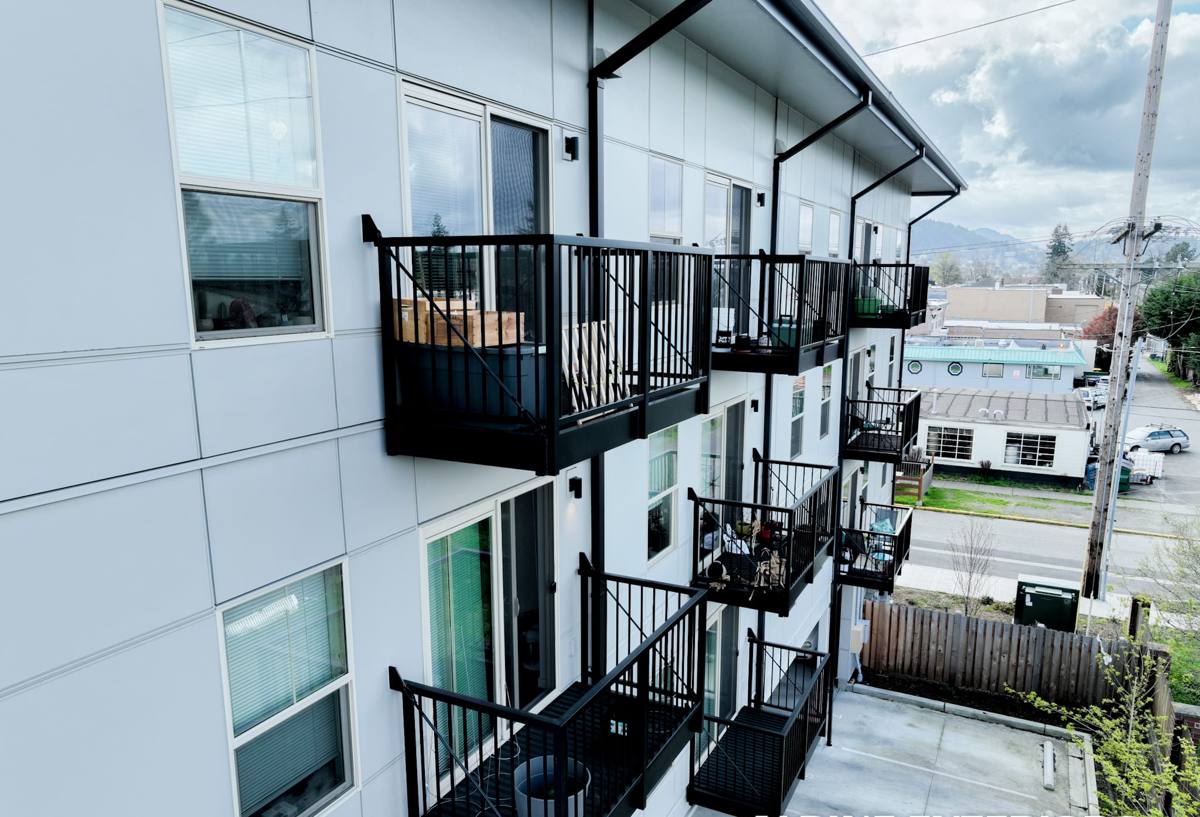
What Local Homes Actually Need From a Roof Repair
Moss Isn't Just Cosmetic
Moss holds moisture against the roofing material long after the rest of the roof has dried out. On composition shingles, that constant dampness breaks down the granule layer and shortens the life of the shingle underneath it. On any roof type, moss growing under shingle tabs or between shakes lifts them slightly, which is exactly the gap wind-driven rain needs to get underneath. A repair that scrapes off visible moss but doesn't address why it's colonizing that section in the first place — usually shade, poor drainage, or a north-facing slope that never fully dries — is a repair that comes back.
Salt Air and Fasteners
Being near the water means galvanized fasteners and flashing corrode faster than they would twenty miles inland. We see nail heads that have rusted through their galvanizing and started backing out, and flashing seams that have pinholed from the inside out. When we're repairing a roof in this area, we check fastener condition and flashing metal type as a matter of course, not just when something is obviously failing.
Wind-Driven Rain
Storms coming off the bay don't just fall straight down — they push rain sideways and up under laps, ridge caps, and step flashing that would be fine in a calmer climate. That's why so many "mystery leaks" in this area trace back to flashing and transition points rather than the field of the roof itself.
Common Roof Repair Calls We See in This Area
- Leaks around chimney and skylight flashing after a wind-driven rain event
- Moss-related granule loss and lifted shingle tabs on shaded north or east-facing slopes
- Rusted or backed-out fasteners on older galvanized roofing systems
- Valley leaks where debris and moss have slowed water drainage
- Soft or stained decking discovered during a routine gutter or moss inspection
- Ridge cap deterioration from UV and moisture cycling
- Ice-dam-adjacent damage from the rare hard freeze followed by a warm rain
What a Correct Repair Actually Involves
A roof repair done right isn't just sealing the spot where water is showing up inside the house. Water travels along decking and underlayment before it drips somewhere visible, so the entry point is often several feet away — sometimes upslope — from the stain on the ceiling. Our process on a repair call looks like this:
- Interior trace-back. We start from the visible leak or stain and work backward to figure out the likely path water is taking, rather than assuming the damage is directly above it.
- Roof-level inspection. We check the corresponding area on the roof, plus flashing, valleys, and penetrations nearby, since those are the most common actual entry points.
- Decking check. If shingles or flashing have been compromised for a while, we check whether the decking underneath has softened. Repairing the surface over rotten decking doesn't hold.
- Matched materials. We repair with materials and fastening methods appropriate to the existing roof system, so the patch performs the same as the surrounding roof rather than becoming its own weak point.
- Moss and drainage follow-up. If moss or poor drainage contributed to the failure, we address that cause, not just the symptom.
Flashing Gets Extra Attention
Because wind-driven rain and salt air both concentrate their damage at flashing and transition points, we treat flashing repair as its own line item rather than an afterthought. That means checking step flashing at wall intersections, counter-flashing at chimneys, and the metal at valleys and skylights — even when the immediate leak seems to be coming from somewhere else.
Repair vs. Replacement — How We Help You Decide
Not every roof problem in Happy Valley needs a full replacement, and we don't push one when a repair will genuinely hold. But we also won't spend your money patching a roof that's past the point where patches make sense. Here's the general framework we use:
| Factor | Leans toward repair | Leans toward replacement |
|---|---|---|
| Roof age | Under 15–20 years, condition otherwise sound | Near or past expected lifespan for the material |
| Extent of damage | Isolated to one section, flashing, or a few shingles | Multiple areas failing independently |
| Decking condition | Solid, no soft spots found | Soft, delaminated, or repeatedly wet decking |
| Moss/algae history | Recent, hasn't undermined shingle integrity | Long-term, granule loss is widespread |
| Prior repair history | First or second repair on this roof | Roof has needed repeated patching in different spots |
We'll walk you through where your roof actually falls on this table rather than defaulting to whichever answer is more profitable for us. If a repair is the honest answer, that's what we'll recommend.
Materials We Use for Repairs
We match repair materials to what's already on your roof whenever possible, since mixing incompatible products can cause galvanic corrosion (aluminum flashing against copper, for instance) or create a visible patchwork that ages differently than the rest of the roof. For flashing specifically, we generally favor materials with proven long-term corrosion resistance in coastal, salt-air conditions over the cheapest option, because the labor cost of redoing flashing later is far higher than the small material cost difference up front. We're happy to explain the trade-offs of any specific product on your roof — appearance, expected service life, and how it handles this area's moisture — before we start.
Our Process, Start to Finish
1. Inspection and Honest Diagnosis
We look at the roof, the attic or interior access point if available, and the surrounding trees and drainage patterns. We tell you what we find, including if the problem is smaller — or larger — than expected.
2. Written Scope and Estimate
You get a clear description of what we're repairing, why, and what it costs — no vague line items.
3. The Repair Itself
We work efficiently but don't rush flashing and transition work, since that's where most repeat failures originate in this climate.
4. Cleanup and Walkthrough
We clear debris, check gutters near the repair area for anything that fell during the work, and walk you through what was done.
5. Follow-Up if Needed
If a repair is part of a larger issue we flagged (aging roof, ongoing moss pressure), we tell you what to watch for and when it's worth a follow-up look.
Why a Crew That Already Works Happy Valley Matters
Roofing crews that mostly work drier, inland climates sometimes under-build for what a coastal Whatcom County roof actually faces — lighter flashing details, less attention to moss-prone shade patterns, fastener choices that hold up fine elsewhere but corrode faster here. A crew that regularly works Fairhaven and the surrounding Bellingham Bay area has already seen which repair shortcuts don't survive a few wet seasons, and builds accordingly. That local pattern recognition is the difference between a repair that lasts and one you're calling about again next winter.
Simple Maintenance Checklist Between Repairs
- Have moss removed (not just scraped) before it colonizes shingle tabs, especially on shaded slopes
- Keep gutters and valleys clear of needles and debris so water has a clear path off the roof
- Trim back branches that keep sections of the roof shaded and slow to dry
- After any major windstorm off the bay, do a visual check for lifted shingles or displaced flashing
- Address small leaks promptly — decking damage gets more expensive the longer moisture sits
- Have flashing inspected every few years given the accelerated corrosion from salt air
If you're dealing with a leak, moss buildup, or flashing issue on a Happy Valley roof, we're glad to take a look. The estimate is free, there's no pressure, and you'll get a straight answer about whether it's a repair or something bigger — just fill out the form below.