 Fairhaven Siding
 Roofing Edgemoor: A Different Job Than Roofing Inland Whatcom County
Edgemoor sits close to Bellingham Bay, wrapped in mature trees and salt-carried wind that inland Whatcom County neighborhoods simply don't deal with. A new roof here isn't just a swap of old shingles for new ones — it's an install that has to account for moisture that never fully leaves the air, moss spores that ride in on shade and humidity, and wind-driven rain that finds every weak seam. We've installed and repaired roofs across Fairhaven and the surrounding Bellingham Bay shoreline long enough to know which details matter here and which ones are just extra steps that don't pay off in this climate.
This page is about one job, one neighborhood: new roof installation in Edgemoor. Not a general roofing overview — what your roof actually needs to hold up against salt air, driving rain, and a moss season that can run eight or nine months out of the year.
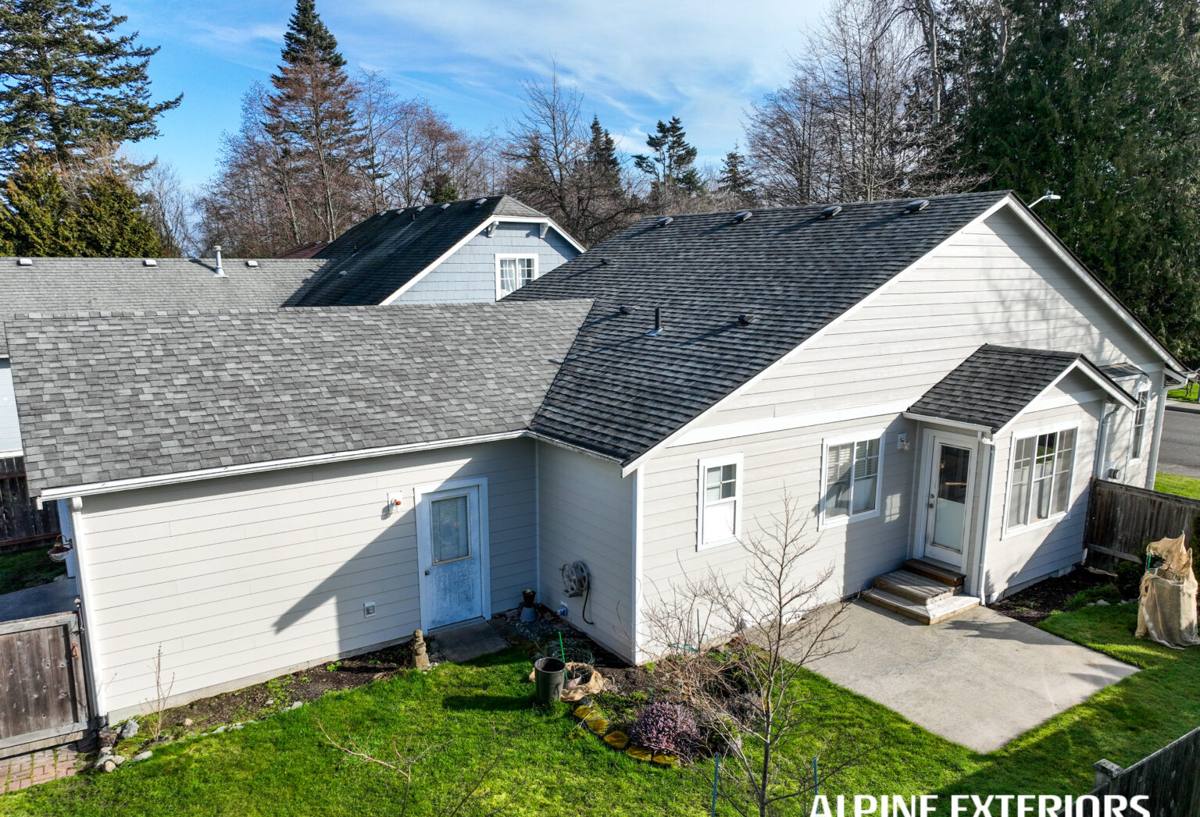
What the Edgemoor Climate Actually Does to a Roof
Salt Air and Metal Fasteners
Homes within a mile or so of the bay get a steady, low-grade dose of salt in the air. It's not dramatic — nobody's roof corrodes overnight — but over ten or fifteen years it will eat through undersized or poorly-coated fasteners, flashing, and exposed metal edges faster than the same materials would last twenty miles inland. This is the single biggest reason a "standard" roofing package designed for a dry-side or inland install is the wrong call for Edgemoor.
Moss and Shade
Edgemoor's tree cover is part of what makes it a beautiful place to live, and it's also exactly what moss needs to establish itself: shade, moisture, and organic debris collecting in valleys and against the north-facing slopes of a roof. Once moss gets a foothold, it holds water against the roofing material and works its way under shingle tabs and shakes, which shortens the life of the roof regardless of how good the underlying material is.
Driving Rain and Wind
Storms coming off the water don't just drop rain straight down — wind pushes it sideways, up under eaves, and into any flashing detail that isn't sealed correctly. A roof that would perform fine in a calm, dry climate can leak in Edgemoor if the underlayment, flashing, and ventilation aren't specified for wind-driven moisture.
What a Correct New Roof Install Includes Here
A roof that's actually built for this location has a few non-negotiable layers and details. Skipping any of these is how a new roof ends up needing repairs inside five years instead of lasting its full service life.
- Full tear-off and deck inspection — we don't install over old roofing. Every layer comes off so we can check the sheathing for rot, soft spots, or prior moisture damage before anything new goes down.
- Ice-and-water shield at eaves, valleys, and penetrations — this self-adhering membrane is the backup layer that keeps you dry even if wind-driven rain gets past the primary roofing material.
- Synthetic underlayment rated for high-moisture climates — better tear resistance and water shedding than old-style felt, and it doesn't break down the way felt can when it stays damp for extended periods.
- Corrosion-resistant flashing and fasteners — stainless or hot-dip galvanized hardware at chimneys, valleys, and roof-to-wall transitions, sized for the salt exposure this close to the water.
- Balanced ventilation — intake at the eaves and exhaust at the ridge, matched to the attic volume, so moisture doesn't get trapped under the deck where it can rot sheathing from the inside out.
- Moss-conscious material and detailing — algae-resistant shingle granules where a shingle roof is the right fit, plus attention to any shaded valleys where debris and moisture like to collect.
A Practical Pre-Install Checklist
Before we ever put a crew on your roof, we walk through this with you:
- Confirm the current deck condition and whether any sheathing replacement is likely
- Identify shaded, moss-prone areas and plan detailing accordingly
- Check attic ventilation and insulation for moisture problems that predate the roof
- Match fastener and flashing metal to the home's distance from the bay
- Review gutter and downspout capacity — undersized drainage overloads a new roof fast in heavy Pacific Northwest rain
- Set a realistic timeline around the weather window, not just the calendar
Choosing a Roofing Material for Edgemoor
There's no single "best" roofing material for every home — it depends on your roof's pitch, how much shade it gets, your budget, and how the house is built. Here's how the common options actually perform in this specific climate:
| Material | Salt Air Performance | Moss Resistance | Maintenance |
|---|---|---|---|
| Architectural asphalt shingle | Good, with corrosion-resistant fasteners and flashing | Good with algae-resistant granules; still needs periodic cleaning in heavy shade | Low — occasional moss treatment and gutter clearing |
| Standing seam metal | Excellent when specified with a marine-grade coating | Very good — smooth surface sheds debris and holds less moisture | Low — infrequent inspection, minimal upkeep |
| Cedar shake | Fair — natural material, but sensitive to constant moisture near the water | Requires the most attention; shade and dampness accelerate moss and rot | Higher — regular treatment and inspection needed to get a full lifespan |
| Composite/synthetic shake | Good — engineered for moisture resistance without the upkeep of real wood | Good | Low to moderate |
We'll walk you through the honest trade-offs for your specific roof rather than pushing one product. If cedar shake is the look you want for an Edgemoor home, we'll tell you straight what the maintenance commitment looks like in this climate so you're deciding with full information, not surprises two years in.
Our Install Process
1. On-Site Assessment
We come look at the actual roof — pitch, shade exposure, current material, drainage, and any signs of past moisture problems. This is where we catch issues a phone estimate would miss.
2. Written Scope and Estimate
You get a clear breakdown of materials, the underlayment and flashing package we're recommending and why, ventilation plan, and cost — no vague allowances that turn into change orders mid-job.
3. Tear-Off and Deck Repair
Full removal of the old roofing, deck inspection, and replacement of any damaged sheathing before a single new shingle or panel goes down.
4. Underlayment, Flashing, and Ventilation
This is where a roof's real durability gets decided — the layers nobody sees once the job is done. We don't shortcut this stage regardless of the finish material on top.
5. Final Install and Walkthrough
Roofing material goes on to manufacturer spec, site is cleaned of debris and fasteners, and we walk the finished roof with you so you know what was done and what maintenance, if any, to expect going forward.
Why a Fairhaven-Based Crew Matters for Edgemoor
A roofing crew that already works Edgemoor and greater Fairhaven isn't guessing at what this climate does to a roof — we've seen it firsthand, on real homes, in real Whatcom County weather. That translates into practical advantages:
- We know which fastener and flashing specs actually hold up this close to the bay, instead of defaulting to a generic inland package
- We recognize moss-prone roof geometry on sight and detail around it during install, not after the first callback
- We're not driving in from out of the area — scheduling, follow-up, and any warranty service happen fast because we're already local
- We understand how Fairhaven's tree cover and lot layouts affect roof access, staging, and cleanup planning
Timing a New Roof Around the Pacific Northwest Weather Window
Roofing can be done in the Pacific Northwest most of the year, but the driest stretches make for the cleanest install and the least risk of weather delays. We plan around actual forecasts rather than a fixed calendar, and if a job needs to pause for a storm system moving through, we protect the open deck properly rather than rushing to finish in bad conditions. A roof rushed through a rainstorm is a roof more likely to have problems later — we'd rather take an extra day than compromise the install.
Signs an Edgemoor Roof Needs Replacement, Not Repair
Not every roofing problem means a full new roof. But a few signs typically point past the point where patching makes sense:
- Granule loss heavy enough that shingles look bald in patches, especially on south- and west-facing slopes
- Persistent moss growth that returns quickly after cleaning, especially in shaded valleys
- Soft spots or sagging in the deck when walked, which usually means moisture has reached the sheathing
- Multiple active leaks or staining in the attic, rather than a single isolated spot
- A roof already past or near the end of its material's expected service life, combined with any of the above
If your roof only shows one isolated issue, a repair may be the more honest recommendation — we'll tell you that instead of steering every call toward a full replacement.
If you're weighing a new roof for an Edgemoor home, we're glad to come take a look and give you a straight, no-pressure estimate — what your roof actually needs, what it will cost, and why. Use the form below to get started.