 Fairhaven Siding
 Siding Replacement Built for the York Neighborhood's Climate
Homes in and around the York neighborhood sit close enough to Bellingham Bay to catch salt-laden air off the water, close enough to the foothills to get pounded by driving rain off Puget Sound storms, and shaded enough by mature trees in places to grow moss on anything that stays damp too long. That combination is harder on exterior siding than most homeowners realize until they're standing at the base of a wall looking at soft, swollen boards or a green film that keeps coming back no matter how many times it's cleaned off.
This page is about one job, done right, in one place: siding replacement for homes in and near York. Not a general overview of siding — a look at what this specific neighborhood's weather does to a wall system over years, what a correct replacement actually involves, and why the difference between a rushed re-side and a properly detailed one shows up five, ten, and twenty years down the road.
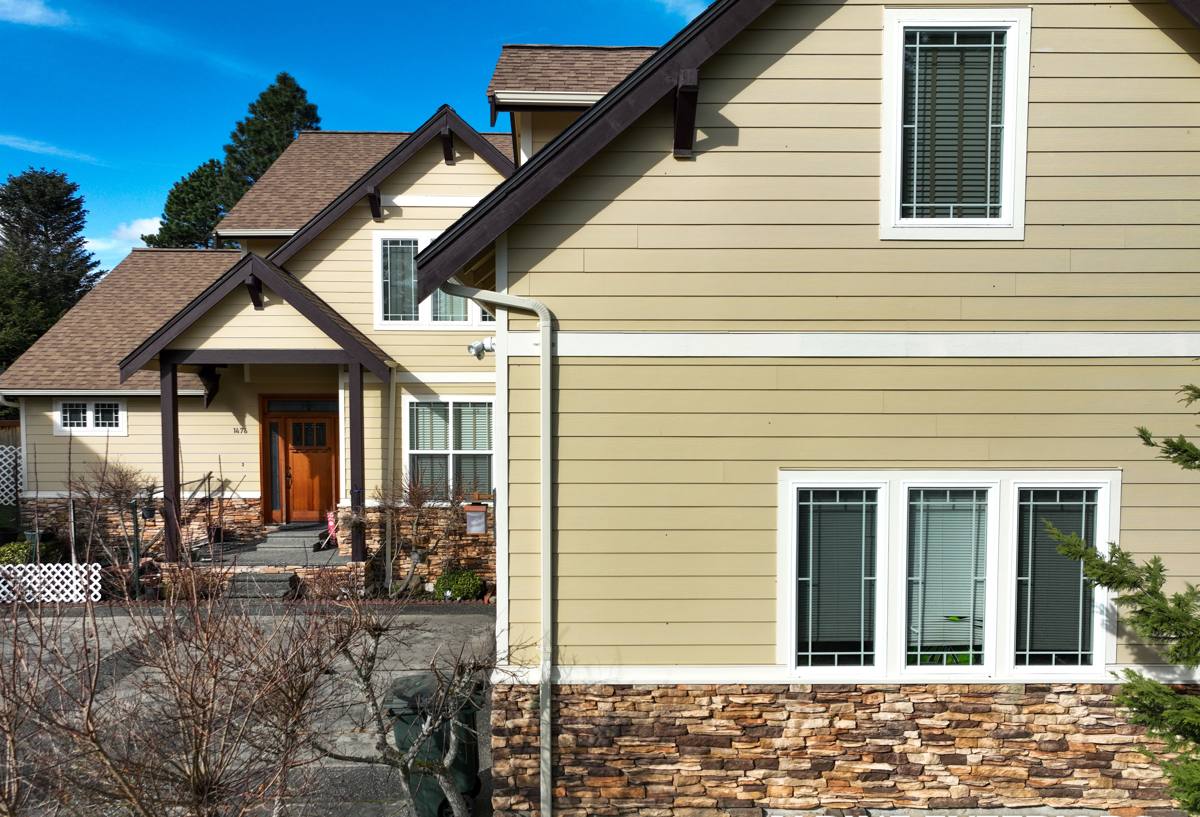
What Fairhaven's Marine Climate Does to Siding Over Time
Salt Air and Coastal Exposure
Whatcom County's proximity to salt water means airborne salt settles on every exterior surface, not just the ones facing the water directly. Salt is hygroscopic — it pulls moisture out of the air and holds it against whatever it lands on. On siding, that means longer damp cycles, faster breakdown of paint films, and accelerated corrosion of exposed fasteners, flashing, and trim if they're not rated for the exposure. Over years, that slow chemical wear is a bigger factor in siding failure here than most homeowners expect.
Driving Rain and Water Management
Rain in this part of Washington doesn't just fall straight down — winter storms push it sideways, driving water up under laps, into seams, and behind trim that isn't properly flashed. A siding system that relies on caulk and paint alone to keep water out will eventually let it in. What actually keeps a wall dry is the sequence behind the siding: a correctly lapped weather-resistive barrier, flashing at every horizontal transition, and siding installed with the right gaps and fastening pattern so water that does get behind the cladding has somewhere to drain and dry out.
The Long Moss Season
Cool temperatures, high humidity, and shade from tree cover give moss and algae a long growing window here — often most of the year on north-facing or shaded walls. Moss itself doesn't destroy siding the way rot does, but it holds moisture against the surface for extended periods, which accelerates whatever decay process is already underway underneath. A siding material and finish that resist moss adhesion, combined with basic maintenance, make a real difference in how a wall looks and performs ten years out.
Signs a York-Area Home's Siding Needs Replacing
Most siding failure is gradual, and it's easy to miss until it's advanced. These are the signs worth walking your exterior for, especially before winter storm season:
- Soft or spongy spots when you press on siding, especially near the bottom courses and around window and door trim
- Paint that's peeling, bubbling, or won't hold a fresh coat no matter how well it's prepped
- Persistent moss, algae, or dark streaking that returns quickly after cleaning
- Visible warping, cupping, or gaps opening up between boards or panels
- Cracked or crumbling caulk at seams and trim joints that keeps needing to be redone
- Rust streaks below nail heads or metal flashing
- Rising energy bills with no other explanation, which can point to a compromised weather barrier
- Interior signs — musty smells, peeling interior paint, or discoloration on walls that share an exterior wall with visible siding damage
Any one of these on its own might just need a repair. Several together, especially on a home that hasn't had its siding replaced in a couple of decades, usually mean the whole system — not just the surface — has reached the end of its useful life.
Why We Only Install James Hardie Fiber Cement
We don't install vinyl, LP SmartSide, or primed wood siding, and that's a deliberate standard, not a limitation of what we're capable of doing. In a climate like this one, the products that hold up best are non-combustible, dimensionally stable when wet, and finished in a way that doesn't depend on the homeowner repainting every few years to keep water out. James Hardie fiber cement checks those boxes in a way we've come to trust enough to build our business around it exclusively.
Hardie's HZ5 product line is engineered for exactly this kind of climate — wet winters, cool damp summers, and coastal exposure — and its ColorPlus factory finish is baked on and warrantied separately from the substrate, so the color coat isn't the first thing to fail. Fiber cement doesn't swell, rot, or feed mold and moss the way wood-based products can, and it carries a transferable warranty that matters if the home ever sells. For a neighborhood exposed to salt air and long wet seasons the way this one is, that combination of moisture resistance, fire resistance, and finish durability is why Hardie is the only product we put on a wall.
What a Correct Siding Replacement Job Involves
Tear-Off and What's Underneath
Replacing siding isn't just swapping old boards for new ones. Once the old siding comes off, we inspect the sheathing underneath for rot, soft spots, or prior water damage — which is common on homes that have had water working its way in unnoticed for years. Any compromised sheathing gets replaced before anything new goes back up. Skipping this step is the single most common shortcut that leads to problems reappearing a few years after a re-side.
Weather-Resistive Barrier and Flashing
A new weather-resistive barrier goes on correctly lapped, shingle-style, so water always drains outward and down rather than getting trapped behind the siding. Flashing goes in at every window, door, and horizontal trim transition — the places driving rain is most likely to find a way in. This is the part of the job nobody sees once it's finished, and it's also the part that determines whether the wall stays dry for the next 30-plus years or starts showing problems again in five.
Installation to Manufacturer Spec
James Hardie siding has to be installed to specific fastening patterns, gap tolerances, and clearances from grade, roofing, and other flashed surfaces to perform the way it's engineered to and to keep the manufacturer's warranty valid. That includes correct nail placement, proper caulking only where Hardie's instructions call for it (not as a substitute for flashing), and maintaining the clearances that let the bottom edge of the siding drain and dry.
How Our Process Works
- Free on-site estimate — we walk the exterior with you, check for the signs listed above, and give you an honest read on whether you need a full replacement or targeted repair.
- Detailed scope and quote — a written proposal covering tear-off, sheathing repair if needed, Hardie product line and color, and timeline, with no vague allowances.
- Tear-off and sheathing inspection — old siding removed, substrate assessed and repaired before anything new is installed.
- Weather barrier and flashing — the water-management layer goes in first and gets checked before siding installation begins.
- Hardie installation to spec — fastening, gaps, and clearances installed to manufacturer requirements, not shortcuts.
- Final walkthrough — we go over the finished job with you before we consider it done.
Cost Factors for Siding Replacement
Every home is different, but the factors that most often move the price on a project in this area are consistent. This isn't a quote — it's a guide to what drives cost up or down so you can ask informed questions when you get an estimate.
| Factor | Why It Matters Here | Typical Impact |
|---|---|---|
| Sheathing condition | Long-term moisture exposure common in this climate often means hidden rot behind old siding | Can add meaningfully to cost if replacement is needed |
| Home size and wall complexity | More corners, dormers, and trim details mean more cuts and flashing points | Moderate to significant |
| Siding profile chosen | Lap width, shingle-style panels, and board-and-batten all price differently in labor and material | Moderate |
| Trim and accessory scope | Full trim replacement alongside siding versus reusing sound existing trim | Moderate |
| Access and site conditions | Steep lots, tight setbacks, and mature landscaping common in established neighborhoods can slow work | Minor to moderate |
| Color and finish | Factory ColorPlus finishes versus field-painted options | Minor |
Why a Crew That Already Works This Neighborhood Matters
Siding replacement done by a crew unfamiliar with this specific stretch of coast tends to miss the details that matter most here — under-flashing that assumes a drier climate, fastening schedules that don't account for the wind-driven rain this area gets, or a product choice that looks fine on day one but wasn't built for a long moss season. A crew that already works in and around Fairhaven and the York neighborhood has seen what happens to siding here over ten and twenty years, not just what it looks like fresh off the truck. That experience shows up in the flashing details, the product recommendation, and the honesty about what your home actually needs versus what's easiest to sell.
It also matters for accountability. A local crew with a warranty to stand behind isn't going anywhere, and that's worth something when you're making a decision that's supposed to last three decades or more.
Get a Straight Answer About Your Siding
If you're seeing soft spots, persistent moss, or paint that won't hold anymore on a home in or near the York neighborhood, it's worth getting an honest look before winter storm season sets in. We'll walk your exterior, tell you plainly whether you need a full replacement or something smaller, and give you a free, no-pressure estimate using the form below.