 Fairhaven Siding
 Roofing Built for York's Corner of Whatcom County
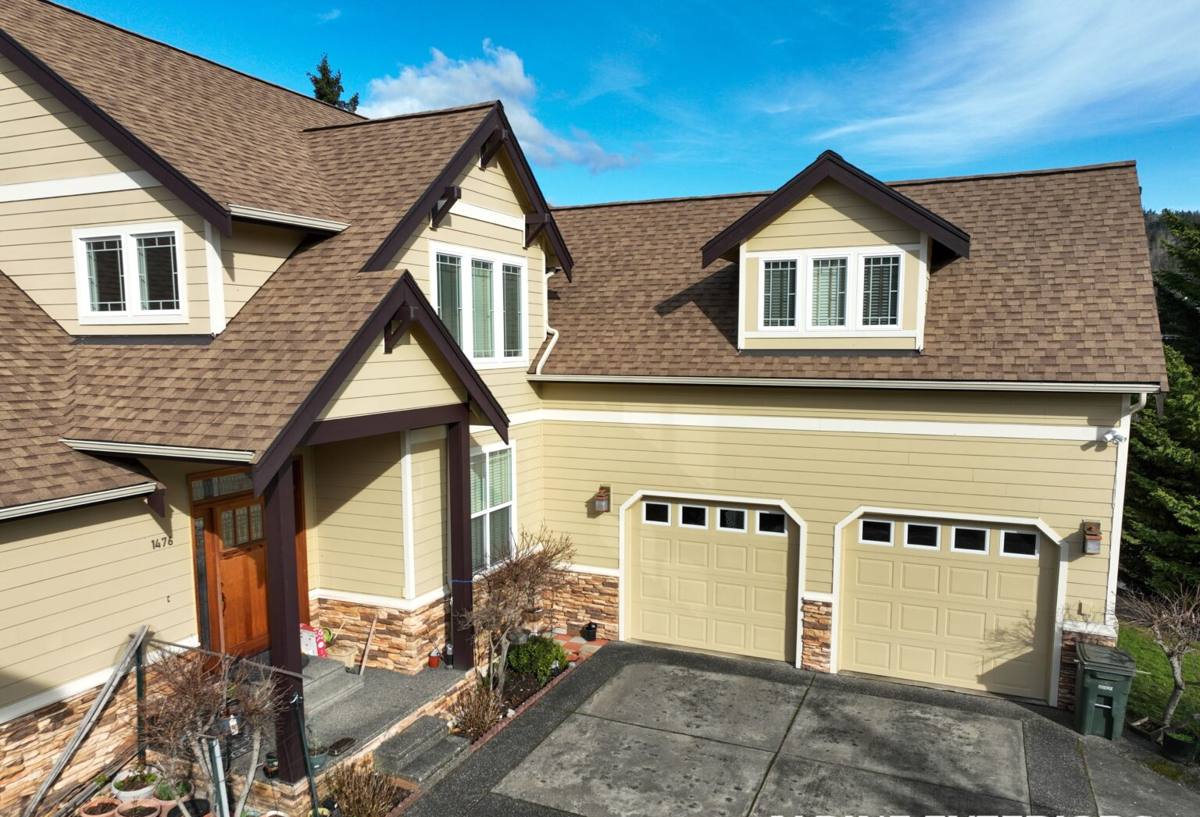
York sits close enough to Bellingham Bay that salt-laden air is simply part of daily life, and its tree-covered lots mean a lot of shade, damp, and falling debris landing on rooftops. A new roof installed here has to handle a different combination of stresses than a roof going on in a drier, more open part of Whatcom County. We've installed and repaired roofs throughout the Fairhaven area long enough to know which details actually matter on this kind of lot, and which ones are just upsells.
This page focuses specifically on full new roof installation for homes in and around York — not repairs, not general roofing information. If you're comparing bids or trying to understand what a correct installation looks like before you commit, this is written for that decision.
What York's Climate Actually Does to a Roof
Three things drive most of the roofing problems we see in this part of Fairhaven:
Salt Air and Metal Corrosion
Proximity to the bay means airborne salt settles on every exterior surface, including roofing metal. Uncoated or poorly coated flashing, fasteners, and vent stacks corrode faster here than they would ten miles inland. This doesn't ruin a roof overnight, but it shortens the life of the components that keep water out at penetrations — which is exactly where most leaks start.
Driving Rain and Wind-Driven Water
Whatcom County storms often come in sideways off the water rather than falling straight down. That matters because a roof can shed vertical rain just fine and still leak under wind-driven conditions if the underlayment, flashing laps, and starter courses aren't installed to handle water pushed uphill or sideways under shingles.
Moss and Shade
Many York lots have mature tree cover, which is part of the neighborhood's character but also means roofs stay damp longer after every rain. Moss and moss-related algae get a long season to establish here — often nine or ten months out of the year in shaded sections. Left unchecked, moss holds moisture against the roofing material and lifts shingle edges, which accelerates wear well beyond what the shingles are rated for.
None of this means York homes need exotic materials. It means the installation details — underlayment choice, flashing metal, fastening pattern, and ventilation — need to be chosen deliberately for this environment rather than defaulted to whatever's fastest to install.
What a Correct New Roof Installation Includes
A roof is a system, not a single product. Skipping any one part of the system below is where most premature failures start, regardless of how good the shingles themselves are.
- Tear-off and deck inspection — Old roofing removed down to the deck, with every sheet of sheathing checked for rot, soft spots, or delamination before anything new goes down.
- Deck repair as needed — Any compromised sheathing replaced, not just covered over. This is the single most common corner cut by lower bidders.
- Ice and water shield at vulnerable areas — Eaves, valleys, and penetrations get a self-adhered waterproof membrane, not just standard felt, because these are the spots where wind-driven rain and moss-related moisture cause the most damage.
- Synthetic underlayment across the field — A durable, water-resistant layer under the whole roof, providing backup protection if wind ever drives water past the shingles.
- Corrosion-resistant flashing and fasteners — Chosen specifically because of the salt air exposure common in the Fairhaven area, at chimneys, walls, valleys, and vent penetrations.
- Balanced intake and exhaust ventilation — Proper airflow through the attic keeps the underside of the deck dry, which matters more here given the extended damp season.
- Correct fastening pattern and nail placement — Manufacturer-specified nailing, not a faster pattern, so the roof actually qualifies for its rated wind resistance.
- Detailed flashing at every transition — Chimneys, skylights, dormers, and sidewalls flashed individually rather than relying on sealant alone.
Choosing Roofing Materials for a Coastal, Shaded Lot
There's no single "best" roofing material — the right choice depends on the home's exposure, roof pitch, budget, and how much tree cover the lot has. Here's how the common options compare for a York-area installation specifically.
| Material | Behavior in Salt Air | Moss Resistance | Typical Lifespan Here |
|---|---|---|---|
| Architectural asphalt shingles | Good with corrosion-resistant flashing/fasteners | Moderate — benefits from algae-resistant granules | 20-30 years |
| Standing seam metal | Excellent with proper coating and finish | Very good — sheds moss more easily due to smooth surface | 40-60 years |
| Composite/synthetic shingles | Good, low corrosion risk in the material itself | Moderate to good depending on product | 30-50 years |
| Wood shake | Requires more upkeep near salt air and shade | Poor without regular maintenance | Varies widely with maintenance |
Asphalt shingles remain the most common choice for good reason — cost, availability, and a wide range of algae-resistant options that hold up well when installed correctly. Metal roofing costs more up front but sheds moss and handles the coastal environment with less long-term maintenance. We'll walk through the honest trade-offs for your specific roof rather than pushing one product line.
A Note on Algae-Resistant Shingles
Many manufacturers now offer shingles with copper- or zinc-infused granules designed to resist the black streaking caused by algae growth. Given how much shade and moisture York lots tend to get, this is one upgrade we genuinely recommend considering rather than treating as an optional add-on — it directly addresses the moss and algae pressure this neighborhood sees more of than drier parts of the county.
Our Installation Process
Every new roof we install in the Fairhaven area follows the same sequence, adjusted for the specific home:
- On-site assessment — We inspect the existing roof, attic ventilation, and any visible moss or water staining before quoting anything.
- Written estimate — A clear scope of work and material specification, so you know exactly what's being installed and why.
- Tear-off and deck check — Full removal of old roofing with sheathing inspected and repaired as needed.
- Underlayment and flashing installation — Waterproof membrane at vulnerable areas, synthetic underlayment across the field, and new flashing at every penetration and transition.
- Roofing material installation — Installed to manufacturer specification, including fastening pattern and exposure, to preserve the material's rated warranty.
- Ventilation check — Intake and exhaust balanced so the attic can actually dry out between wet spells.
- Final walkthrough — We go over the completed roof with you, including any moss-prevention or maintenance guidance specific to your lot's shade pattern.
Why Local Experience in This Area Matters
A roofing crew that mostly works drier inland areas will often default to standard felt underlayment, standard fasteners, and a generic flashing approach — fine in many places, but not matched to what York's proximity to the bay and tree cover actually demands. Working this part of Whatcom County regularly means knowing:
- Which flashing metals and fastener coatings actually hold up against salt air exposure over time
- Where moss tends to establish first on shaded lots, and how to detail those areas so it doesn't undermine the roofing
- How local wind patterns off the bay drive rain sideways, and what that means for underlayment coverage and lap direction
- Which permit and inspection steps apply for roofing work in this jurisdiction
This isn't about a different skill set — it's about not treating every roof the same way regardless of where it sits.
Cost Factors for a New Roof in York
Every roof is different, so we won't quote a number without seeing the job, but the main variables that drive cost are consistent:
| Factor | Why It Matters |
|---|---|
| Roof size and number of planes | More square footage and more valleys/hips mean more material and labor |
| Deck condition | Rotted or soft sheathing found during tear-off adds repair cost |
| Material choice | Asphalt, metal, and composite options span a wide price range |
| Roof pitch and access | Steep or hard-to-access roofs take longer and require more safety setup |
| Ventilation upgrades | Adding or correcting intake/exhaust vents affects labor and materials |
| Flashing complexity | Chimneys, skylights, and multiple sidewalls add detail work |
Signs Your York Home May Need a New Roof Rather Than a Repair
Not every roof problem calls for full replacement, but these signs usually mean it's time for a real conversation about installation rather than another patch:
- Granule loss heavy enough to see bare spots or granules collecting in gutters
- Shingles that are curling, cupping, or cracking across multiple areas of the roof
- Persistent moss growth that returns quickly after cleaning
- Daylight visible through the attic decking, or staining on attic sheathing
- A roof approaching or past the end of its material's expected lifespan
- Multiple past repairs in different areas rather than one isolated issue
Get an Honest Look at Your Roof
If you're weighing a new roof for a York-area home, we're happy to come take a look, walk the attic, and give you a straight assessment of what your roof actually needs — no pressure, no inflated scope. Use the form below to request a free estimate.