 Fairhaven Siding
 Roofs in Columbia Work Harder Than Most
Homes in the Columbia neighborhood sit close enough to Bellingham Bay that salt-laden air is part of daily life, and that air doesn't just affect siding and trim — it works on roofing metal, fasteners, and flashing too. Add Whatcom County's long stretch of driving rain each fall and winter, plus a moss season that can run from October well into spring, and a roof here is under near-constant pressure in a way that drier inland climates never see. A repair that would hold up fine in Spokane or Eastern Washington can fail within a season or two out here if it isn't built for this specific mix of salt, moisture, and shade.
That's the lens we bring to every roof repair call in Columbia: not just "what's leaking," but "why did this fail here, and what will actually hold up in this climate."
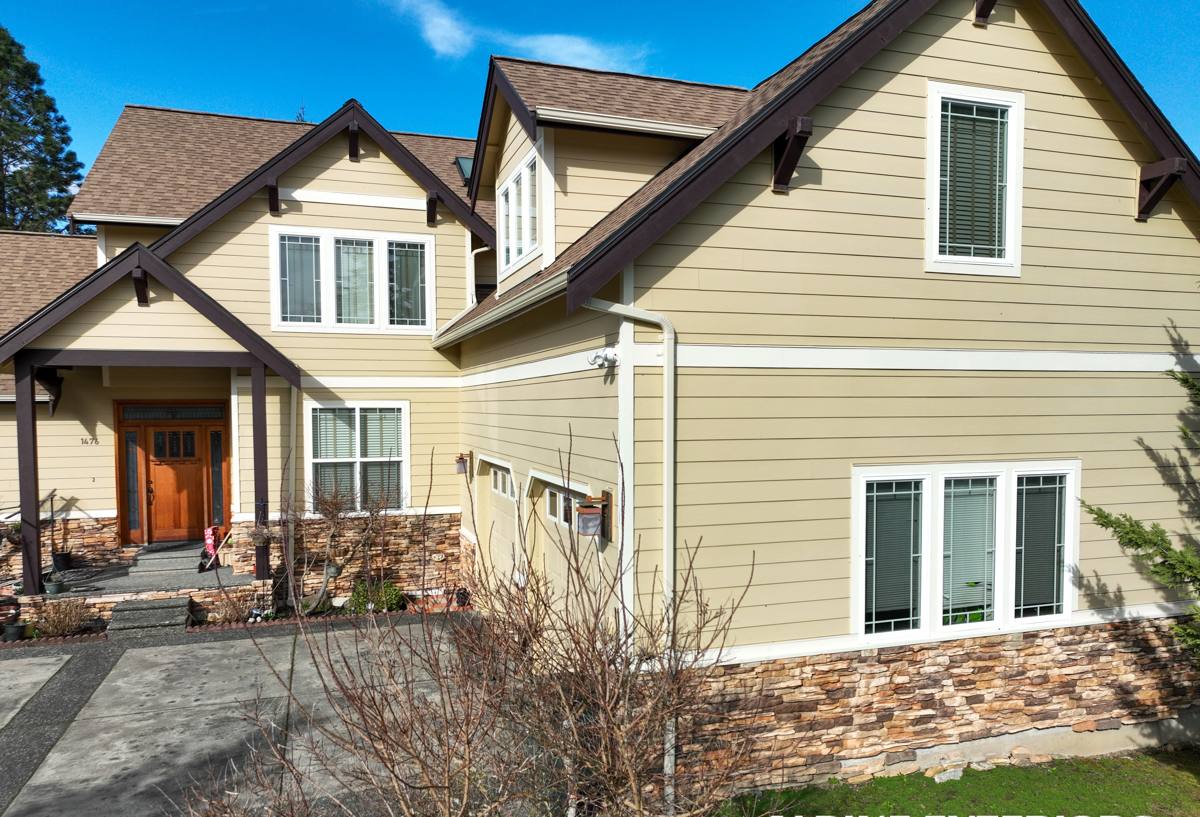
What Actually Wears Out on a Columbia Roof
Most of the repair calls we run in this part of Fairhaven fall into a handful of recurring categories. Knowing which one you're dealing with matters, because the fix — and the cost — is different for each.
Moss and Organic Growth
Columbia's mature tree cover is part of what makes the neighborhood attractive, but shaded, north-facing roof sections stay damp far longer after a storm than an open, sun-exposed roof. Moss doesn't just sit on top of shingles — its root structure lifts shingle edges and holds water against the roof deck, which is where granule loss, soft spots, and eventually deck rot start.
Flashing Failure
Flashing around chimneys, skylights, vent stacks, and roof-to-wall transitions is the single most common source of leaks we find that homeowners assumed was "just an old roof." Metal flashing corrodes faster near the water, and salt air accelerates rust on galvanized flashing and exposed fasteners well before the shingles themselves are due for replacement.
Wind and Storm Damage
Driving rain in this area usually comes with wind, and wind-driven rain finds every gap in a roof system that wouldn't leak in a calm, straight-down shower. Lifted or missing shingles, torn ridge caps, and blown-off pipe boots are common after a hard winter storm system moves through the county.
Granule Loss and Aging
Constant wet-dry cycling breaks down asphalt shingles faster than a stable, dry climate would. Once granule loss exposes the asphalt mat underneath, that section is no longer protecting the deck the way it should, even if it isn't actively leaking yet.
What a Correct Repair Actually Involves
A roof repair that's done right isn't just "match the shingle and nail it down." It starts with figuring out the actual water path, because leaks almost never show up directly above where the damage is — water travels along the deck and framing before it finds a way through the ceiling. A repair that only addresses the visible symptom without tracing the source tends to come back within a year, sometimes worse than before.
Diagnosis Before Anything Else
We look at the roof deck condition, not just the surface material. Soft, spongy decking under a leak means the repair has to include deck replacement in that section, not just new shingles laid over a compromised base. Skipping this step is the most common reason repeat repairs fail.
Flashing and Underlayment
Any repair that opens up a section of roof is a chance to replace the underlayment and flashing in that area, not just the shingles. In a climate with this much sustained rain, self-adhered underlayment at vulnerable points — valleys, eaves, penetrations — makes a real difference in how long the repair lasts.
Material Matching and Ventilation
We match shingle type, color, and exposure as closely as possible so a repair doesn't stand out as a patch. We also check attic ventilation while we're up there — poor ventilation traps moisture against the underside of the deck, which accelerates the exact rot and moss conditions that caused the original damage.
Our Process for Columbia Roof Repairs
- Inspection and photos. We get on the roof (or use a pole camera when pitch or access makes that unsafe) and document the actual condition, not just the spot you called about.
- Honest diagnosis. We tell you what's causing the problem, what it will take to fix it correctly, and whether it's a true repair or a sign the roof is closer to end-of-life.
- Written scope and estimate. You get a clear description of the work and materials before anything is scheduled — no surprise add-ons once we're up there.
- The repair itself. Deck repair where needed, correct flashing and underlayment, matched roofing material, and proper fastening for wind exposure.
- Cleanup and check. Magnetic sweep for nails, debris removed, and a final look to confirm the repair area sheds water the way it should.
Repair or Replace? How We Help You Decide
Not every roof problem in Columbia calls for a full replacement, but not every leak should be patched forever either. Here's the general framework we use when we're standing on your roof:
| Situation | Usually a Repair | Usually Points to Replacement |
|---|---|---|
| Roof age | Under 15 years, single problem area | Original roof is 20+ years old |
| Damage extent | Isolated to one section or flashing point | Granule loss and wear spread across multiple slopes |
| Deck condition | Solid decking, dry to the touch | Soft or spongy decking in more than one area |
| Leak history | First occurrence, clear single cause | Recurring leaks in different spots over time |
| Moss/algae | Surface growth, roof otherwise sound | Growth has caused shingle lift and staining below the surface |
When a repair is the right call, we do it properly and stand behind it. When the roof is telling us it's past that point, we'll say so — patching an aging roof over and over usually costs more in the long run than replacing it once.
Cost Factors for Roof Repair in Columbia
Every repair is priced on its own scope, but a few factors consistently move the number up or down for homes in this area:
| Factor | Why It Matters Here |
|---|---|
| Roof pitch and access | Steeper roofs and limited access add labor and safety-equipment time |
| Deck condition | Rotted decking under a leak adds material and labor beyond surface repair |
| Flashing scope | Chimneys, skylights, and multiple penetrations each add their own flashing detail |
| Material match | Older or discontinued shingle lines can be harder to match exactly |
| Extent of moss damage | Root-level moss damage often means more of the shingle field needs attention, not just cleaning |
We'd rather give you a real number after seeing the roof than a rough guess over the phone — but as a general rule, a straightforward flashing or shingle-section repair costs far less than deck repair combined with a larger shingle section, so catching problems early is what keeps repairs small.
Why Hiring a Crew That Already Works in Fairhaven Matters
Roofing crews that mostly work drier, inland climates sometimes underbuild for this environment — using standard underlayment where self-adhered membrane belongs, or skipping the extra flashing detail that a saltwater-adjacent, high-rainfall area actually needs. A crew that works Fairhaven and the surrounding Whatcom County neighborhoods regularly knows which roof sections in a shaded, coastal-influenced yard will hold moss again within a year without added ventilation or maintenance, and which flashing details need upgrading versus simply replacing like-for-like.
That familiarity also means we're not guessing at pitch, access, or typical framing for homes in this part of Fairhaven — we've already done the work here, which keeps estimates accurate and repairs efficient.
Homeowner Checklist: Signs Your Columbia Roof Needs a Look
- Moss or dark streaking on north-facing or shaded roof slopes
- Granules collecting in gutters or at the base of downspouts
- Any ceiling stain, even a small one, especially after a windy rainstorm
- Visible rust or lifted edges on flashing around chimneys, vents, or skylights
- Shingles that look curled, cracked, or are missing after a storm
- Daylight visible through the roof deck from inside the attic
- A musty smell in the attic, which often means moisture is getting in somewhere
Catching any of these early is almost always the difference between a modest repair and a much larger project once water has had time to work into the deck and framing.
Maintenance That Extends a Repair's Life
A well-done repair still needs a little upkeep in this climate. Keeping gutters clear so water isn't backing up under the eaves, trimming back branches that keep a roof section shaded and damp, and having moss treated before it takes root all go a long way toward making sure the work we do lasts as long as it should. We're happy to point out any of these opportunities while we're already on your roof for a repair.
If you're dealing with a leak, storm damage, or moss buildup on a Columbia roof, we're glad to take a look and give you an honest read on what it needs. Fill out the form below for a free, no-pressure estimate — we'll tell you straight whether it's a repair, and what a correct one involves for your home.