 Fairhaven Siding
 Roof Repair Built for Silver Beach's Wet, Mossy Climate
Homes around Silver Beach deal with a version of the same problem every roof in Fairhaven and greater Whatcom County faces: long stretches of damp, mild weather that never really dries a roof out. The salt-tinged air moving in off Bellingham Bay, driving rain off the Sound, and a moss season that can run eight or nine months a year all work on a roof in ways that drier climates never see. A roof that would last decades in Arizona can develop real problems here in half that time if it isn't maintained or repaired correctly the first time.
Roof repair in this neighborhood isn't just patching a leak and moving on. It's understanding why the leak happened — usually moisture that had nowhere to go, moss that dammed water where it shouldn't pool, or flashing that was never sealed for this kind of weather — and fixing the actual cause, not just the symptom.
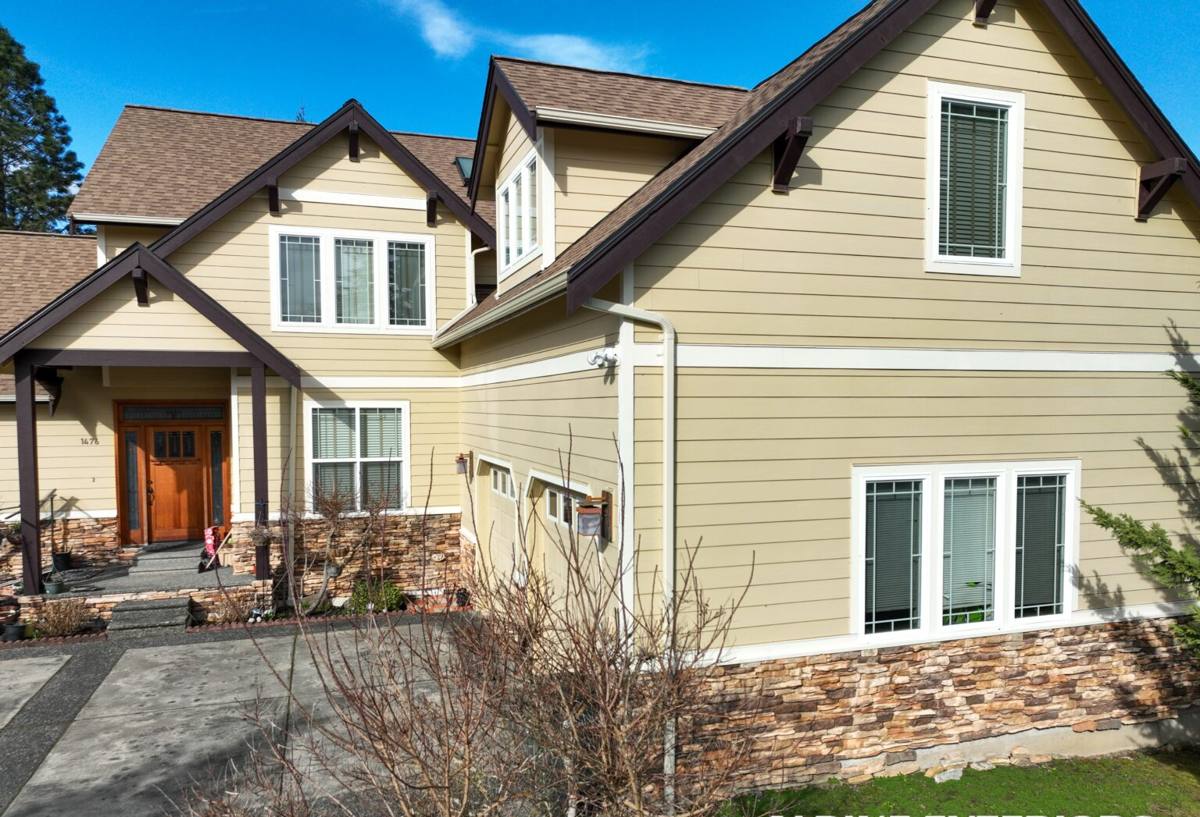
What Silver Beach's Climate Does to a Roof Over Time
Whatcom County sits in a marine climate zone: mild temperatures, high humidity, and rain that falls in long, low-intensity spells rather than short downpours. That pattern is deceptively hard on roofing.
- Moss and algae growth — shaded, north-facing slopes and tree-covered lots stay damp for days after a storm, giving moss the moisture it needs to root into shingles and lift their edges.
- Slow-moisture intrusion — instead of one big storm event, roofs here take on water gradually through small gaps, which means leaks often show up as stains and soft spots long before anyone sees a hole.
- Salt-air corrosion — metal flashing, fasteners, and vent boots near the bay corrode faster than the same materials would inland, especially if they weren't rated for coastal exposure to begin with.
- Freeze-thaw cycling — Whatcom County gets enough cold snaps mixed with wet weather that water trapped under shingles or in cracked flashing can freeze, expand, and widen the damage.
None of this means a roof near Silver Beach is doomed — it means the repair work has to account for moisture and moss from the start, not just patch what's visibly broken.
Signs a Silver Beach Roof Needs Repair
Most roof problems here don't announce themselves with a dramatic leak. They show up as small, easy-to-ignore signs first.
- Dark streaks or green-black growth on shingles, especially on shaded slopes
- Granules collecting in gutters or at downspout outlets
- Shingles that look curled, lifted, or cupped at the edges
- Soft or discolored spots on interior ceilings, particularly near chimneys, skylights, or exterior walls
- Rusted or visibly corroded flashing around vents, chimneys, or roof-to-wall junctions
- Daylight visible through the attic roof deck
- Higher-than-normal moisture or musty smell in the attic
Catching any of these early is the difference between a repair that costs a few hundred dollars and one that turns into deck replacement because water has been sitting in the sheathing for months.
What an Honest Roof Repair Actually Involves
Finding the Real Source, Not the Visible Symptom
Water travels. A stain on a bedroom ceiling might trace back to a flashing gap ten feet away, uphill on the roof plane. A proper repair starts with tracing the path of the water — checking flashing, valleys, penetrations, and the surrounding shingle field — before any patching begins. Patching only the spot where a stain appears is one of the most common ways homeowners end up paying for the same repair twice.
Flashing and Penetrations
Chimneys, skylights, vent pipes, and wall-to-roof transitions are where most leaks start, especially in a climate that never gives a roof a long dry stretch to reseal itself naturally. Repair work here means resealing or replacing flashing with materials suited to sustained moisture and salt exposure, not just caulking over a gap.
Moss and Debris Removal Done Correctly
Moss has to come off without damaging the shingle mat underneath — pressure washing is a common way homeowners strip granules and shorten a roof's remaining life trying to solve a moss problem. A correct approach uses low-pressure methods and the right treatment, then addresses why moss is growing there in the first place (usually shade, poor airflow, or debris holding moisture).
Shingle and Underlayment Repair
Damaged or missing shingles get replaced with matching material where possible, and the underlayment beneath them gets inspected — if water reached the underlayment, replacing shingles alone won't stop the leak.
Ventilation Check
Roof repairs are a natural point to check attic ventilation, since poor airflow is one of the biggest hidden contributors to moss growth, condensation, and premature shingle aging in this climate.
Repair vs. Replacement: How to Tell Which One You Need
| Factor | Repair Usually Makes Sense | Replacement Usually Makes Sense |
|---|---|---|
| Age of roof | Under 15-20 years, asphalt shingle | Approaching or past manufacturer's expected lifespan |
| Extent of damage | Localized — one slope, one penetration, one leak | Multiple leak points or widespread granule loss |
| Decking condition | Solid, dry sheathing under the damaged area | Soft, rotted, or stained decking in multiple spots |
| Moss/algae extent | Surface growth, treatable and removable | Growth has lifted shingles or damaged the mat broadly |
| Cost outlook | Lower upfront cost, targeted fix | Higher upfront cost, resets the clock on the whole roof |
An honest contractor will tell you when a repair is the right call and when it's throwing money at a roof that needs full replacement. If we look at a roof and repair isn't the responsible answer, we'll say so.
Our Roof Repair Process
1. On-Site Inspection
We walk the roof and the attic when accessible, checking flashing, valleys, vents, and the areas around any reported leak. We're not diagnosing from the ground or from photos — this climate hides too much for that.
2. Written Scope and Straight Pricing
You get a clear explanation of what's actually wrong, what we recommend, and what it costs before any work starts. No pressure to upgrade to a full replacement if a repair is the right call.
3. The Repair Itself
We remove and replace only what's damaged, reseal or replace flashing as needed, address moss and debris, and check that the fix ties into the surrounding roofing correctly rather than sitting as a patch on top of it.
4. Cleanup and Walkthrough
Debris and old materials are cleared from the site, and we walk you through what was done and what to watch for going forward.
Materials and Products We Use — and Why
For repair work, matching the existing roofing material matters as much as the quality of the new material. A patch in a different shingle profile or a mismatched flashing metal can create a new weak point instead of fixing the old one.
- Flashing: we favor corrosion-resistant metals suited to a coastal-influenced climate over cheaper galvanized options that show rust within a few seasons near the bay.
- Underlayment: synthetic, moisture-resistant underlayment where we're opening up a section of roof, since it holds up better to the extended wet spells common here than older felt products.
- Sealants: roofing-grade sealants rated for sustained UV and moisture exposure, not general-purpose caulk that breaks down within a year or two.
- Shingles: matched as closely as possible to existing material in style and color, sourced to maintain manufacturer warranty coverage where the original roof is still under warranty.
We stay away from shortcuts like heavy caulking over flashing gaps or spot-coating moss without removing it — they look like a fix for a season or two, then fail and often mask a bigger problem in the meantime.
Why Local Experience in Fairhaven Matters
A crew that works Whatcom County roofs regularly already knows which slopes in this area hold moss longest, which flashing details tend to fail first in this weather, and how local building patterns affect where water collects. That knowledge shortens the diagnosis and reduces the chance of a repair that solves the visible problem but misses the underlying cause. It also means we're not guessing at appropriate materials for the climate — we're using what we've already seen hold up.
Keeping a Repaired Roof in Good Shape
A good repair buys you years, but a little upkeep protects that investment in a climate this wet.
- Clear gutters and downspouts at least twice a year so water doesn't back up under shingle edges
- Trim back overhanging branches to cut down on shade and debris that feed moss growth
- Have the roof looked at after any major windstorm, even if nothing looks obviously wrong
- Watch for new ceiling stains or musty attic smells and address them early rather than waiting
- Schedule a moss treatment or inspection roughly once a year if your property has heavy tree cover
If you're seeing moss buildup, a stain on a ceiling, or damaged shingles near Silver Beach, we're happy to take a look and give you a straight answer on what it needs. Request a free, no-pressure estimate using the form below.