 Fairhaven Siding
 Roofing Downtown Bellingham Homes the Right Way
Downtown Bellingham sits close enough to the water that salt air is a real factor in how a roof ages, and it's exposed to the same driving rain and long wet stretches that hit the rest of Whatcom County every fall through spring. A roof replacement here isn't just about swapping old shingles for new ones — it's about choosing materials and installation details that hold up to moisture that sticks around for months at a time, not a few weeks. We're a Fairhaven-based crew, and Downtown Bellingham is part of our regular service area, not a stretch job we drive in for once and never see again.
This page covers what we actually look at when we replace a roof on a Downtown Bellingham home: the climate factors that matter, what a correct tear-off and install involves, how our process works from estimate to final walkthrough, and the honest trade-offs between roofing materials for this specific area.
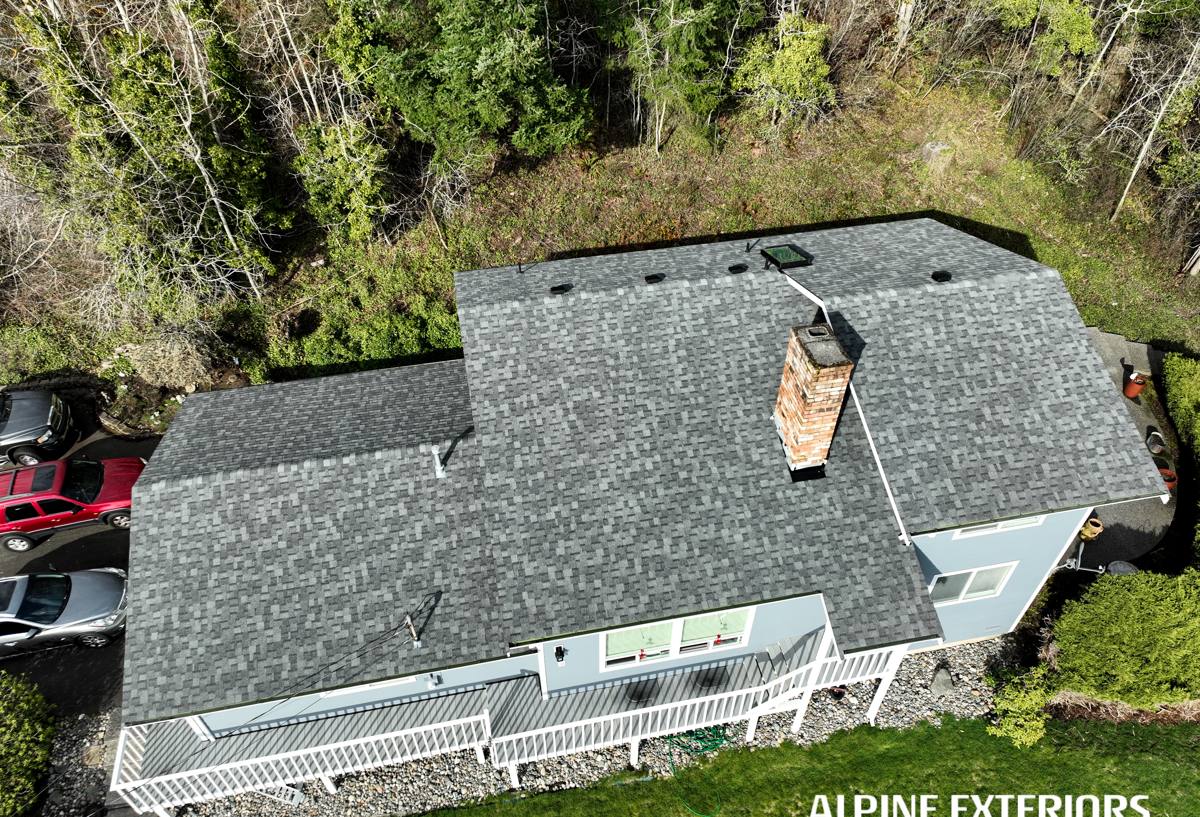
What the Local Climate Does to a Roof
Bellingham's roofs deal with a specific combination of stressors that's worth understanding before you pick a replacement material or a contractor.
Salt Air and Corrosion
Proximity to Bellingham Bay means airborne salt reaches roofs, flashing, fasteners, and any exposed metal. Over years, cheap or uncoated fasteners and flashing can corrode faster here than they would inland. This is one of the reasons fastener and flashing spec matters more on a Bellingham roof than it might in a drier, inland market.
Driving Rain and Wind-Driven Moisture
Storms off the Sound don't just drop rain straight down — wind pushes it sideways, up under eaves, and into any gap in flashing or underlayment. A roof that would be fine in a calm-rain climate can leak here if the underlayment, ice-and-water shield at vulnerable points, and flashing details aren't done correctly.
Moss and Prolonged Dampness
Whatcom County's long wet season, combined with tree cover common in and around Downtown Bellingham, creates ideal conditions for moss and algae growth on roofs. Moss holds moisture against the roofing material, and over time that trapped dampness accelerates wear, lifts shingle edges, and can work its way under roofing layers if left unaddressed. A roof replacement is the right time to build in moss resistance from the start, rather than treating it as an afterthought.
What a Correct Roof Replacement Actually Involves
A roof replacement is more than shingles. Every layer underneath does real work, and skipping or shortcutting any of them is where most premature failures come from.
- Full tear-off: We remove existing roofing down to the deck rather than layering over old material, so we can actually inspect the deck and catch problems before they're covered up again.
- Deck inspection and repair: Any soft, water-damaged, or delaminated sheathing gets replaced before new roofing goes down — this is non-negotiable in a climate this wet.
- Ice-and-water shield at vulnerable points: Eaves, valleys, and roof penetrations get self-adhering waterproof membrane, not just felt, because these are the spots where wind-driven rain finds its way in.
- Synthetic underlayment across the field: A quality synthetic underlayment gives a second line of defense under the roofing material itself.
- Proper flashing at every transition: Chimneys, walls, skylights, and any roof-to-wall junction need correctly formed and sealed flashing — this is one of the most common places a rushed job leaks.
- Ventilation check: Balanced intake and exhaust ventilation keeps the attic dry and helps prevent moss growth and premature aging from trapped moisture and heat.
- Fastener and flashing material matched to the coastal air: Given the salt exposure here, we don't cut corners on corrosion-resistant fasteners and flashing.
Roofing Material Options for Downtown Bellingham
There's no single "best" roofing material — the right choice depends on your home's style, your budget, and how much long-term maintenance you want to take on. Here's how the common options stack up for this climate specifically.
| Material | Moisture & Salt Air Performance | Moss Resistance | Typical Lifespan | Maintenance |
|---|---|---|---|---|
| Asphalt composition shingle | Good, with correct flashing and underlayment | Moderate — benefits from algae-resistant granules and periodic cleaning | 25–30 years (architectural grade) | Low to moderate; periodic moss/debris removal recommended |
| Metal (standing seam) | Very good when properly coated and fastened | High — sheds moisture and resists moss buildup | 40–60+ years | Low |
| Cedar shake | Requires diligent maintenance in a wet climate | Low without regular treatment — holds moisture readily | 20–30 years with upkeep | High — regular treatment and moss control needed |
| Synthetic/composite shingle | Good; engineered for moisture resistance | Moderate to high depending on product | 30–50 years | Low |
For most Downtown Bellingham homes, we lean toward asphalt architectural shingle with algae-resistant granules or standing-seam metal, depending on the roof's pitch and the look you're going for. Cedar shake can be beautiful and fits certain older homes well, but we're upfront that it demands more ongoing maintenance in a climate this damp — that's a maintenance-burden trade-off, not a knock on the material itself.
Why We're Selective About Moss Prevention Add-Ons
Zinc or copper strips near the ridge can help reduce future moss growth on many roofs, and we'll discuss whether that makes sense for your specific roof and its tree exposure. We don't push it as a cure-all — it's one tool among several, and the bigger factors are material choice, ventilation, and periodic cleaning.
How Our Process Works
1. On-Site Estimate
We come out, get on the roof (or use appropriate access for steep or difficult pitches), check the deck condition where visible, note flashing points, ventilation, and moss or moisture damage, and give you a straightforward written estimate. No pressure, no inflated urgency tactics.
2. Material Selection
We walk through the options above based on your home, your budget, and how much long-term maintenance you're willing to take on — not a one-size-fits-all pitch.
3. Scheduling Around Weather
Roof replacement needs a dry work window. We plan around Whatcom County's rain patterns and will be honest with you about timing rather than starting a tear-off into a forecast that puts your home at risk.
4. Tear-Off and Installation
Full tear-off, deck repair as needed, underlayment, flashing, and material installation as detailed above — with daily site cleanup, since a roofing job that leaves debris and nails scattered in your yard isn't a finished job.
5. Final Walkthrough
We walk the completed roof and the property with you, cover warranty details, and answer questions about care and moss maintenance going forward.
Why a Local Fairhaven Crew Matters for This Job
Downtown Bellingham's older housing stock, mix of roof pitches, and proximity to the water mean roofing decisions here benefit from crews who already know the area's quirks — not a contractor pulling a generic spec sheet built for a drier inland climate. Being based in Fairhaven means we're not driving across the county for a callback if something needs a look after a storm, and we're familiar with the permitting and typical construction patterns you'll find on homes in this part of Bellingham.
What to Check Before You Hire Any Roofer Here
- Washington state contractor license and current insurance, verifiable before work starts
- A written estimate that specifies underlayment type, flashing approach, and fastener material — not just "shingles and labor"
- A clear answer on how they handle deck repair if rot is found during tear-off
- Manufacturer-backed warranty terms explained plainly, including what voids them
- Willingness to talk through moss prevention and ventilation, not just the shingle color
- Local references or a local track record you can actually verify
Signs Your Downtown Bellingham Roof May Need Replacement, Not Repair
Not every roof problem means a full replacement, but certain signs point that direction, especially on a roof that's already reached the back half of its expected lifespan.
- Widespread granule loss or shingles that are curling and cracking across large sections
- Persistent moss coverage that keeps returning after cleaning, especially in shaded valleys
- Multiple active leaks or staining in different areas of the ceiling, not just one isolated spot
- Visible daylight through the roof deck from the attic, or soft/spongy decking underfoot
- A roof nearing or past 20–25 years old (asphalt) with repair costs stacking up
If you're only seeing one isolated issue — a damaged flashing point, a small area of moss, a handful of lifted shingles — a targeted repair may be the more honest recommendation, and we'll tell you that instead of pushing a full replacement you don't need yet.
Cost Factors Specific to This Area
We won't quote a number without seeing the roof, but a few things specifically affect cost for Downtown Bellingham jobs:
- Roof pitch and access — steeper or harder-to-access roofs common on older Bellingham homes take more time and safety setup
- Extent of deck repair needed once old roofing comes off
- Material choice, per the comparison above
- Chimney, skylight, and valley count — more transitions mean more flashing work
- Whether existing moss damage has already compromised sections of the deck
If your roof is showing its age, dealing with recurring moss, or you just want an honest read on whether repair or replacement makes sense, we're happy to come take a look. Fill out the form below for a free, no-pressure estimate from a crew that works Downtown Bellingham regularly.