 Fairhaven Siding
 Storm Damage Roof Repair for Sehome Homes
Sehome sits close enough to the water and high enough in elevation that its roofs take a different kind of beating than roofs a few miles inland. Homes here deal with salt-laden air drifting up from Bellingham Bay, driving rain that comes in sideways during winter fronts, and a moss season that can run eight months out of the year under the tree cover many Sehome lots still have. When a storm rolls through, the damage isn't always the dramatic kind — a missing shingle here, a lifted ridge cap there — but it's the kind that turns into a much bigger repair bill if it sits through another wet season.
We work storm damage calls in Sehome and the surrounding Fairhaven area regularly, which means we're not guessing at what your roof has been through. We know what a typical November atmospheric river does to an older asphalt roof versus a newer one, and we know which parts of a roof system tend to fail first in this climate.
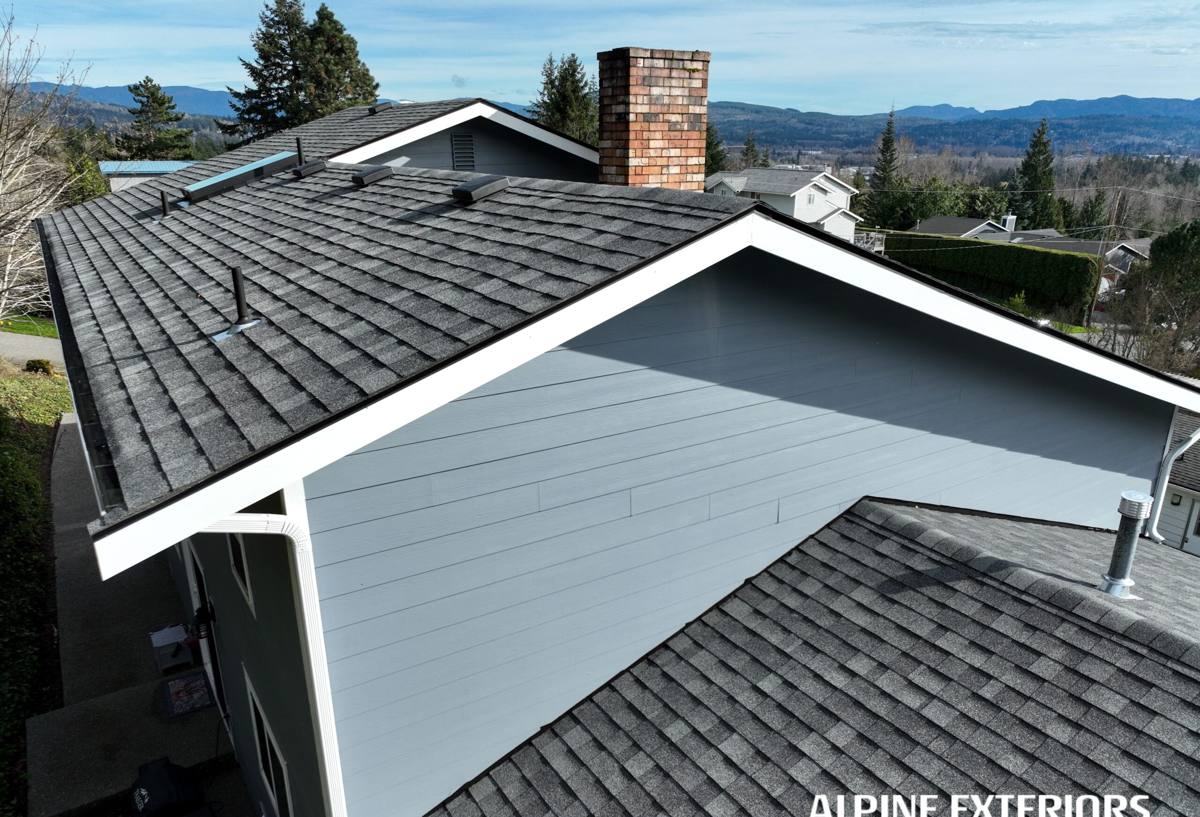
How Whatcom County Storms Actually Damage a Roof
Wind-Driven Rain
Straight-down rain is rarely the problem. It's rain pushed sideways by wind that finds its way under shingle tabs, around chimney flashing, and into any gap that's opened up from age or a prior repair that wasn't sealed correctly. Once water gets under the roofing material, it can travel a surprising distance before it shows up as a stain on a ceiling — which is why storm damage often looks worse, or shows up in a different spot, than where the actual entry point is.
Moss and Trapped Moisture
Whatcom County's long damp stretches are ideal moss-growing conditions, and Sehome's tree-shaded lots make it worse. Moss doesn't just look bad — it holds water against the roofing material, lifts shingle edges as it grows, and works its way under flashing over time. A storm that wouldn't damage a clean, dry roof can do real harm to one that's already been compromised by a season or two of moss growth.
Wind and Falling Debris
Mature trees are part of what makes this neighborhood attractive, but they're also a liability during high-wind events. Branches and cones don't need to be large to crack a shingle or dent a vent boot, and that kind of impact damage is easy to miss from the ground.
What a Correct Storm Damage Repair Actually Involves
A rushed storm repair is one of the most common ways a small problem becomes a recurring one. Doing it right means more than replacing what's visibly broken.
- A full roof inspection, not just a look at the reported problem area — wind and water damage rarely stay contained to one spot
- Checking flashing around chimneys, vents, and skylights, since these are the most common re-entry points after a storm
- Inspecting the underlayment where shingles have lifted, since a torn or soaked underlayment needs to be addressed even if the shingles above it can be saved
- Matching replacement shingles as closely as possible in color and profile, understanding that some color variation is unavoidable on an older roof
- Confirming attic ventilation and insulation weren't affected, since trapped moisture in the attic causes problems long after the roof itself is patched
Skipping any of these steps doesn't save the homeowner money — it just moves the cost to the next storm season.
Our Process, Start to Finish
- Call or request an estimate. We ask what you noticed and when, since that helps us know what to look for first.
- On-site inspection. We walk the roof (weather permitting) and check the attic from inside where access allows, documenting what we find.
- Honest assessment. We tell you plainly whether this is a repair, a partial re-roof of a damaged section, or something that doesn't need work at all.
- Written estimate. Scope and price in writing before any work starts — no verbal-only agreements.
- Repair work. Most storm repairs in Sehome are completed in a single day, weather depending.
- Final walkthrough. We show you what was done and flag anything else worth keeping an eye on.
Repair vs. Replace: Making the Right Call
Not every storm-damaged roof needs to be replaced, but not every roof is worth repairing either. The table below covers the factors that actually decide which way this should go.
| Factor | Leans toward repair | Leans toward replacement |
|---|---|---|
| Roof age | Under 12–15 years | Near or past expected lifespan for the material |
| Extent of damage | Isolated to one section or slope | Spread across multiple areas or slopes |
| Underlying condition | Decking and underlayment sound | Soft decking or widespread moss/moisture damage found |
| Shingle match availability | Reasonable match possible | Discontinued or badly weathered, mismatch would be obvious |
| Repair history | First or second repair on this roof | Repeated repairs to the same area over recent years |
We'll tell you honestly which column your roof falls into rather than defaulting to the more expensive option.
Why a Crew That Already Works Sehome Matters
A lot of Sehome's housing stock is older, which means roof framing, ventilation setups, and even prior repair work can vary quite a bit from house to house — sometimes on the same street. A crew that's worked in the area regularly has already seen how these older systems tend to be built and where they tend to fail, which shortens the inspection and reduces surprises mid-repair. We're also familiar with the permitting expectations for exterior work in this part of the county, so there's no learning curve that eats into your timeline.
Beyond familiarity, there's accountability. A local crew that plans to keep working in your neighborhood has every reason to do the job right the first time and stand behind it — reputation here isn't abstract.
Insurance and Storm Claims: What to Know Before You Call
If the damage came from a specific storm event, your homeowner's policy may cover part or all of the repair, but coverage depends heavily on your policy's language around wind, water, and wear-and-tear exclusions. A few things worth knowing going in:
- Document damage with photos as soon as it's safe to do so, before any temporary repairs
- Insurers typically want a written estimate and often a specific damage description tied to the storm date
- Gradual damage from age or long-term moss buildup is usually treated differently than sudden storm damage, so an honest assessment of the cause matters
- We're happy to provide documentation you can hand to your adjuster, but we don't inflate scope or cause to help a claim — it's not worth the risk to you or us
Preventing the Next Round of Damage
Most storm damage in this climate is made worse by things that could have been caught earlier. After a repair, a short list of habits goes a long way:
- Have moss growth removed and treated before it spreads across a full slope, not after
- Trim back branches that overhang the roofline, especially on the windward side of the house
- Check attic ventilation once a year — poor airflow accelerates moisture damage from the inside out
- Clear gutters before the fall rains start, since backed-up water finds its way under roofing edges
- Get a quick visual check after any major windstorm, even if nothing looks obviously wrong from the ground
Cost Factors for Storm Damage Repair
Every roof and every storm is different, so exact pricing only comes from an on-site look. In general, cost is driven by:
| Factor | Effect on cost |
|---|---|
| Size of the damaged area | Larger area, more material and labor |
| Roof pitch and access | Steep or hard-to-access roofs take longer and require more safety setup |
| Underlayment or decking replacement | Adds cost if water has compromised the layers beneath the shingles |
| Material match | Specialty or discontinued shingles can add cost and lead time |
| Number of penetrations affected | Chimneys, skylights, and vents each add flashing work |
We'd rather walk your roof and give you real numbers than quote a range that doesn't mean much for your specific situation.
Get a Straight Answer on Your Roof
If a recent storm has you wondering whether your roof took real damage or just looks rough, we're glad to come take an honest look. We serve Sehome and the rest of the Fairhaven area, and there's no pressure or obligation attached to the estimate — just a clear answer about what your roof needs, if anything. Fill out the form below to get started.