 Fairhaven Siding
 Siding Installation in Sehome: A Job the Local Climate Doesn't Forgive
Sehome sits close enough to Bellingham Bay to catch salt-laden air off the water, and close enough to wooded, hillside terrain to stay shaded and damp for long stretches of the year. That combination is harder on exterior siding than either factor alone. Salt air accelerates corrosion on fasteners and trim metal. Shade from tree cover slows drying time after every storm. Put those two things together with a Pacific Northwest rainy season that can run from fall through spring, and you get a neighborhood where siding installed with shortcuts shows problems years before it should.
This page is specifically about siding installation for homes in Sehome — not a general overview of siding options. If you live in this part of Whatcom County, the details below are the ones that actually determine whether your new siding holds up or starts causing headaches by year five.
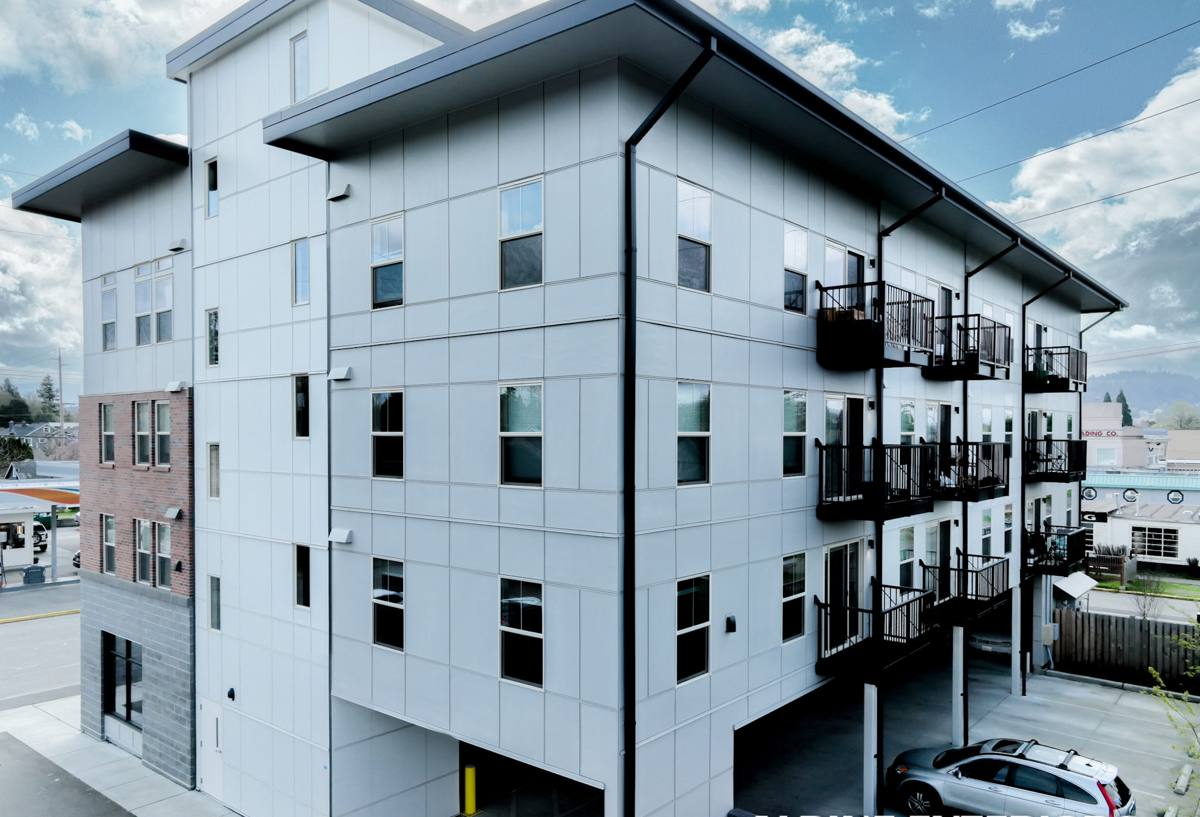
Why Sehome's Terrain and Tree Cover Change the Job
A lot of homes in and around Sehome sit on or near sloped, wooded ground. That's a defining feature of the neighborhood, and it has real consequences for siding performance:
- Slower drying cycles. Shaded walls stay wet longer after rain, which gives moss, algae, and mildew more time to establish on any siding surface that can't shed moisture efficiently.
- More organic debris. Homes near tree cover collect leaves, needles, and moss spores in wall cavities, behind trim, and in ground-level siding courses — all of which hold moisture against the material if it's not detailed correctly.
- Wind-driven rain in exposed spots. Even a few blocks from the water, gusts off Bellingham Bay can drive rain sideways into wall assemblies, especially on upper stories and gable ends.
None of this means siding is doomed in Sehome. It means the installation has to account for slower drying and higher moisture exposure from day one, rather than relying on the material alone to compensate.
What Correct Siding Installation Actually Involves
Siding installation is not just fastening panels to a wall. The parts nobody sees — the ones under the finished surface — are what determine whether a home stays dry for the next few decades or develops rot behind siding that still looks fine from the curb.
The Water-Management System
Correct installation starts with a continuous weather-resistant barrier (housewrap or building paper) installed shingle-style so every layer sheds water to the one below it. Openings, seams, and penetrations get taped or flashed so water can't work its way behind the barrier. This layer is doing the real work of keeping bulk water out of the wall — the siding itself is the second line of defense, not the only one.
Flashing at Every Transition
Windows, doors, roof-to-wall intersections, deck ledgers, and any place two different materials meet are where most siding failures actually start. Each of these needs its own flashing detail, properly lapped with the weather-resistant barrier, so water is directed out and away rather than trapped behind the cladding.
Clearances and Fastening
Siding needs a gap above roofing, decks, and grade — manufacturers specify minimum clearances for a reason, and closing that gap is one of the most common corner-cutting installation errors we see. Fasteners need to be the correct type, length, and spacing, driven at the manufacturer's specified location on the panel, not just wherever is fastest.
Why James Hardie Is the Only Siding System We Install
We install James Hardie fiber cement exclusively. We don't install vinyl, LP SmartSide, Cemplank, Allura, or primed wood siding, and that's a deliberate standard, not a default.
Vinyl siding is affordable and low-maintenance in mild climates, but it's a poor match for Sehome's conditions: it expands and contracts significantly with temperature swings, can distort or become brittle over time, and doesn't hold up as well against wind-driven debris. LP SmartSide and other engineered-wood products use a wood-strand core that, however well treated, remains an organic material — in a shaded, moisture-heavy environment like Sehome, that's the wrong material to bet a 30-year exterior on. Other fiber cement brands like Cemplank and Allura compete directly with Hardie on paper, but Hardie has the longest track record in Pacific Northwest markets, a factory-applied ColorPlus finish backed by its own warranty, and climate-specific HZ product engineering that other fiber cement makers don't match feature-for-feature.
James Hardie fiber cement is non-combustible, doesn't rot, doesn't attract insects, and holds its factory finish for years longer than field-applied paint. For a neighborhood dealing with constant moisture exposure and salt-influenced air, that combination is why it's the only product we put our name behind.
HZ5 vs. HZ10: Which Fits Sehome
James Hardie engineers its siding for specific climate zones. HZ5 is built for regions with freeze-thaw cycles and moderate moisture; HZ10 is engineered specifically for high-moisture, marine-influenced climates like ours. For most Sehome homes, HZ10 is the better-matched product given the proximity to Bellingham Bay and the region's rainfall totals — we'll confirm the right fit during your estimate based on your home's exposure.
| Installation Detail | Why It Matters in Sehome | What Correct Installation Looks Like |
|---|---|---|
| Weather-resistant barrier | Shaded, wet walls need a reliable second layer of protection behind the siding | Continuous, shingle-lapped, taped at seams and penetrations |
| Flashing at openings | Wind-driven rain finds gaps at windows, doors, and roof lines first | Integrated flashing at every transition, lapped correctly with the barrier |
| Ground and roof clearance | Splash-back and moss growth accelerate where siding sits too close to grade or roofing | Manufacturer-specified gaps maintained on every elevation |
| Fastener choice | Salt-influenced air corrodes the wrong fastener type faster | Corrosion-resistant fasteners sized and spaced to spec |
| Panel and trim caulking | Improperly sealed joints trap moisture instead of shedding it | Sealant only where the manufacturer calls for it — not as a substitute for flashing |
Our Installation Process, Start to Finish
We keep the process straightforward and communicate at each stage so you know what's happening and why:
- On-site assessment. We walk the exterior, check for existing moisture damage, evaluate exposure on each elevation, and confirm the right Hardie product line for your home's conditions.
- Written estimate. You get a clear scope of work and pricing before anything is scheduled — no surprise add-ons mid-project.
- Prep and removal. Old siding comes off, and we inspect sheathing underneath for rot or damage that needs to be addressed before the new system goes on. This step is where problems hidden behind old siding get caught.
- Weather-resistant barrier and flashing. The water-management layer goes in first and gets inspected before any siding is installed over it.
- Hardie installation. Panels, trim, and fasteners go in to manufacturer specification — correct clearances, correct fastener pattern, correct joint treatment.
- Final walkthrough. We review the finished job with you and confirm everything meets the standard we set out to deliver.
Signs a Sehome Home Needs New Siding
Because Sehome's shade and moisture exposure accelerate certain problems, it's worth checking your siding more often than a checklist written for a drier climate would suggest:
- Persistent moss or dark streaking that returns within weeks of cleaning
- Soft or spongy spots when you press on siding, especially near the ground
- Paint that's peeling, bubbling, or failing faster than a normal repaint cycle
- Visible gaps, warping, or panels that have pulled away from the wall
- Rising energy bills that suggest wall insulation is compromised
- Musty odors or moisture stains on interior walls that back up to exterior siding
Any one of these on its own isn't necessarily an emergency, but a combination of two or more is usually a sign the water-management layer behind your siding has been compromised.
Why Hiring a Crew That Already Works in Sehome Matters
Siding installation isn't a one-size-fits-all process across Whatcom County. A crew that mostly works drier, more exposed sites elsewhere can underestimate how much drying time a shaded Sehome wall actually gets, or default to clearances and detailing that work fine in a different climate but fall short here. A crew that already works this neighborhood knows which elevations need extra attention to flashing, where moss pressure tends to build fastest, and how to sequence a job around the region's rain patterns so the wall assembly isn't left exposed longer than necessary.
That local familiarity doesn't replace correct installation practice — it just means fewer assumptions get made and fewer details get missed.
Get a Free, No-Pressure Estimate
If your Sehome home's siding is showing wear, or you're planning ahead for a project, we're happy to take a look and give you an honest read on where things stand. The estimate is free, there's no pressure to move forward, and you'll get a straight answer about what your home actually needs. Use the form below to get started.