 Fairhaven Siding
 Siding Repair for York, Right on Fairhaven's Doorstep
York sits close enough to Fairhaven's waterfront that homes here deal with the same weather pattern year-round: onshore wind carrying salt air off Bellingham Bay, long stretches of driving rain from fall through spring, and a moss season that can run eight or nine months if a wall never sees direct sun. None of that is exotic for Whatcom County, but it adds up differently on siding than it does thirty miles inland. Repair work in York needs to account for all three, not just patch the spot that's visibly failing.
We work on siding throughout the Fairhaven area, and York's mix of older homes and newer infill means we see a wide range of siding conditions on any given week — sound cedar that just needs a section replaced, vinyl that's cracked and faded past matching, old fiber cement that was never caulked correctly at the seams. The repair approach is different every time, but the underlying causes are usually the same handful of things.
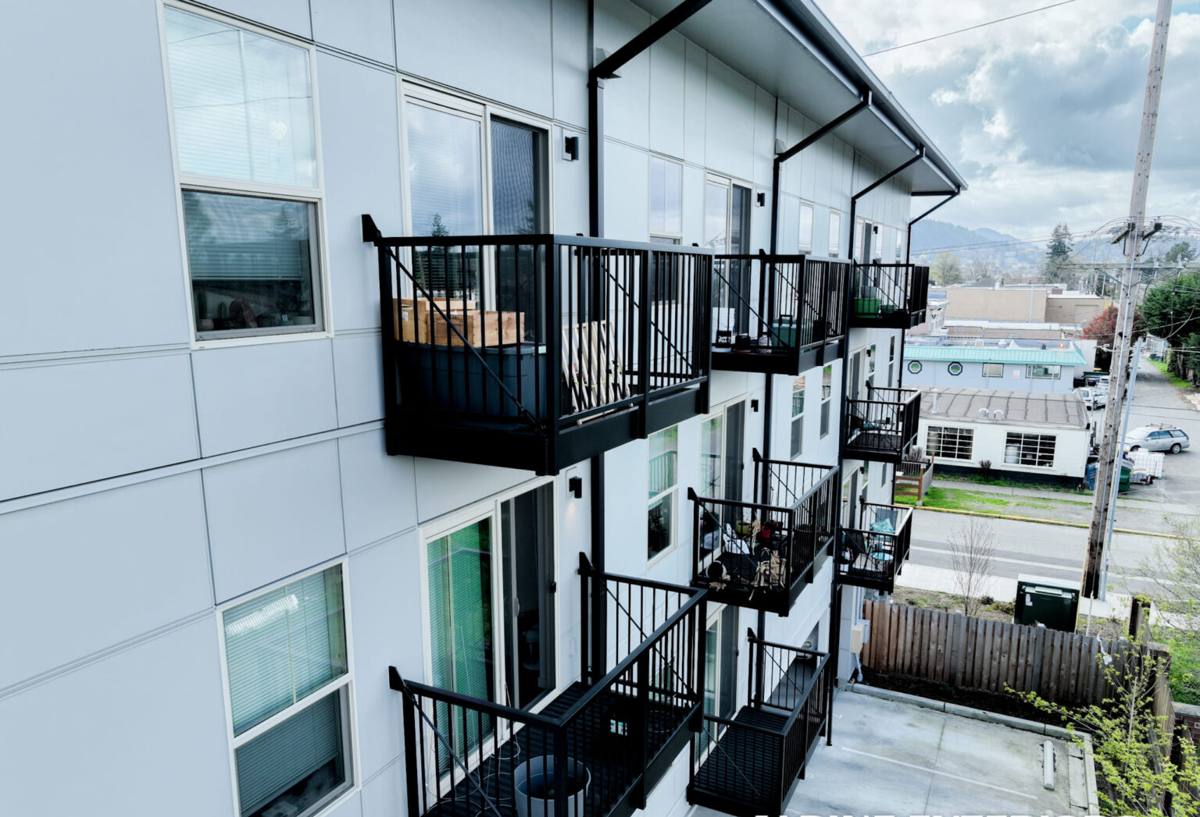
What Actually Damages Siding in a Neighborhood Like York
Salt Air and Slow Corrosion
Salt-laden air doesn't just affect metal railings and hardware — it accelerates the breakdown of caulking, fasteners, and paint film on siding, especially on walls that face the water or catch prevailing wind. Nails and trim screws corrode faster than inland homes, and once a fastener starts to fail, the siding panel around it starts moving, which opens gaps for water. A lot of what looks like "old siding" in this area is really fastener failure driven by salt exposure.
Driving Rain and Wind-Driven Water
Fairhaven gets rain that doesn't fall straight down — it comes in sideways during winter storms, which pushes water into laps, seams, and butt joints that would stay dry in a calmer climate. Siding that's slightly out of plane, under-lapped, or missing proper flashing at trim and window returns will take on water during these events even if it looks fine the rest of the year.
Moss, Shade, and Sustained Moisture
York has enough tree cover and close-set lots that north- and east-facing walls often stay damp for days after a storm. Moss and algae take hold on any siding material in those conditions, but the real damage isn't cosmetic — it's the moisture the moss holds against the surface. On wood-based products, that sustained dampness is what starts rot at the bottom edge of boards and around fastener heads.
What a Correct Siding Repair Actually Involves
A lot of repair calls we get in this area are second opinions after a patch job didn't hold. The pattern is usually the same: someone replaced the visibly damaged board but didn't check what caused the damage in the first place, so the same spot fails again within a year or two. A repair that lasts needs to answer three questions before a single new board goes up.
- What let water in? Failed caulking, a missing kick-out flashing, a butt joint with no support behind it, or a fastener hole that was never sealed.
- How far did it travel? Water tracks behind siding and along sheathing before it shows up as a stain or soft spot, so the visible damage is rarely the full extent of it.
- What's the condition of what's underneath? House wrap, sheathing, and framing all need to be checked once siding is off — repairing over damaged sheathing just delays the next call.
Only once those are answered does the actual repair — replacing boards, resealing seams, re-flashing trim — mean anything long-term.
Our Repair Process in York
1. On-Site Assessment
We look at the damaged area and the surrounding field, not just the spot the homeowner called about. In a neighborhood with York's mix of exposure and shade, damage is often more widespread on one elevation than another, and it's worth knowing that before pricing the job.
2. Removal and Inspection Behind the Siding
We pull back enough siding to see the sheathing and house wrap condition, not just the boards themselves. This is the step that gets skipped in a quick patch job and it's the one that determines whether a repair will actually last.
3. Address the Cause, Not Just the Symptom
If the failure traces back to a flashing detail, a caulking gap, or a fastening pattern, we fix that as part of the repair — otherwise we're just resetting the clock on the same problem.
4. Match or Transition the Material
Where we can match existing siding closely enough that a repair looks intentional, we do. Where the existing material has faded, discontinued, or degraded past a clean match, we'll walk through options honestly, including whether a larger section replacement in James Hardie fiber cement makes more sense than chasing a mismatched patch.
5. Final Sealing and Cleanup
Proper caulking at joints and terminations, correct fastener placement, and a finish that holds up to the salt air and moss exposure this area sees — not just a cosmetic close-out.
Repair vs. Replacement: How We Help You Decide
Not every damaged section needs full replacement, and not every "small patch" request is actually small once the siding is off. Here's the honest breakdown of what tends to drive that decision on York homes:
| Factor | Leans Toward Repair | Leans Toward Replacement |
|---|---|---|
| Extent of moisture damage | Isolated to one board or joint | Traced across multiple courses or into sheathing |
| Age and material condition | Siding is otherwise sound and under 15-20 years old | Material is at or past its practical service life |
| Color/profile match | Product is still available or close enough to match | Discontinued, faded, or visibly mismatched |
| Underlying cause | A single fixable detail (flashing, caulk, fastener) | Systemic issue — original installation problems repeat elsewhere |
| Moss/shade exposure | Limited to a small section | Whole elevation shows chronic moisture staining |
We'll give you a straight answer on which side of that line your home falls on — we're not trying to sell a full re-side when a targeted repair will genuinely hold up.
Why James Hardie Repairs Differently Than Other Materials
We install and repair James Hardie fiber cement siding as our standard, and it's worth explaining why that matters specifically for repair work in a climate like this one. Hardie's fiber cement doesn't absorb water the way wood-based products do, so it doesn't swell, rot, or feed moss growth the same way. When we're patching into existing Hardie siding, we're generally dealing with a caulking or flashing failure rather than material breakdown — a fundamentally easier and more permanent repair. The factory-applied ColorPlus finish also means repaired sections can be color-matched more reliably over time than field-painted materials, which fade unevenly under this region's UV and salt exposure.
If your York home currently has a wood-based, vinyl, or other fiber cement product and you're facing repeated repair calls, replacing the affected section — or eventually the whole elevation — in Hardie's HZ5 product line (engineered for wetter, harsher climates) is worth a real conversation. We'll never tell you to replace something that's still doing its job, but we'll be straight with you when a material is working against the climate rather than with it.
Signs You Should Get a Repair Assessment Now
- Soft or spongy spots when you press on siding, especially near the bottom courses or around window trim
- Visible gaps or cracking at butt joints and corners
- Persistent moss or algae growth that comes back within weeks of cleaning
- Paint or finish that's bubbling, peeling, or chalking unevenly
- Staining on interior walls near exterior siding, which often means water has already gotten past the surface
- Fasteners that are rusted, backing out, or leaving streak marks down the siding face
Catching any of these early is almost always cheaper and less invasive than waiting until the damage reaches the sheathing.
Why a Crew That Already Works This Area Matters
Repair work in York benefits from knowing the local pattern — which elevations tend to hold moisture, how the wind off the bay drives rain into specific details, and what kind of installation shortcuts show up often enough in this area to check for by default. A crew that works across Fairhaven and the surrounding Whatcom County neighborhoods isn't guessing at causes; they've seen the same failure patterns on enough nearby homes to know what to look for before pulling a single board.
If you've got a siding issue in York — whether it's one damaged section or a pattern of problems across an elevation — we're happy to take a look and give you a straight assessment. Reach out for a free, no-pressure estimate using the form below.