 Fairhaven Siding
 Asphalt Shingle Roofing Built for Silver Beach's Weather
Silver Beach sits close enough to Bellingham Bay that its homes take on a different kind of weather load than roofs just a few miles inland. Salt-laden air off the water, wind-driven rain that comes in sideways during winter storms, and a moss season that can stretch from fall through spring all put steady stress on a roof. Asphalt shingles remain one of the most practical, cost-effective roofing choices for this neighborhood, but only when the installation accounts for those local conditions from the start.
A shingle roof that would perform fine in a drier, calmer climate can fail early here if the underlayment, ventilation, and flashing details aren't matched to what Whatcom County actually throws at a house. This page covers what that means in practice for Silver Beach homeowners specifically.
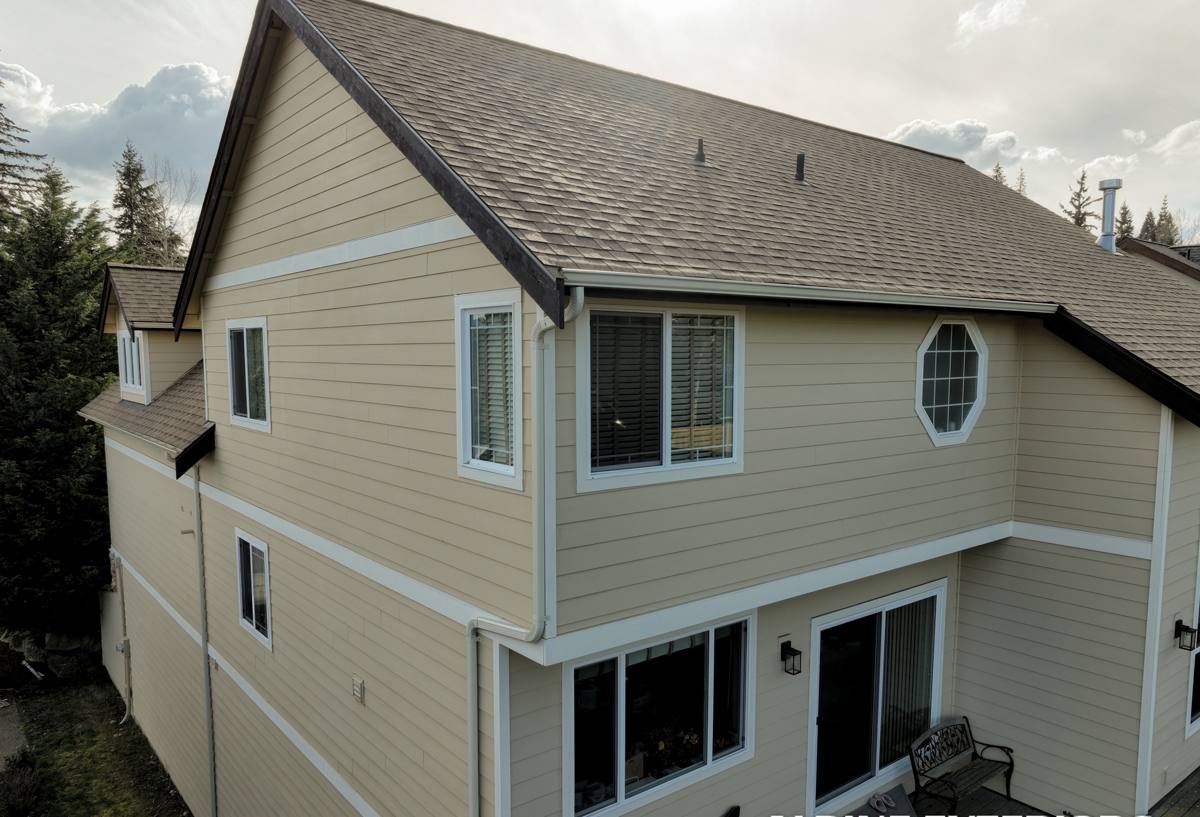
What Salt Air, Rain, and Moss Actually Do to a Roof
Salt Air
Proximity to the bay means airborne salt settles on roofing surfaces and metal components. Over time it accelerates corrosion on exposed fasteners, flashing, and vent hardware. Roofs closer to the water need corrosion-resistant metals and fasteners as a baseline, not an upgrade.
Driving Rain
Wind-driven rain doesn't just fall straight down — it gets pushed sideways and upward under shingle tabs, around chimneys, and at valleys and eaves. A roof that only relies on gravity to shed water will eventually let moisture in at these weak points. Proper underlayment and flashing are what actually stop this, not the shingle surface alone.
Moss
The long stretch of cool, damp weather typical of this part of Washington gives moss and algae a wide window to establish themselves, especially on north-facing slopes and shaded sections of roof. Moss holds moisture against the shingle surface, works its way under tabs as it grows, and can lift shingles enough to create leak paths well before the shingles themselves are worn out.
What a Correct Asphalt Shingle Job Looks Like Here
A shingle roof installed correctly for Silver Beach conditions includes several layers working together, not just the visible shingle course:
- Ice-and-water shield at eaves, valleys, and around all penetrations — the areas most exposed to wind-driven rain and ice damming during cold snaps
- Synthetic underlayment across the full deck as a secondary water barrier beneath the shingles
- Balanced attic ventilation (intake at the eaves, exhaust at the ridge) to keep moisture from condensing inside the roof assembly
- Corrosion-resistant flashing and fasteners at chimneys, walls, skylights, and roof-to-wall transitions
- Algae-resistant shingle lines where budget allows, to slow moss and algae growth on shaded or north-facing slopes
Skip any one of these and the roof is more likely to develop problems years before the shingles are due for replacement — usually starting at the same weak points: valleys, flashing, and shaded slopes.
Signs a Silver Beach Roof Needs Attention
Because moss and salt exposure work slowly, many homeowners don't notice a problem until it shows up as a stain on a ceiling. Worth checking for, or having a roofer check for, on a regular basis:
- Moss buildup along shaded slopes, ridges, or valleys
- Granules collecting in gutters or downspouts
- Shingle edges curling, cupping, or lifting
- Rust streaks below metal flashing or vent pipes
- Soft or discolored spots on interior ceilings near exterior walls
- Visible daylight or gaps at ridge vents or flashing seams
Any one of these on its own isn't necessarily an emergency, but they're worth a professional look before the next wet season.
Choosing an Asphalt Shingle Product for This Climate
Not every asphalt shingle line is built the same, and for a home exposed to bay-side conditions, the difference matters more than it would somewhere drier. The table below outlines the general tiers we work with and how they hold up locally.
| Shingle Tier | Typical Lifespan | Moss/Algae Resistance | Best Fit For |
|---|---|---|---|
| Standard 3-tab | 15–20 years | None built in | Budget-focused projects, secondary structures |
| Architectural (laminate) | 25–30 years | Optional algae-resistant granules | Most Silver Beach homes; balances cost and durability |
| Premium/designer architectural | 30–40+ years | Algae-resistant granules standard | Homes prioritizing longevity and shaded, moss-prone rooflines |
For most homes in this neighborhood, we recommend at least an architectural-grade shingle with algae-resistant granules, particularly on north-facing or tree-shaded slopes where moss takes hold fastest. It costs more up front than 3-tab shingles but typically costs less over the life of the roof once you factor in fewer moss treatments and earlier replacement.
How Our Installation Process Works
1. Inspection and Assessment
We start by walking the roof and the attic, not just looking at it from the ground. That means checking deck condition, existing ventilation, flashing points, and any signs of past moisture intrusion — all of which affect the scope of work and the honest cost of the job.
2. Tear-Off and Deck Prep
Old shingles and underlayment come off completely so we can inspect the roof deck underneath. Any soft, rotted, or delaminated sheathing gets replaced before anything new goes down — installing new shingles over a compromised deck just hides the problem.
3. Underlayment and Flashing
This is where the roof's real weather resistance comes from. Ice-and-water shield goes down at vulnerable areas, synthetic underlayment covers the rest of the deck, and new flashing is installed at every wall, chimney, and penetration.
4. Ventilation Check
We confirm intake and exhaust ventilation are balanced. Poor attic ventilation is one of the more common causes of premature shingle failure and moisture problems in this climate, and it's often overlooked during a straightforward reroof.
5. Shingle Installation
Shingles are installed to manufacturer specification for nailing pattern and exposure, which matters for wind resistance during the region's winter storm season.
6. Final Walkthrough
We walk the finished roof and the property with the homeowner, review what was done, and go over basic maintenance expectations for the specific slope and shading conditions of that roof.
What Affects the Cost of a Shingle Roof in Silver Beach
Every roof is different, but the following factors are what typically move the price up or down on jobs in this area:
| Factor | Why It Matters Here |
|---|---|
| Roof pitch and complexity | Steeper roofs and multiple valleys take longer and require more flashing detail |
| Deck condition | Moisture-damaged sheathing found during tear-off adds material and labor |
| Shingle tier chosen | Algae-resistant, architectural, and premium lines cost more per square than standard 3-tab |
| Ventilation upgrades | Adding or correcting intake/exhaust venting on an older home adds scope but reduces future risk |
| Access and site conditions | Tree cover, tight lots, and roof height affect setup and safety requirements |
We provide a written estimate that breaks these out so you know what you're paying for, rather than a single lump number.
Maintenance That Actually Matters in This Climate
A well-installed shingle roof in Silver Beach still needs some upkeep given the local moss season and salt exposure:
- Keep gutters and valleys clear of debris so water and granules don't back up
- Have moss treated or removed before it works under shingle tabs, not after
- Trim back overhanging branches to reduce shade and debris on north-facing slopes
- Have flashing and fasteners checked periodically for corrosion, especially closer to the water
- Schedule a roof check after major windstorms to catch lifted or displaced shingles early
None of this replaces a properly installed roof, but it extends the life of one considerably in a climate that doesn't give a roof much of a break between wet seasons.
Why Local Experience Matters for This Job
A crew that regularly works Fairhaven and the surrounding Whatcom County waterfront neighborhoods already knows which slopes on a Silver Beach roof will fight moss the hardest, how much wind exposure to plan for near the bay, and which flashing details tend to fail first on homes exposed to salt air. That's not something a crew from outside the region typically accounts for on the first pass. It shows up in the small decisions — where extra ice-and-water shield goes, how ventilation is balanced, which fasteners get used — that don't appear on an invoice but do show up in how the roof holds up ten years later.
If you're weighing a repair against a full replacement, or just want an honest read on how much life is left in your current roof, we're glad to take a look. There's no pressure and no obligation — use the form below to request a free estimate for your Silver Beach home.