 Fairhaven Siding
 Building Decks for Silver Beach's Coastal Conditions
Silver Beach sits close enough to the water that salt air is part of daily life, not an occasional visitor. Combine that with Whatcom County's driving rain and a moss season that can stretch from October into May, and a deck here works harder than the same structure would twenty miles inland. We build and repair decks in this neighborhood regularly, and the lessons learned from callbacks and re-dos elsewhere in Fairhaven show up directly in how we frame, fasten, and finish decks here.
A deck that looks fine the first summer can start showing problems by year three if the wrong materials or shortcuts went into it. Salt-laden air accelerates corrosion on hardware that isn't rated for it. Standing moisture on horizontal surfaces feeds moss and algae, which hold water against wood and coatings longer than most homeowners realize. None of this is exotic — it's predictable, and it's manageable if the deck is built with it in mind from the start.
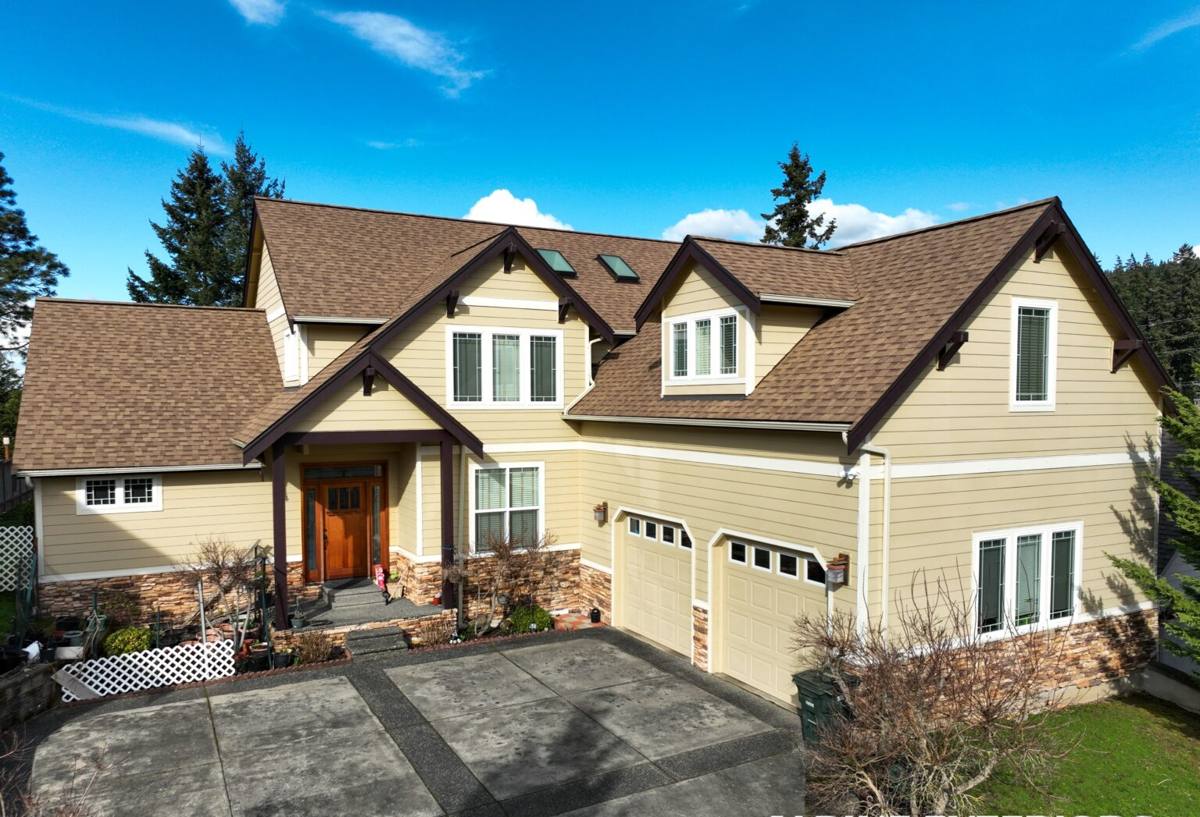
What Silver Beach Homes Actually Need From a Deck
Corrosion-Resistant Fasteners and Hardware
This is the single most common shortcut we see on decks that are failing early in coastal Whatcom County neighborhoods. Standard galvanized fasteners can hold up fine in a dry inland yard and still corrode within a few seasons this close to the water. We use stainless steel or heavy-duty coated fasteners rated for coastal and treated-lumber exposure on every ledger bolt, joist hanger, and structural screw. It costs more up front. It's cheap insurance against a deck that starts rusting and staining at the connections before the wood itself is due for attention.
Drainage That Doesn't Trap Water
Flat, tightly-butted boards with no gap or slope are a moss farm. Water needs somewhere to go, and it needs to go there fast, especially during the stretch of the year when Fairhaven sees rain most days. We set board spacing and substructure slope so water sheds instead of pooling, and we pay attention to how the deck meets the house — flashing and ledger details that keep water out of the wall assembly matter as much as the decking surface itself.
Moss and Algae Management Built In
You can't eliminate moss risk on a shaded, damp coastal lot, but you can reduce how much a deck depends on scrubbing and chemical treatment to stay safe underfoot. Board selection, gap sizing, and surface texture all affect how fast moss gets a foothold. We talk through this with every Silver Beach homeowner because it changes the maintenance conversation more than almost anything else in the build.
Choosing the Right Decking Material for This Location
There's no single "best" decking material — there's a best material for a given budget, maintenance appetite, and exposure. Here's how the common options stack up specifically for a salt-air, high-rain site like Silver Beach.
| Material | Coastal Durability | Maintenance | Notes for This Area |
|---|---|---|---|
| Pressure-treated wood | Good with proper fasteners | Annual cleaning, periodic sealing | Budget-friendly; needs real upkeep to resist moss and graying |
| Cedar | Naturally decent rot resistance | Regular cleaning and refinishing | Attractive locally, but softer surface shows moss and weathering faster without upkeep |
| Composite decking | Excellent | Low — periodic washing | Handles moisture and salt exposure well over the long run; higher upfront cost |
| PVC decking | Excellent | Lowest | Fully synthetic, very moisture-tolerant; premium price point |
We install all of these and don't push one over another as a default. What we do push is matching the material to how much upkeep the homeowner actually wants to do. A cedar deck can look great in Silver Beach for years — but only if someone is willing to clean and treat it on a schedule. If that's not realistic, composite or PVC earns back its higher price in avoided maintenance.
Framing and Structure: Where Most Failures Actually Start
Homeowners tend to focus on the decking boards because that's what they see, but the framing underneath is what determines whether a deck is safe and long-lived. Ledger attachment to the house, joist spacing sized for the decking product, proper flashing at the house connection, and footings set below frost depth and rated for the soil on the lot — these are the details that separate a deck that lasts twenty-five years from one that needs structural repair in eight.
Ledger Board Attachment
The ledger board — where the deck ties into the house — is the single most safety-critical connection on most decks. It needs proper flashing to keep water from getting behind the siding, and it needs fasteners and spacing engineered for the actual load, not just "what's always been done." We treat this connection with the attention it deserves on every job, including repairs where an older deck's ledger flashing has failed and started letting moisture into the wall.
Footings and Post Bases
Soil conditions vary lot to lot even within the same neighborhood. Footings need to sit at the correct depth and bear on undisturbed, stable soil. Post bases should keep the wood post off the concrete so it isn't sitting in standing water after every rain — a small detail that has an outsized effect on how long the structural posts last in a climate like this one.
Our Process for a Silver Beach Deck Project
- On-site assessment. We walk the lot, look at drainage, sun/shade exposure, existing structure if it's a rebuild, and how the deck will tie into the house.
- Material and layout conversation. We go over decking material options, framing approach, and layout against your budget and how you actually plan to use the space.
- Permitting. Most deck projects in Whatcom County require a permit, especially anything attached to the house or above a certain height. We handle that process.
- Demolition and site prep, if needed. Old decking, damaged framing, and any compromised ledger flashing gets addressed before new construction starts, not covered over.
- Framing. Footings, posts, beams, joists, and the ledger connection go in first, built to span and load requirements for the decking product you've chosen.
- Decking installation. Boards go down with the fastener system and spacing appropriate to the material — hidden fasteners, screws, or clips, sized correctly for expansion and drainage.
- Railings, stairs, and finish details. Code-compliant railing height and baluster spacing, stair stringers built to last, and any trim or skirting work.
- Final walkthrough. We go over the finished deck with you, including what maintenance it does and doesn't need going forward.
Repair, Restoration, or Full Rebuild?
Not every deck in Silver Beach needs to be torn out and replaced. We assess what's actually happening structurally before recommending anything.
- Surface graying or mild moss: usually a cleaning and refinishing job, not a structural issue.
- Soft or spongy boards: localized rot — often repairable by replacing affected boards if the framing underneath is sound.
- Rust staining at fastener heads: a sign the original hardware wasn't rated for this exposure; often correctable without a full rebuild.
- Ledger board separation or visible gap at the house: a structural safety issue that needs prompt attention regardless of how the rest of the deck looks.
- Wobble or movement at posts and railings: usually a footing or connection problem worth having inspected before it gets worse over another wet season.
If a deck is more than fifteen to twenty years old and showing several of these signs at once, a full rebuild is often more cost-effective than chasing repairs on framing that's reaching the end of its service life anyway. We'll tell you honestly which category your deck falls into.
What a Realistic Budget Looks Like
Deck costs vary by size, material, height above grade, and how much structural work is involved, so we won't quote a number without seeing the site. In general terms: pressure-treated wood decks sit at the lower end of the cost range, cedar runs a step above that, and composite or PVC decking carries the highest material cost but the lowest long-term maintenance spend. Multi-level decks, built-in railings, stairs, and any structural repair to an existing house connection all add to the scope. We'll walk through actual numbers for your project during the estimate — no surprises added later.
Why Hire a Crew That Already Works in This Neighborhood
A contractor who builds decks across a range of climates has to relearn the local conditions every time they show up somewhere new. We don't have that problem in Fairhaven and the surrounding Whatcom County neighborhoods, including Silver Beach. We already know which fastener grade holds up here, how much slope a deck needs to shed this area's rain volume, and how aggressive the moss season really is on a shaded, water-adjacent lot. That local knowledge shows up in fewer callbacks and a deck that's still doing its job a decade or two out, not just at the final walkthrough.
If you're planning a new deck, replacing a failing one, or just want an honest read on what shape yours is in, we're happy to come take a look. The estimate is free, there's no pressure, and you'll get a straight answer about what your project actually needs.