 Fairhaven Siding
 Windows Built for Where You Actually Live
Silver Beach sits in one of the wettest, greenest corners of Whatcom County, and that's exactly why window replacement here can't be treated like a catalog decision. A window that performs fine in a dry inland climate can fail quietly in a place where rain comes sideways for months at a stretch, moss and mildew never fully go dormant, and salt-tinged marine air works its way into every gap in the weatherstripping. We install energy-efficient windows specifically with this climate in mind, not as an afterthought to a national spec sheet.
"Energy-efficient" gets used loosely in this industry. For a Silver Beach home, it has to mean two things at once: keeping conditioned air where it belongs, and keeping moisture, wind-driven rain, and organic growth out of the wall assembly around the window. A window that nails the first and ignores the second will cost you in rot repair within a decade, regardless of what its energy rating says.
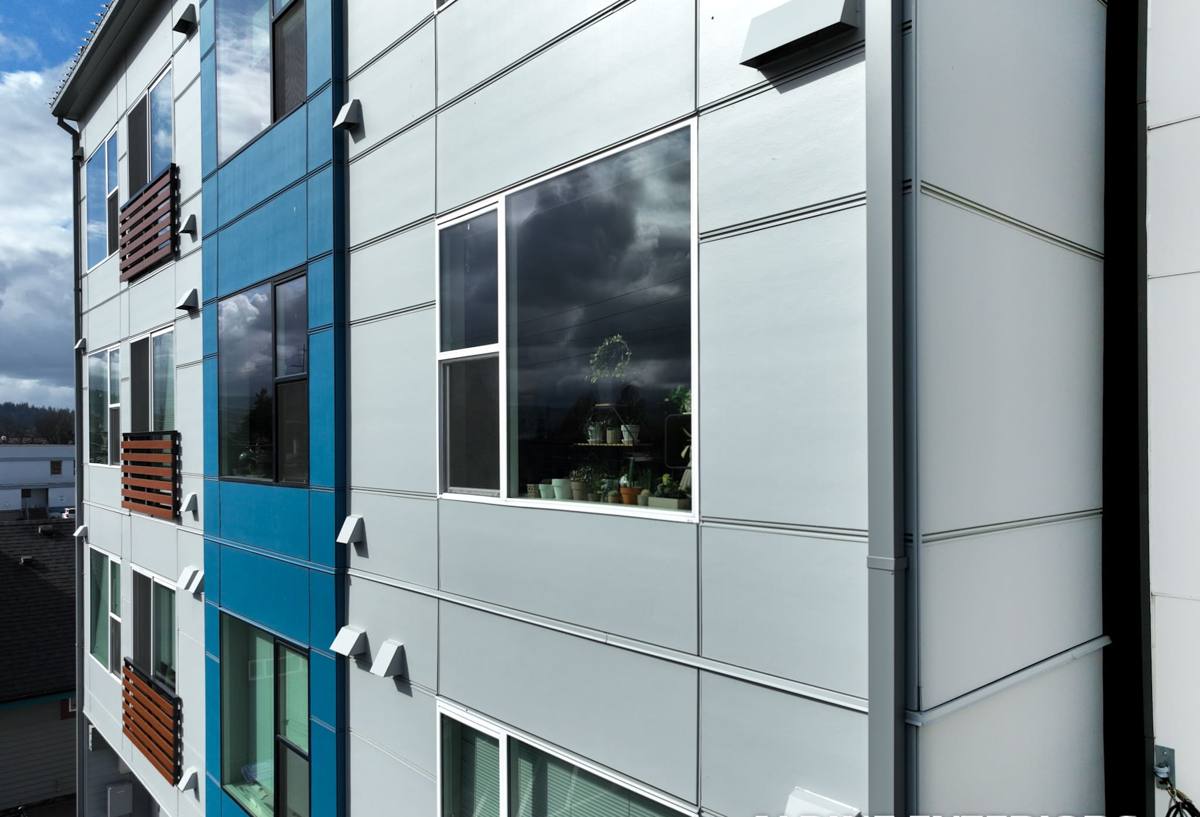
What Whatcom County's Climate Actually Does to Windows
A few local realities shape every window decision we make out here:
- Driving rain: Storms off the water push rain horizontally against west- and south-facing walls, testing flashing and sealant details that a calm-weather install would never expose.
- Salt-influenced coastal air: Proximity to the water means hardware, fasteners, and finishes face more corrosive exposure than homes further inland, which shortens the life of budget-grade components.
- A long moss and mildew season: Shaded, moisture-heavy conditions for much of the year mean any wood trim, sill, or gap that stays damp becomes a growth surface — and eventually a rot problem.
- Persistent humidity: Even without active rain, ambient moisture stays high, so drying time between wet events is short. Details that "mostly work" don't get the chance to dry out before the next storm.
None of this means Silver Beach needs exotic products. It means standard details — flashing sequence, sill pan design, sealant selection, frame material — have to be executed correctly every time, because the margin for a sloppy install is thinner here than in a drier climate.
Signs Your Current Windows Are Working Against You
Homeowners usually call us for one of a few reasons. If any of these sound familiar, it's worth a look:
- Cold drafts near the window frame even when it's fully latched
- Condensation forming between panes, or fogging that won't wipe away — a sign the seal has failed
- Soft or discolored wood at the sill or lower corners of the frame
- Visible moss, algae, or black staining collecting in the frame tracks or exterior trim
- Windows that are difficult to open, close, or lock — often a sign the frame has swollen or shifted
- A noticeably higher heating bill in a room with older single-pane or original-builder-grade windows
Any one of these on its own isn't an emergency. Several together, especially combined with visible sill damage, usually means the window and the flashing behind it are due for replacement, not just repair.
What "Correct" Actually Looks Like
The Window Itself
For this climate, we generally steer homeowners toward dual-pane (and, for west-facing or road-noise-exposed rooms, sometimes triple-pane) units with low-E coatings and inert gas fill, in frame materials that tolerate sustained moisture without warping or rotting. The specific glass package depends on the room's orientation and how much direct weather it takes — a shaded north wall and a storm-exposed west wall don't need identical specs.
The Installation Detail Work
In a marine climate, the window unit is maybe half the job. The other half is what happens around it:
- A properly sloped sill pan that directs any intruding water back outside instead of into the wall cavity
- Flashing tape and building paper integrated in the correct shingle-lap order, so water sheds down and out at every layer
- Sealant applied at the right joints only — sealing the wrong gaps can trap moisture instead of releasing it
- Proper shimming and fastening so the frame stays square and doesn't rack over time, which is what eventually breaks seals and lets drafts in
Skip any of this and you can install the best window on the market and still get rot, drafts, and fogged glass within a few years. This is the part of the job that separates a correct install from a fast one.
Frame Material: What Holds Up Here
| Material | Moisture Tolerance | Maintenance | Typical Fit for Silver Beach |
|---|---|---|---|
| Vinyl | Very good — won't rot or corrode | Low; occasional cleaning | Strong all-around choice for most homes |
| Fiberglass | Excellent — very stable in wet/dry cycling | Low | Good for high-exposure walls; higher upfront cost |
| Aluminum-clad wood | Good on the exterior face; interior wood still needs protection | Moderate | Works where a wood-look interior matters, with careful sealing |
| Bare wood | Poor without diligent upkeep in this climate | High — regular painting/sealing required | We recommend it only where the homeowner is committed to ongoing maintenance |
We're not against wood windows as a category — they have real appeal — but we're upfront that bare wood in a wet, shaded, moss-prone setting like Silver Beach demands a maintenance schedule most homeowners underestimate. If low upkeep matters to you, vinyl or fiberglass will treat you better long-term.
What Drives the Cost
| Factor | Why It Matters |
|---|---|
| Number and size of openings | More glass area and more units means more material and labor |
| Frame material | Fiberglass and premium vinyl cost more upfront than builder-grade vinyl |
| Glass package | Triple-pane and specialty low-E coatings add cost but pay off on the worst-exposed walls |
| Condition behind the existing window | Hidden rot or damaged sheathing found during removal adds repair time before the new window goes in |
| Access and second-story work | Staging and safety setup for upper-floor windows adds labor |
We won't quote a per-window number without seeing the openings — too much of the real cost depends on what condition the framing is in once the old window comes out. What we can promise is a written estimate that separates the window cost from the installation and any needed repair work, so you know exactly what you're paying for.
How We Approach a Silver Beach Job
- On-site assessment: We look at each opening, note orientation, current drafts or damage, and any rot in the sill or surrounding framing.
- Product recommendation by exposure: A storm-facing wall and a sheltered wall don't always need the same spec — we'll tell you where it's worth spending more and where it isn't.
- Careful removal: We check the condition of the sheathing and framing behind the old window before installing anything new.
- Correct flashing and sealing sequence: Sill pan, tape, and sealant applied in the order that actually sheds water in this climate.
- Final check: Operation, seal, and finish work reviewed before we consider the job done.
Choosing a Contractor for This Kind of Work
Window replacement is one of those jobs where a bad install often looks fine for the first year or two, then causes real damage once moisture works its way in behind the trim. A few things worth checking before you hire anyone in this area:
- Ask specifically how they handle sill pan flashing and weather barrier integration — a contractor who can't explain this clearly probably isn't doing it consistently
- Confirm they carry current licensing and insurance for exterior work in Washington
- Ask whether they've worked on homes in your specific neighborhood or similar coastal/marine-exposed conditions
- Get a written estimate that separates product cost from labor and any repair work
- Ask about warranty coverage on both the window manufacturer's side and the installer's workmanship
A crew that already works regularly in Whatcom County's marine climate isn't guessing at flashing details or learning on your house — they've already seen what driving rain and a long moss season do to a poor install, and they build around it from the start.
Maintenance That Actually Extends the Life of Your Windows
Even a correctly installed, well-built window benefits from a little seasonal attention in this climate. Keep weep holes and drainage tracks clear of moss and debris so water can exit as designed. Rinse frames periodically to reduce the buildup of salt-influenced grime and organic growth. Check exterior caulking annually, since UV and constant moisture cycling break down sealant faster here than in drier regions. None of this is heavy work, but skipping it for years is how small issues turn into sill rot.
If your Silver Beach home has drafty, foggy, or sluggish windows — or you're planning ahead before the next wet season sets in — we're happy to take a look and walk you through honest options for your specific openings. Fill out the form below for a free, no-pressure estimate.