 Fairhaven Siding
 Roof Replacement Built for South Hill's Conditions
South Hill sits close enough to Bellingham Bay that roofs here deal with a different set of stresses than roofs ten miles inland. Salt-laden air moves in off the water, driving rain comes sideways during winter storms, and the tree cover that makes the neighborhood so pleasant to live in also means shade, needles, and moisture sitting on the roof deck for months at a time. A roof replacement done right in this part of Whatcom County has to account for all three of those factors at once, not just meet the minimum code requirements for a "standard" Pacific Northwest roof.
We've replaced roofs throughout South Hill and the surrounding Fairhaven area long enough to know which failure patterns show up here specifically: fastener corrosion on homes closer to the water, moss colonies establishing on north-facing slopes shaded by mature trees, and ventilation problems in older homes that were built before current attic airflow standards existed. This page walks through what we look for, what a correct installation involves, and how our process works from first call to final walkthrough.
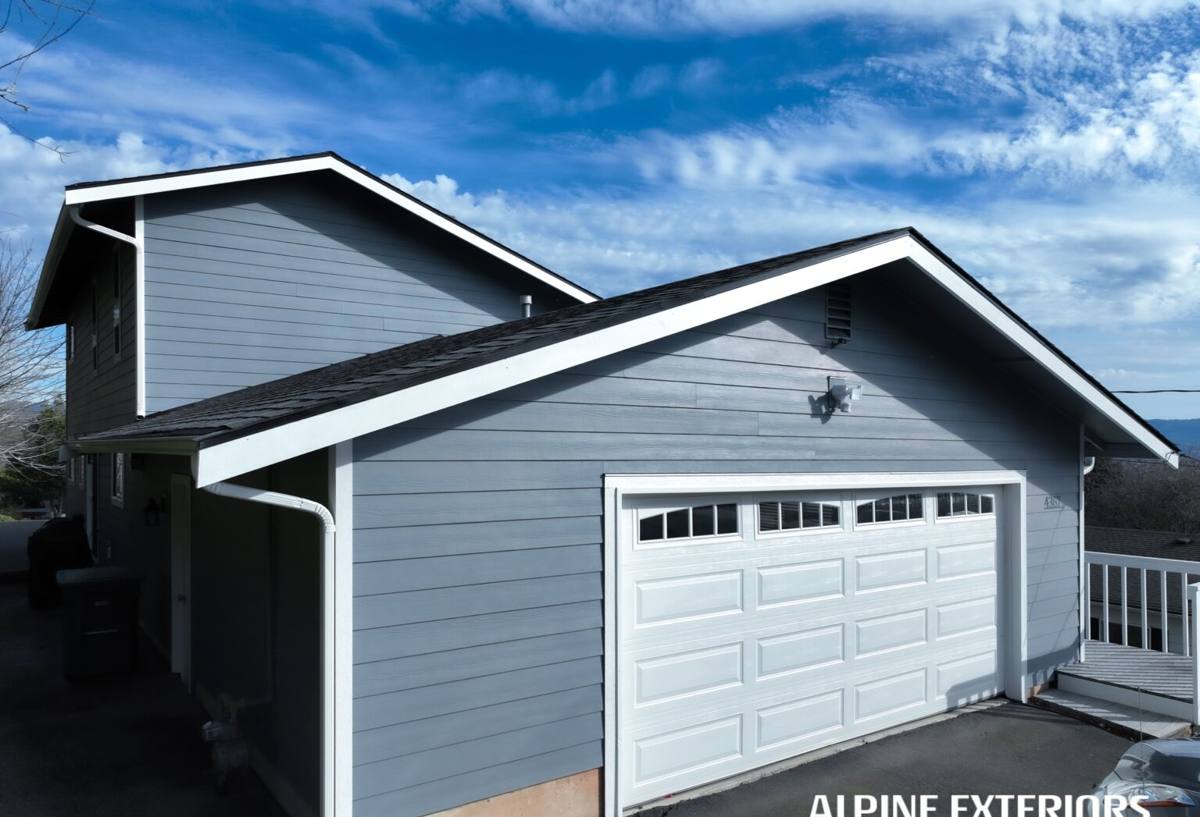
Why South Hill Roofs Wear Differently
Salt Air and Metal Fatigue
Homes on South Hill's western-facing slopes get measurable salt exposure from the bay, even a mile or more inland. Salt air accelerates corrosion on exposed fasteners, flashing, and any galvanized metal that isn't rated for coastal-adjacent exposure. Over years, this shows up as rust streaking below nail heads, pitted flashing at valleys and chimneys, and premature failure of cheaper metal components long before the shingles themselves wear out.
Driving Rain and Wind-Driven Water
Storms coming off the Strait of Georgia don't just drop rain straight down — wind pushes it sideways and up under laps, edges, and poorly sealed penetrations. A roof that would perform fine in a calmer climate can leak here if the underlayment, flashing details, and edge treatments aren't built for wind-driven water specifically. This is one of the most common causes of "mystery leaks" we get called out for on older South Hill roofs.
Moss, Shade, and Moisture Retention
Whatcom County's moss season runs long — realistically most of the year on shaded, north-facing roof planes. Moss holds moisture against the roofing material, lifts shingle edges as it grows, and works its way into seams over time. Homes with heavy tree cover, which describes a lot of South Hill, need roofing materials and detailing that resist moss establishment and make future moss management realistic rather than a constant battle.
Signs a South Hill Roof Needs Replacement, Not Another Repair
- Granule loss heavy enough that you can see bare asphalt on multiple slopes, not just one worn spot
- Moss growth that comes back within a season or two of cleaning, especially on shaded planes
- Soft or spongy spots underfoot during inspection, indicating a compromised deck
- Daylight visible through the attic sheathing, or consistent moisture staining on rafters
- Flashing that's rusted, cracked, or was never properly integrated at valleys, chimneys, or sidewalls
- Multiple past patch repairs that haven't resolved a recurring leak location
- Roof age at or beyond the manufacturer's expected service life for our climate, typically 20-25 years for standard asphalt in this region
- Curling, cupping, or cracked shingles across a broad area rather than isolated damage
A roof showing one or two of these signs might still be a repair candidate. A roof showing several of them, especially combined with age, is usually past the point where patching makes financial sense — you end up paying for repairs that buy a year or two while the underlying deck keeps absorbing moisture.
What a Correct Roof Replacement Actually Involves
A roof replacement is more than stripping old shingles and nailing down new ones. For South Hill homes, we treat each of the following as non-negotiable parts of the job, not upsells:
Full Tear-Off and Deck Inspection
We remove the existing roofing down to the deck on every replacement. This is the only way to actually see what's underneath — soft sheathing, hidden rot around old penetrations, or ventilation gaps that have been covered up for years. Any compromised decking gets replaced before new material goes down; installing new roofing over a bad deck just resets the clock on the same failure.
Underlayment Suited to Wind-Driven Rain
Given how much sideways rain this area sees, we pay close attention to underlayment coverage and lap direction, with synthetic or ice-and-water shield membrane at vulnerable areas like eaves, valleys, and low-slope transitions. This is the layer that protects the deck if wind ever drives water past the primary roofing surface, and it's one of the most commonly shortcut steps in cheaper installations.
Flashing Detail Work
Valleys, chimneys, skylights, and sidewall intersections are where most leaks originate — not the open field of the roof. We use corrosion-resistant flashing appropriate for coastal-adjacent exposure and integrate it properly with the underlayment and roofing material, rather than relying on caulk or sealant to do a flashing detail's job.
Attic Ventilation Review
Poor attic ventilation traps moisture, which accelerates deck rot from underneath and shortens shingle life from above by cooking them in summer heat and trapping condensation in winter. On many older South Hill homes, we find ventilation that was adequate when the home was built but no longer meets current airflow standards. We evaluate intake and exhaust balance as part of every replacement and correct it where needed.
Moss-Resistant Material Choices
For shaded, moss-prone slopes, we discuss options like zinc or copper strips near the ridge and material choices that resist moss establishment better than others. We're honest that no roofing material is moss-proof in this climate — the goal is reducing how often and how aggressively it comes back, and making cleaning safer and less damaging when it does.
How Our Process Works
- On-site inspection. We walk the roof and attic, document existing damage, check ventilation, and identify any deck concerns before quoting anything.
- Written estimate. You get a clear scope of work and price — what's being torn off, what underlayment and flashing are being used, and any deck repair contingencies explained up front rather than as a surprise mid-job.
- Material selection. We go over options suited to your home's exposure, shade level, and budget, including trade-offs between material types honestly.
- Tear-off and deck repair. Old roofing comes off, the deck is inspected, and any needed sheathing repairs are made before anything new goes down.
- Underlayment, flashing, and roofing installation. Installed in the sequence and detail level described above, not shortcuts based on what's fastest.
- Final walkthrough. We review the completed roof with you, confirm ventilation and cleanup, and answer any questions before calling the job done.
Comparing Common Roofing Approaches for South Hill Conditions
| Factor | Standard Asphalt Shingle | Architectural/Dimensional Shingle | Metal Roofing |
|---|---|---|---|
| Moss resistance | Moderate; benefits from zinc strips | Moderate to good depending on product | Good; sheds moisture, less surface for moss to grip |
| Wind-driven rain performance | Good with proper underlayment | Good with proper underlayment | Very good; fewer seams and laps |
| Salt air / coastal exposure durability | Adequate with quality fasteners | Good, typically higher-grade materials | Requires coastal-rated coatings and fasteners |
| Typical service life (this climate) | 15-20 years | 20-25+ years | 40-50+ years with proper install |
| Upfront cost | Lowest | Moderate | Highest |
There's no single "correct" choice for every South Hill home — a shaded, tree-covered lot and an open, wind-exposed lot near the bluff can point toward different materials even on the same street. We walk through these trade-offs with you rather than defaulting to one product line.
Cost Factors Homeowners Should Understand
We don't publish blanket per-square pricing because it's genuinely misleading — two South Hill roofs of the same size can cost very differently based on the factors below. What we can do is explain what actually drives the number:
- Roof pitch and complexity. Steep slopes, multiple valleys, and dormers all add labor and material time compared to a simple gable roof.
- Deck condition. Hidden rot found during tear-off means sheathing replacement, which is a real cost that can't be accurately quoted until the old roofing is off.
- Material tier. Standard asphalt, architectural shingle, and metal represent significantly different price points, as shown above.
- Ventilation corrections. Adding or upgrading intake and exhaust vents is a smaller line item than most homeowners expect, and it protects the investment you're already making.
- Flashing and penetration count. Chimneys, skylights, and multiple roof-wall intersections all add detail work that a simple flat plane doesn't require.
- Access and disposal. Steep or hard-to-access roofs, and the volume of tear-off debris, factor into labor and haul-away costs.
Why Hire a Crew That Already Works South Hill
Roofing crews that mostly work drier, inland climates sometimes under-detail the parts of a roof that matter most here — underlayment coverage at eaves, flashing at valleys, and ventilation balance. A crew that already replaces roofs regularly in Fairhaven and the surrounding Whatcom County area has seen how local homes actually fail over time, not just how a roof is supposed to perform on paper. That translates into decisions made during the job — where to add extra ice-and-water membrane, which flashing details need reinforcing, whether a shaded slope needs moss-resistant treatment — that a generic installation approach would miss.
It also means realistic expectations. We won't tell you a roof will be moss-free forever or that any material is immune to this region's rain patterns. We'll tell you honestly what performs well here, what the maintenance expectations are, and what trade-offs come with each option.
Maintenance After Your New Roof Is Installed
A properly installed roof still benefits from basic upkeep in this climate:
- Keep gutters clear of needles and debris so water has somewhere to go, especially during heavy fall rain
- Have moss growth addressed early on shaded slopes rather than letting it establish for a full season
- Trim back overhanging branches that keep roof sections shaded and damp longer than necessary
- Schedule a visual inspection every few years, particularly after major windstorms
None of this requires a maintenance contract or constant attention — it's the same basic care most Whatcom County homeowners already budget for, just applied consistently.
If your South Hill home's roof is showing its age or you've had recurring leak issues, we're happy to take a look and give you a straight answer about repair versus replacement. Fill out the form below for a free, no-pressure estimate.