 Fairhaven Siding
 Storm Damage Roof Repair Built for South Hill's Weather
South Hill sits close enough to the water that homes here take a different kind of beating than roofs a few miles inland. Salt-laden air corrodes exposed metal faster, driving rain off Bellingham Bay finds every weak seam, and the long wet season that stretches from fall through spring keeps roofs damp for months at a stretch. When a windstorm lifts shingles, a heavy branch cracks a ridge cap, or ice-slick gutters back up and send water under the eaves, the repair needs to account for all of that — not just patch the visible damage and move on.
We've worked on roofs throughout Fairhaven and the South Hill area long enough to know which details get skipped on a rushed repair and which ones actually matter once winter rain sets back in. This page covers what storm damage looks like on South Hill roofs specifically, what a correct repair involves, and how we run the job from first call to final walkthrough.
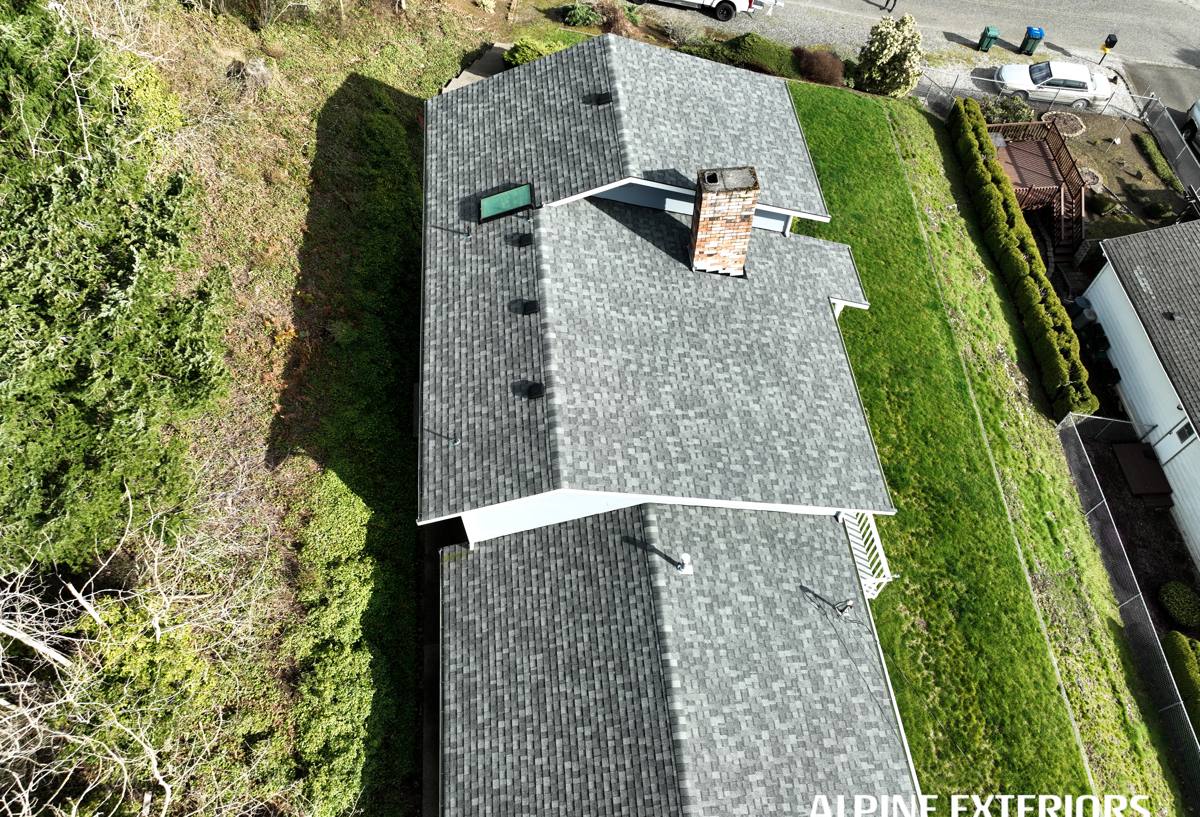
Why South Hill Roofs Take Storm Damage Differently
Salt Air and Metal Fatigue
Flashing, fasteners, and gutter systems near the coast corrode at a noticeably faster rate than the same materials twenty miles inland. A storm that simply loosens a shingle on a drier, inland roof can tear straight through flashing on a South Hill home if that flashing was already thinned by years of salt exposure. Repairs here need new, properly rated fasteners and flashing — not just a re-seat of what's already failing.
Driving Rain and Wind-Driven Water
Storms off the water tend to push rain sideways, not straight down. That means water finds its way under shingle edges, around vents, and behind step flashing in places a calm-weather leak never would. A repair that only addresses the spot where water is showing up inside the house often misses the actual entry point, which can be several feet away, upslope, or on the windward side of a penetration.
Moss and Trapped Moisture
Whatcom County's long moss season isn't just cosmetic. Moss holds moisture against the roof deck and shingles for weeks after a storm passes, which softens shingles, accelerates granule loss, and can rot decking underneath if it's gone unaddressed for a few seasons. Storm damage on a roof that already has moss buildup is rarely an isolated event — the moss has usually been compromising that section's ability to shed water long before the storm made it obvious.
What Storm Damage Actually Looks Like
Homeowners often call about one visible problem, but storm damage rarely shows up as a single clean issue. Here's what we typically find during a South Hill storm inspection:
- Shingles lifted, cracked, or missing entirely — often on the windward slope facing the water
- Flashing pulled loose or bent around chimneys, vents, and skylights
- Granule loss and bruising from wind-driven debris or hail
- Gutters pulled away from fascia or clogged with storm debris, causing water to back up under the roof edge
- Soft or discolored decking visible from the attic where water has been getting through
- Moss mats dislodged by wind, taking shingle granules and surface material with them
- Ridge cap shingles cracked or separated at the peak, a common failure point in high wind
The tricky part is that interior water stains rarely line up directly under the roof failure. Water travels along the underside of the deck or down a rafter before it drips somewhere visible, so a proper inspection traces the path rather than just patching under the stain.
Our Storm Repair Process
- Inspection first, no guessing. We get on the roof (or use a ladder and binoculars if conditions are unsafe) and physically trace the damage — not just look at the ceiling stain and assume.
- Document everything. Photos and notes on what's damaged, what's original wear versus storm-caused, and what's underneath once we open up the affected area. This matters if you're filing an insurance claim.
- Check the decking, not just the shingles. Any spot with sustained water intrusion gets the shingles pulled back so we can see whether the plywood or sheathing underneath is still sound. Soft or delaminating decking gets replaced, not covered over.
- Repair with matched, correctly rated materials. Flashing and fasteners suited to coastal exposure, shingles that match your existing roof as closely as possible so the repair doesn't stand out as a patch.
- Re-seal and re-check adjacent areas. Storm damage often loosens shingles nearby that haven't failed yet. We check the surrounding field, not just the obvious failure point.
- Clean up moss and debris while we're up there. If moss contributed to the problem, we address it as part of the repair rather than leaving it to keep working against the fix.
- Final walkthrough. We show you what we found, what we did, and what to watch for going forward — no surprises after the fact.
Repair vs. Replace: How We Decide
Not every storm-damaged roof needs a full replacement, and not every roof can be safely patched. The honest answer depends on the roof's age, how much of the decking is compromised, and whether the damage is isolated or spread across multiple slopes.
| Factor | Points Toward Repair | Points Toward Replacement |
|---|---|---|
| Roof age | Under 10-12 years, shingles otherwise sound | Near or past expected lifespan already |
| Extent of damage | Localized to one slope or section | Spread across multiple slopes or the whole roof |
| Decking condition | Sound plywood/sheathing under damaged area | Soft, rotted, or delaminated decking found in multiple spots |
| Moss history | Minor buildup, roof otherwise well-maintained | Years of untreated moss with granule loss across the field |
| Shingle match | Discontinued or faded shingles hard to blend visually is a cosmetic tradeoff, not a functional reason to replace | Combined with other factors, may tip the decision toward a full replace for uniform appearance |
If a repair is the honest answer, we'll tell you that — patch jobs are faster and cheaper, and there's no reason to sell a South Hill homeowner a full roof when a section repair will hold up. If the damage or underlying decking condition means a patch would just fail again next storm season, we'll explain exactly why and what your options are.
What a Repair Typically Costs
Costs vary a lot depending on how much decking needs replacing, the type and pitch of the roof, and how accessible the damaged area is. As a broad range, minor flashing or shingle repairs tend to run in the low hundreds to around a thousand dollars; larger sections involving decking replacement or multiple penetrations can run several thousand. We'll give you a firm number after inspection — not a phone estimate based on guesswork.
Insurance Claims: What We Can and Can't Do
Many storm repairs on South Hill roofs get covered, wholly or partly, by homeowner's insurance. We're not your insurance adjuster and won't pretend to be, but we can:
- Provide clear photo documentation of the damage and its likely cause (wind, impact, water intrusion)
- Write up a straightforward description of what we found and what repair we recommend
- Meet an adjuster on-site if that's useful to you
- Give you an honest answer if we think the damage predates the storm, rather than shaping our report to fit a claim
That last point matters. We'd rather tell you the truth about what caused the damage than write something that gets your claim approved but doesn't hold up to scrutiny.
After the Repair: What Actually Keeps a South Hill Roof Sound
A good repair buys you time, but Whatcom County's climate keeps working on your roof year-round. A few habits make a real difference:
- Clear moss buildup before it spreads — early, light growth is a quick fix; thick mats mean lifted shingles and trapped moisture
- Keep gutters clear, especially heading into fall storm season, so water isn't backing up under the roof edge
- Have flashing checked every couple of years, since it's usually the first thing to fail in salt air, well before the shingles themselves
- Walk the attic after any major storm and look for new water stains, even small ones, rather than waiting for a visible ceiling leak
- Trim back branches that overhang the roof — falling limbs are one of the most common causes of storm damage we see locally
Why Hire a Crew That Already Works South Hill
Roofing crews unfamiliar with the coastal side of Whatcom County sometimes miss the salt-air factor entirely — using standard-grade fasteners or flashing that's fine inland but corrodes fast here. They may also underestimate how much moss contributes to a roof's condition, treating it as a separate cosmetic issue rather than part of the storm damage picture. Knowing the local weather pattern — where wind-driven rain tends to hit hardest, how long roofs stay wet after a storm, what a normal amount of moss looks like versus a real problem — means less guessing and a repair that's built for the conditions it'll actually face, not generic conditions somewhere else.
Get a Straight Answer on Your Roof
If a recent storm left you with missing shingles, a slow leak, or just some uncertainty about what shape your roof is really in, we're happy to take a look. We'll give you a clear picture of what we find, an honest recommendation, and a free, no-pressure estimate — no obligation, no upsell. The form below gets you started.