 Fairhaven Siding
 Siding Replacement in Sudden Valley: What the Local Climate Actually Does to a House
Sudden Valley sits inside Whatcom County's marine climate, which means homes here deal with a long wet season, persistent humidity, and shade from mature tree cover that keeps moisture sitting on exterior walls longer than it would in a drier part of the state. Add in the driving rain that comes through with winter storm systems off the Salish Sea and the salt-tinged air that rides inland on those same storms, and you have a combination that is hard on any siding material that isn't built to shed water and resist rot. Moss is the most visible sign of this: north-facing walls, areas under eaves, and anything shaded by trees can grow moss within a season or two if the siding surface and the water management behind it aren't doing their job.
Replacing siding here isn't just a cosmetic decision. It's an opportunity to fix whatever let moisture in over the years and to put a product in place that's actually engineered for this climate, rather than one that will start showing the same problems again in five or ten years.
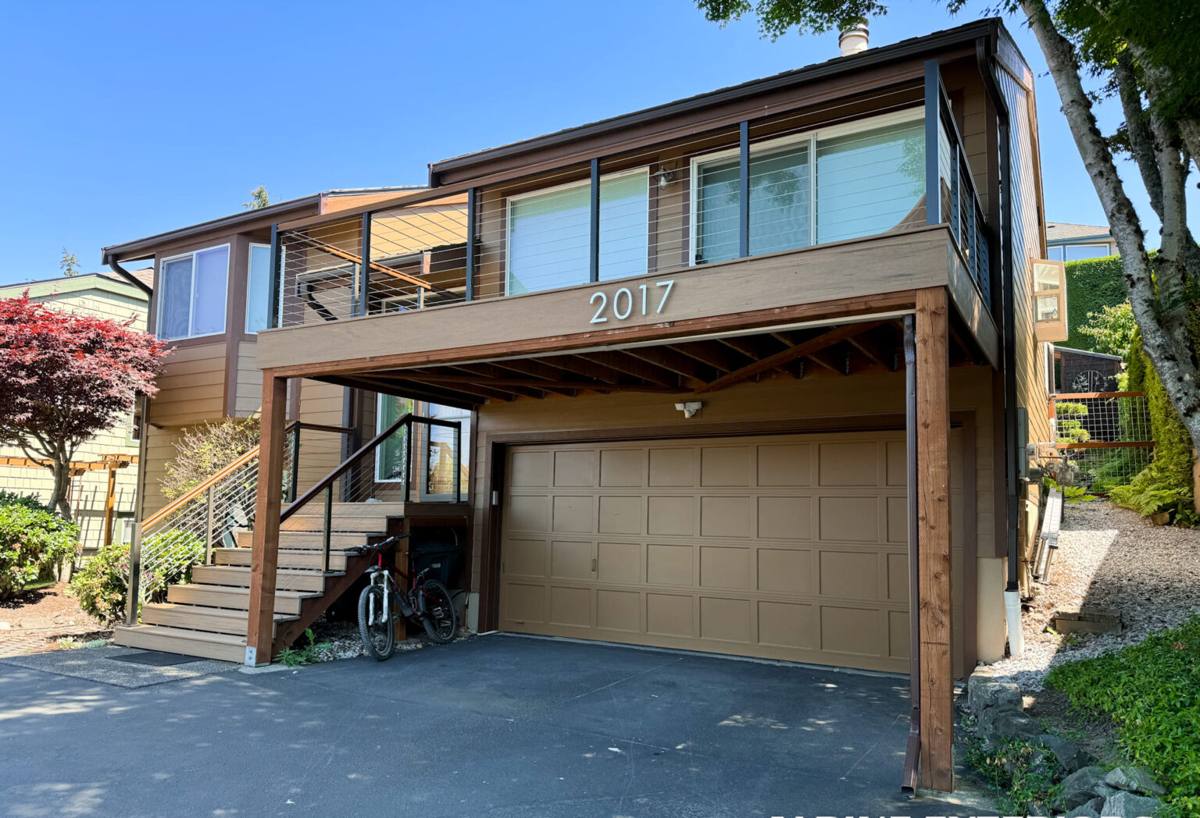
Signs a Sudden Valley Home Needs Siding Replacement, Not Just a Patch
Homeowners often call us after noticing one obvious problem, but a proper inspection usually turns up more going on underneath. Things we look for on siding replacement calls in this area include:
- Soft or spongy spots when you press on the siding, especially near the bottom courses close to grade
- Moss or dark streaking that keeps coming back within a season of cleaning
- Visible cupping, warping, or delamination, common on older wood-based or engineered wood products
- Paint that won't hold — blistering, peeling, or needing repainting every few years
- Gaps at seams, corners, or trim where caulking has failed and water can track behind the siding
- Rot at window and door casings, or soft trim boards near roof-to-wall transitions
Any one of these can be a localized repair. Several of them together, especially on a home that's had multiple recent repairs, usually means the siding system as a whole has reached the end of its useful life and a full replacement is the more honest recommendation.
Why We Install Only James Hardie Fiber Cement
We made a decision as a company to install one siding system: James Hardie fiber cement. We don't install vinyl, LP SmartSide, primed spruce, cedar, or other fiber cement brands. That's not a marketing line — it's a practical response to what we see on siding replacement jobs throughout Whatcom County, including Sudden Valley.
Wood and engineered wood products can look good going in, but they depend heavily on paint film and perfect detailing to keep moisture out, and in a climate with this much sustained dampness and moss pressure, that margin for error shrinks fast. Vinyl sheds water differently and can perform fine in some climates, but it isn't non-combustible, it can distort under strong heat exposure, and it doesn't hold paint or accept the same factory-baked color durability that fiber cement does. Fiber cement itself varies by manufacturer, and Hardie's ColorPlus factory finish, HZ climate-specific formulations, and long, transferable warranty are the reasons we standardized on that one product rather than carrying multiple lines. When we tell a Sudden Valley homeowner what we recommend, we're recommending the same product we'd put on our own home in this same climate.
What a Correct Siding Replacement Job Actually Involves
The siding itself is only part of the system. Most siding failures we find during tear-off in this area trace back to what was — or wasn't — done underneath the old siding, not the material itself. A correct replacement addresses the whole wall assembly:
Tear-Off and Inspection
Full removal of the old siding down to the sheathing, with a real inspection of the wall for rot, soft sheathing, or prior water damage. This is the point where problems that have been hidden for years finally show themselves, and it's the only honest time to fix them — covering over rotten sheathing with new siding just repeats the failure on a schedule.
Water-Resistive Barrier and Flashing
A properly lapped weather-resistive barrier, correctly integrated flashing at windows, doors, and any roof-to-wall intersections, and drainage planes that let incidental moisture escape rather than sit against the sheathing. In a climate with as much driving rain as this one gets, this layer matters as much as the siding itself.
Fastening and Clearances
Hardie siding installed to the manufacturer's fastening schedule, with correct nail placement and the ground and roof clearances the product requires — these clearances exist specifically to keep splashback and standing moisture away from the bottom edge of the siding, which is where we see the most moss and rot on older installs.
Trim, Caulking, and Finish
Compatible trim materials, sealed joints where the manufacturer calls for sealant (and left open where it doesn't — over-caulking can trap moisture just as easily as under-caulking), and a factory-finished or properly field-painted surface with no exposed raw edges.
Choosing the Right Hardie Product Line for This Climate
James Hardie makes climate-specific formulations, and for Whatcom County that means the HZ5 product line, engineered for regions with freeze-thaw cycling and sustained moisture exposure. Within that, homeowners typically choose between a few plank styles and finishes:
| Product | Best Fit | Notes for Sudden Valley Homes |
|---|---|---|
| HardiePlank Lap Siding | Most single-family homes | Available in several textures; ColorPlus finish holds up well against moss staining and sun fade |
| HardieShingle | Accent gables, dormers | Good for breaking up larger wall planes on wooded lots |
| HardieTrim | Corners, window and door casing | Matched material avoids the mismatched expansion issues you get mixing wood trim with fiber cement field siding |
| HardiePanel | Modern/vertical designs | Works well where the home has contemporary architectural lines |
ColorPlus factory-applied color is worth calling out specifically for this area: it's baked on and backed by its own finish warranty, which matters where moss, algae, and sustained shade would otherwise wear down field-applied paint faster than in a drier climate.
Our Process, Start to Finish
Homeowners generally want to know what's actually going to happen once they sign off on a project. Our process on Sudden Valley siding replacements runs:
- On-site assessment — we walk the exterior, check problem areas you've flagged, and look at trim, roof-to-wall details, and grade clearances that affect the whole system, not just the siding panels
- Written estimate — scope, product line, and a real cost range, with any sheathing or repair contingencies explained up front rather than discovered as a surprise change order
- Material order and scheduling — timed around the wet season where possible, since tear-off exposes the wall assembly and we want dry windows for that stage
- Tear-off and wall inspection — this is where hidden rot or prior water damage gets addressed before anything new goes on
- Weather barrier, flashing, and siding installation — installed to Hardie's fastening and clearance specifications
- Final walkthrough — trim, caulking, and finish checked against the original scope before we call the job done
What to Ask Any Contractor Before Hiring for Siding Replacement
Whatcom County has a lot of contractors offering siding work, and not all of them are equally rigorous about the details that matter in this climate. Before hiring anyone for a Sudden Valley siding replacement, it's worth asking:
- Are they licensed and insured in Washington, and can they show proof without hesitation
- Do they install to the manufacturer's written fastening and clearance specifications, or their own shortcuts
- Will they inspect and address sheathing and framing issues found during tear-off, or just cover over them
- Do they have recent experience specifically in this area, familiar with how moss and moisture behave on local lots
- Is the warranty they're offering tied to a manufacturer-backed product, or just their own labor guarantee
- Will they give you a written scope before starting, including what happens if hidden damage is found
Why Local Experience in Sudden Valley Specifically Matters
A crew that has worked this area repeatedly knows which wall orientations tend to hold moss, which older homes commonly have thin or undersized flashing details from when they were built, and how tree cover on a given lot affects drying time after a storm. That's not something you can fully substitute with a generic siding checklist — it comes from having actually torn into walls in this specific community and seen what's underneath. It also means fewer surprises during the job, because the crew has already seen the common failure patterns that show up on homes in this part of Whatcom County.
If your siding is showing moss, soft spots, or repeat paint failures, it's worth getting a straightforward look at what's actually going on before deciding between another round of patching and a full replacement. We offer free, no-pressure estimates for Sudden Valley homeowners — use the form below to get one scheduled.