 Fairhaven Siding
 Storm Damage Roof Repair Built for Sudden Valley Conditions
When a windstorm rolls through Whatcom County, Sudden Valley homes take it on the roof first. Steep-pitched roofs, mature tree cover, and long stretches of wet weather mean storm damage here rarely announces itself with a hole you can see from the driveway. More often it starts small — a lifted shingle tab, a bent piece of flashing, a gutter pulled loose by wind — and gets worse every time it rains again before anyone looks at it. This page covers what storm damage repair actually involves for homes in and around Sudden Valley, and what a correct repair looks like versus a patch job that fails again next season.
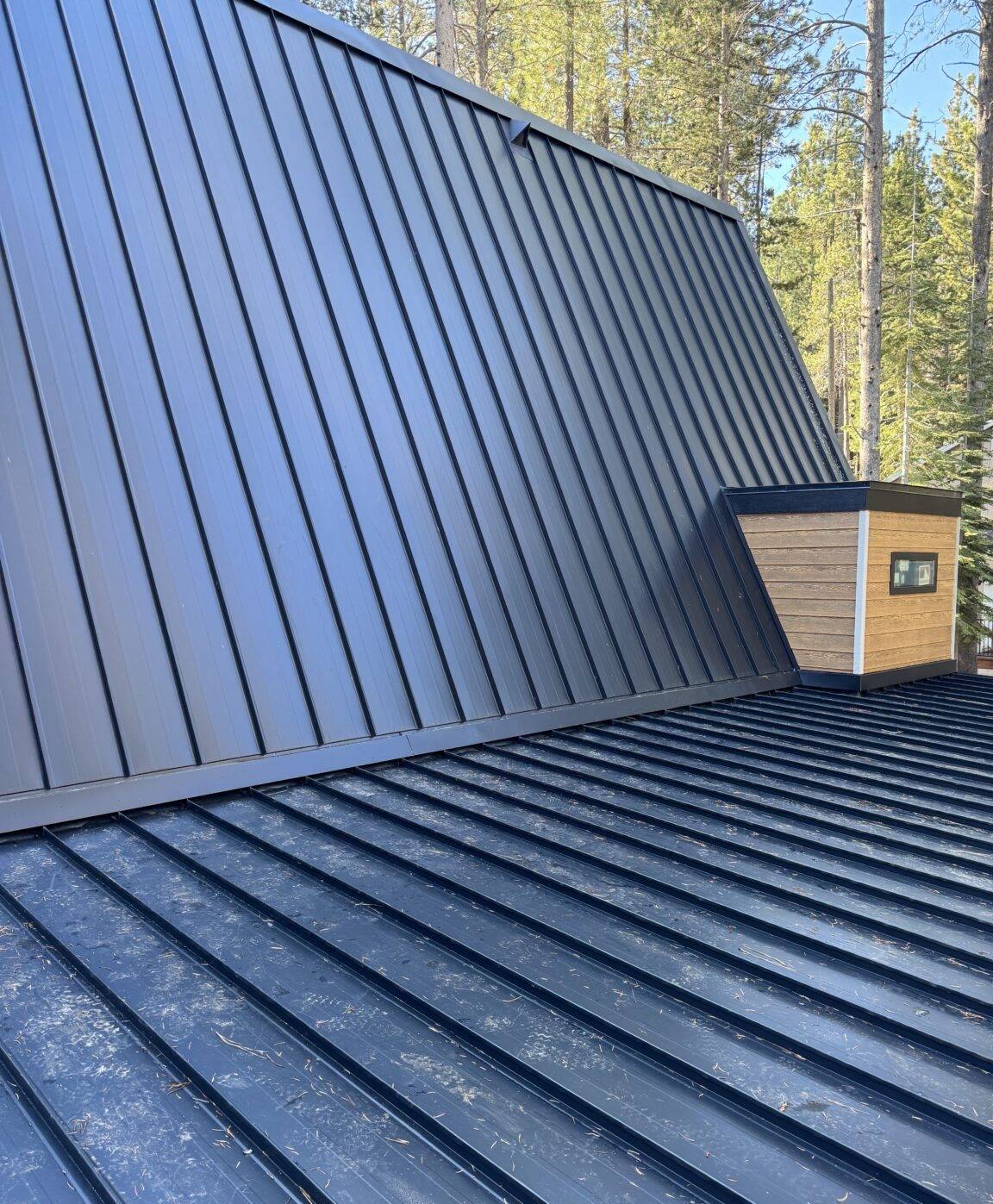
Why Storms Hit Sudden Valley Roofs Hard
Whatcom County weather isn't dramatic very often, but it's persistent, and persistence is what wears a roof down. Sudden Valley sits in a landscape of steep terrain and heavy tree cover, which changes how storm damage shows up compared to a wide-open lot.
Wind and Driving Rain
Storms coming off the water push wind-driven rain sideways, not straight down. That matters because most roofing materials are designed to shed water moving downhill, not water being forced sideways or upward under a shingle edge. A roof that's fine in a normal rain can still take on water during a windstorm if flashing, ridge caps, or shingle seals are even slightly compromised. Wind gusts through the trees around Sudden Valley also load roofs unevenly — one slope takes the brunt of it while the other stays dry, which is why storm damage is often confined to one section of a roof rather than spread evenly.
Moss, Shade, and a Long Wet Season
Whatcom County's moss season runs long, and Sudden Valley's tree cover keeps roofs shaded and damp well after a storm has passed elsewhere. Moss and organic debris hold moisture against shingles and under flashing, which softens materials and makes them more likely to tear or lift in the next windstorm. A roof that's already dealing with moss buildup is more vulnerable to storm damage than a clean one — it's not just a cosmetic issue, it's a structural one over time.
Salt Air and Coastal Influence
This part of Washington sits close enough to the water that salt-laden air and coastal humidity are part of the picture for exposed metal, fasteners, and flashing on a lot of area roofs. Salt air accelerates corrosion on nails, flashing, and vents, which is one more reason storm damage repairs need materials matched to the region rather than whatever's cheapest at a big-box store.
What Counts as Storm Damage
Not all storm damage looks like a tarp-worthy emergency. We treat all of the following as storm damage that needs attention:
- Shingles that are lifted, cracked, creased, or missing after high wind
- Flashing around chimneys, skylights, or roof valleys that's been bent, pulled loose, or separated
- Gutters and downspouts torn away or pulled off their fasteners
- Punctures or bruising from falling branches or debris
- Soft spots or discoloration on interior ceilings that appear after a storm, even with no visible roof damage from the ground
- Granule loss that leaves shingles thin and more vulnerable to the next storm
That last one trips people up. A roof can survive a storm without an obvious hole and still come out of it weaker than it went in. That's why we recommend an inspection after any significant windstorm, even if nothing looks wrong from the yard.
What a Correct Repair Actually Involves
Inspection Before Anything Gets Touched
A proper storm damage repair starts on the roof, not with a quote written from the ground. We look at the full slope the wind hit, not just the spot the homeowner points out, because wind damage in Sudden Valley's terrain tends to run in a pattern — if one shingle lifted, the ones around it usually took stress too, even if they haven't failed yet. We also check flashing, valleys, and any penetration points (vents, chimneys, skylights), since those are where storm-driven water gets in even when the shingle field looks intact.
Repair vs. Replace — an Honest Read
Most storm damage is a repair, not a full roof replacement, and we say that plainly rather than upselling. The decision comes down to a few things: how much of the roof is affected, how old the existing roofing is, whether the damage is isolated or a sign the whole roof is near the end of its service life, and whether matching materials are still available for a clean patch. If a roof is old enough that a storm repair would be a temporary fix on a system that's failing anyway, we'll tell you that directly instead of doing a patch that doesn't last.
Matching Materials, Not Just Covering the Hole
A repair that doesn't match the surrounding roofing in material, color, and installation method creates a weak seam — exactly the kind of spot that fails first in the next storm. We match shingle type, exposure, and fastening pattern to the existing roof, and we use flashing and underlayment suited to this region's wet, salt-influenced climate rather than the minimum-spec materials that show up in cheap patch jobs.
Our Process for Sudden Valley Storm Repairs
- Assessment: A full roof inspection, not just the damaged spot, including flashing, valleys, and attic signs of moisture intrusion.
- Documentation: Photos and a written scope of the damage — useful for your own records and for any insurance claim you file.
- Temporary protection: If there's an active leak or exposed decking, we get it covered and dry before doing permanent work.
- Repair plan: A clear explanation of what's being repaired, what materials are being used, and why — no vague line items.
- The repair itself: Removal of damaged material, inspection of the decking underneath (storm water sometimes reaches wood that needs to be addressed before new roofing goes down), and a matched, properly flashed repair.
- Final check: A walk-through so you know exactly what was done and what to watch for going forward.
What Storm Damage Repair Typically Costs
Costs vary a lot based on scope, so treat this as a general guide rather than a quote. Isolated flashing or small shingle repairs tend to run a few hundred dollars. Larger sections — a full slope, or repair combined with decking replacement — can run into the low thousands. Full roof replacement, when the storm damage reveals a roof that was already near the end of its life, is a separate conversation with its own pricing.
| Factor | Effect on Cost | Why It Matters Here |
|---|---|---|
| Extent of damage | Isolated spot vs. whole slope | Wind damage from Sudden Valley storms often clusters on one exposed side of the roof |
| Roof pitch and access | Steeper, taller roofs cost more to work safely | Common with the terrain and home styles in this area |
| Decking condition | Wet or soft decking adds material and labor | Long wet seasons and moss increase the odds of hidden moisture damage |
| Material matching | Discontinued or uncommon materials cost more to match | Older roofs may need a closer color/style match to avoid a patchwork look |
| Insurance involvement | Documentation requirements can add time, not necessarily cost | Most storm claims in this area are handled the same way we handle any repair |
Working With Your Insurance Claim
Most storm damage repairs we do for Sudden Valley homeowners involve an insurance claim, and we're used to working alongside that process. We document damage clearly enough to support a claim, we're straightforward with adjusters about what's storm-related versus what's pre-existing wear, and we won't inflate a scope of work to pad a claim — that approach causes problems for homeowners down the line, not savings. If you're not sure whether your damage is worth filing a claim over, we'll give you an honest read before you make that call.
What to Do Right After a Storm
- Do a visual check from the ground for obvious missing shingles, dented gutters, or debris on the roof — don't get on the roof yourself
- Check attic spaces or top-floor ceilings for new stains, damp spots, or musty smell
- Photograph anything visible before cleanup crews or landscapers move debris
- Avoid DIY tarping on steep or wet roofs — this is one of the most common ways storm damage turns into a fall injury
- Call for an inspection even if nothing looks obviously wrong — wind damage is often hidden until the next hard rain
- Keep receipts and notes if you do any temporary protective measures yourself, for insurance purposes
Why a Crew That Already Works Sudden Valley Matters
Storm damage repair isn't just a roofing skill — it's a familiarity skill. A crew that already works in Sudden Valley knows how the terrain channels wind, which roof orientations take the worst of a given storm, and how moss and moisture behave on shaded, tree-covered lots in this part of Whatcom County. That familiarity means faster, more accurate assessments and repairs that account for what's likely to happen next season, not just what failed this time. It also means someone who can get out to your property without a long drive when storm damage needs to be assessed before the next round of rain.
If your roof took a hit in a recent storm — or you're not sure whether it did — we're happy to take a look and give you a straight answer. Reach out for a free, no-pressure estimate using the form below.