 Fairhaven Siding
 Window Replacement Built for Puget's Climate, Not a Generic One
Puget sits close enough to Bellingham Bay that salt-laden air is a constant, low-grade factor in how building materials age here. Add Whatcom County's long wet season, driving rain off the water, and the moss and mildew growth that comes with months of shade and moisture, and you get a climate that's genuinely harder on windows than most manufacturers' warranty language assumes. A window replacement job that would hold up fine in a dry inland climate can fail early in Puget if the flashing, sealants, and frame material weren't chosen with this specific environment in mind.
This page is about one job, done right, in one area: replacing windows on homes in and around Puget, near Fairhaven, Washington. Not a general overview of window brands — a straight explanation of what local conditions do to windows, what a correct installation actually requires here, and how we run the job from estimate to final walkthrough.
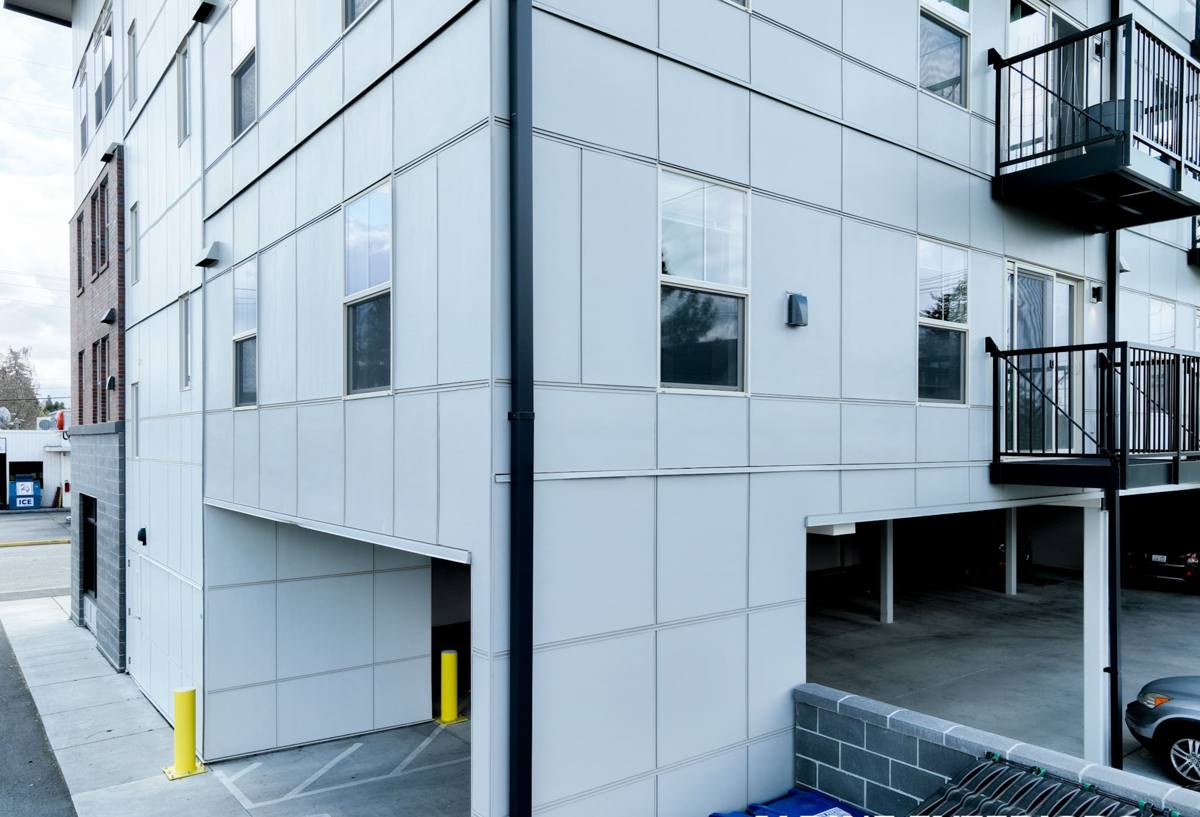
What Salt Air, Rain, and Moss Actually Do to Windows Here
Every coastal Whatcom County home deals with some version of the same slow damage cycle. It's worth understanding before you decide what to replace your windows with.
Salt Air and Metal Components
Salt-laden air accelerates corrosion on anything metal — window hardware, screen frames, and especially older aluminum sash frames. Aluminum window frames without a thermal break or a marine-grade finish tend to pit and corrode faster this close to the bay than they would twenty miles inland. This doesn't mean aluminum is off the table, but it does mean the finish and hardware grade matter more here than in a typical spec sheet.
Driving Rain and Wind-Driven Water
Fairhaven's exposure to storms coming off the water means rain doesn't always fall straight down — it gets pushed sideways into wall assemblies and window openings. A window that's watertight in a still-air test can still leak here if the flashing and sill pan weren't detailed for wind-driven rain. This is one of the most common failure points we find when we pull out old windows: water damage isn't from a bad window, it's from water finding its way around the window because of thin or missing flashing.
Moss, Mildew, and the Long Wet Season
Whatcom County's extended damp season keeps wood trim and sills wet for long stretches at a time. On north- and west-facing walls especially, moss and mildew can take hold on sills, casing, and any wood component that doesn't get enough sun or airflow to dry out between rains. Over years, that moisture cycling is what actually rots wood window components — not one big storm, but repeated small soakings that never fully dry.
Signs a Puget Home's Windows Need Replacing
Homeowners in this area often notice a mix of these signs before deciding to replace windows. If you're seeing two or more, it's worth a look before winter storm season sets in.
- Fogging or a permanent haze between double-pane glass (seal failure — this cannot be fixed, only replaced)
- Soft, spongy, or visibly rotted wood at the sill or lower corners of the frame
- Green or black growth on the sill or casing that returns shortly after cleaning
- Drafts or a noticeable temperature difference near the window even when it's closed and latched
- Difficulty opening, closing, or locking — often a sign the frame has swollen, warped, or shifted
- Visible corrosion, pitting, or chalky white residue on aluminum frames or hardware
- Peeling paint or bubbling on interior trim around the window, which usually points to moisture getting in somewhere
- A noticeable rise in heating costs without another clear cause
What a Correct Window Replacement Job Actually Involves
Swapping an old window for a new one is the easy part. The part that determines whether the job lasts fifteen years or fails in three is almost entirely in the details around the window opening — details that matter more in a wet, salt-air climate than almost anywhere else in the state.
Flashing and Water Management
Every opening gets a sloped sill pan and properly lapped flashing tape integrated with the home's existing water-resistive barrier — not just caulked around the edges. Caulk is a backup, not a strategy. Given how much wind-driven rain this area sees, we treat flashing sequence as the most important step in the whole job, not an afterthought.
Air Sealing and Insulation
The gap between the new window frame and the rough opening needs to be sealed and insulated correctly — not overpacked with rigid foam (which can bow a frame) and not left with gaps (which invites both drafts and moisture-laden air into the wall cavity). We use low-expansion foam or backer rod and sealant appropriate to the gap size.
Frame Fastening and Squaring
A window that isn't shimmed and fastened square will bind, won't seal well against its own weatherstripping, and will stress the glass seal early. This is a slow, checked-twice step, not a quick one.
Trim, Caulking, and Final Weatherproofing
Exterior caulking uses a sealant rated for sustained UV and moisture exposure, not a general-purpose caulk that shrinks and cracks within a couple of seasons. Interior and exterior trim gets reset or replaced as needed so the whole assembly — not just the window unit — is doing its job.
Choosing the Right Frame Material for a Puget Home
There's no single "best" window material — the right choice depends on the wall's sun exposure, your maintenance appetite, and budget. Here's an honest comparison based on how each material actually holds up in this specific climate.
| Frame Material | Salt Air / Moisture Performance | Maintenance | Typical Cost Range |
|---|---|---|---|
| Vinyl | Good — won't corrode or rot; seams and welds are the main long-term watch point | Low — occasional cleaning | Lower to mid |
| Fiberglass | Very good — dimensionally stable in wet/dry cycling, resists corrosion | Low | Mid to higher |
| Wood / Wood-Clad | Fair — needs a well-maintained exterior cladding or finish to keep moisture off bare wood | Higher — periodic refinishing or clad inspection | Higher |
| Aluminum (thermally broken) | Fair to good with marine-grade finish and hardware; standard-grade aluminum corrodes faster here | Moderate — hardware and finish checks | Mid |
For most homes in and around Puget, we steer clients toward vinyl or fiberglass for exterior-facing rooms exposed to weather off the bay, simply because they hold up with the least ongoing upkeep. Wood-clad windows still make sense for homeowners who want a specific interior look and are willing to keep up with maintenance — that's a legitimate trade-off, not a wrong choice, as long as it's made with eyes open.
Our Process, Start to Finish
- On-site assessment. We look at each window opening individually — sun exposure, current flashing condition, any visible rot or corrosion — rather than quoting off a generic template.
- Honest recommendation. We tell you which frame material and glass package make sense for that specific wall and your budget, and why, including where a cheaper option is genuinely fine.
- Written estimate. Clear scope, materials, and timeline before any work starts. No pressure to decide on the spot.
- Removal and opening inspection. Once the old window is out, we check the rough opening for hidden water damage before installing anything new — this is often where real problems surface.
- Flashing, sill pan, and window installation. Done in the sequence described above, weather permitting.
- Insulation, trim, and final sealing. Interior and exterior finish work to match the rest of the home.
- Walkthrough. We check operation, locks, and seals with you before calling the job done.
Why It Matters That We Already Work in Puget and Fairhaven
A crew that only occasionally works this close to the water tends to treat every job like a standard inland install — same flashing detail, same sealant, same assumptions about how much moisture the wall will see. A crew that works Puget and Fairhaven regularly knows which walls take the worst of the weather off the bay, which older homes in the area are more likely to have outdated flashing or wood rot behind the trim, and how to sequence work around this region's rain patterns so materials aren't installed wet or under a fresh coat of moisture.
That local familiarity also shows up in smaller ways — knowing realistic lead times for materials in this area, understanding typical permitting expectations in Whatcom County, and having already seen how different frame materials from past local jobs are actually holding up years later, not just in a manufacturer's brochure.
Timing the Job Around Local Weather
Window replacement can be done for most of the year here, but scheduling around Whatcom County's wettest stretches reduces risk and keeps the job moving efficiently. We plan installation windows around forecasted dry stretches whenever possible, and we don't leave openings exposed longer than necessary — each opening is protected and sequenced so it's not sitting open overnight in the rain. If a section of the job needs to pause for weather, we'll tell you plainly rather than rushing a step that affects how well the window seals for the next fifteen-plus years.
What This Costs to Get Right
Costs vary by opening size, frame material, glass package, and how much flashing or trim repair is needed once the old window comes out — which is exactly why we do an on-site assessment before quoting rather than pricing over the phone. Broadly, expect vinyl replacements to run lower per window, fiberglass a step up, and wood or wood-clad higher still, with additional cost if we find rot or flashing issues behind the old unit that need addressing before the new window goes in. We'll flag that kind of extra work before we do it, not after.
If your Puget-area home has windows showing any of the signs above, or you'd just like a straight assessment of what shape your current windows are in, we're glad to take a look. The estimate is free, there's no pressure to sign anything on the spot, and you'll get a clear answer about what your home actually needs — use the form below to get started.