 Fairhaven Siding
 Roof Replacement for York Homes in Fairhaven
Roofs in the York neighborhood don't fail because of one big storm. They fail slowly, from a climate that never really lets a roof dry out and rest. Whatcom County sits at the edge of Bellingham Bay, which means homes here deal with salt-laden air, long stretches of driving rain, and a moss season that can run eight or nine months out of the year. A roof that would last three decades in a drier inland climate often needs attention in York a good deal sooner, especially if it was installed without those conditions in mind.
This page covers what roof replacement actually looks like for a York home: how to tell you're past the point of patching, what a correct tear-off and re-roof involves, which materials make sense here, and how we run the job from estimate to final cleanup.
Why York Roofs Wear the Way They Do
Three things drive most of the roof replacements we do in this part of Fairhaven and the surrounding Whatcom County area:
Salt Air
Proximity to Bellingham Bay means airborne salt settles on roofing metal, fasteners, and flashing year-round. Untreated or poor-grade metal components corrode faster here than they would twenty miles inland. It's not usually dramatic — it shows up as rust streaking at valleys, pitted flashing, and fasteners that back out early.
Driving Rain
Wind-driven rain off the Sound doesn't just fall straight down — it gets pushed sideways under shingle tabs, around chimney flashing, and into any gap in the underlayment. A roof system built for calm-weather rain doesn't hold up the same way here. Underlayment choice and flashing detail matter more in York than they would somewhere with lighter, more vertical rainfall.
Moss Season
Shade, moisture, and mild temperatures give moss a long growing window in Whatcom County. Moss holds water against the roof surface, works its way under shingle edges, and lifts granules as it grows. A roof that's shaded by mature trees — common in older York lots — can develop moss within a couple of years of installation if the original roofer didn't plan for it.
Repair or Replace? Reading the Signs
Not every roof problem means a full replacement, but in this climate, patch jobs on an aging roof often buy less time than homeowners expect. Here's what tells us a York roof has crossed from "repairable" into "replace" territory:
- Granules collecting in gutters or at downspout outlets in noticeable amounts
- Shingles that are curling, cupping, or cracking across multiple slopes, not just one spot
- Moss growth that comes back within a season of cleaning, especially on north-facing slopes
- Daylight visible through the roof deck from the attic, or damp sheathing after a rain event
- Multiple existing layers of shingles (a second layer limits repair options and hides deck condition)
- Recurring leaks at the same valley, chimney, or skylight despite prior repairs
- The roof is 20+ years old and has never been fully inspected from the attic side
If you're only seeing one or two of these, a repair may genuinely be the right call — we'll tell you that on the estimate visit rather than push a replacement you don't need yet.
What a Correct Roof Replacement Involves
A roof replacement is only as good as what's underneath the shingles. In a climate like Fairhaven's, the components most homeowners never see — deck condition, underlayment, ventilation, and flashing — matter more than the shingle color.
Tear-Off and Deck Inspection
We remove existing roofing down to the deck rather than layering over old material. That lets us actually see the plywood or plank sheathing underneath, replace any sections that are soft, delaminated, or water-stained, and confirm the deck is fastened properly before anything new goes down. Skipping this step is the most common shortcut that leads to early failure.
Underlayment and Water Barrier
Given how much wind-driven rain York roofs see, we don't treat underlayment as an afterthought. Synthetic underlayment across the full roof, with self-adhered ice-and-water membrane at valleys, eaves, and around every roof penetration, gives the shingles a real second line of defense instead of a token one.
Ventilation
Attics that don't breathe trap moisture, and trapped moisture rots decking from the inside out — often faster than weather does from the outside in. We check intake at the soffits and exhaust at the ridge and size them to the attic, not just to whatever vents happen to be sitting in the truck.
Flashing
Chimneys, skylights, valleys, and wall-to-roof transitions are where the vast majority of leaks actually start — not in the open field of shingles. We install new flashing rather than reusing old pieces, and we use corrosion-resistant metal given the salt exposure in this area.
Roofing Material Options for This Climate
There's no single "best" roofing material for every York home — it depends on your roof's pitch, sun exposure, budget, and how much moss maintenance you're willing to do. Here's how the common options actually compare in a marine climate like this one:
| Material | Moss Resistance | Maintenance | Typical Lifespan Here |
|---|---|---|---|
| Standard asphalt composition shingle | Moderate — benefits from algae-resistant granules | Periodic moss removal on shaded slopes | 18–25 years |
| Architectural/dimensional shingle | Moderate to good with algae-resistant options | Similar to standard, slightly more durable surface | 25–30 years |
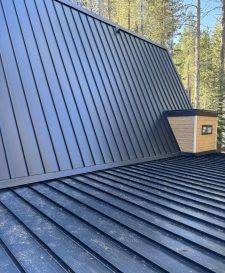
| Standing seam metal | Very good — sheds moss growth naturally | Low, but fasteners and coatings need to be salt-rated | 40–50+ years |
| Cedar shake | Poor without diligent upkeep | High — regular treatment and cleaning needed | Highly variable; shortened by moss and damp shade |
Most York homeowners land on an algae-resistant architectural shingle as the practical middle ground — reasonable upfront cost, solid lifespan, and manageable maintenance. Metal earns its higher price tag on heavily shaded lots or for homeowners who want to largely opt out of moss upkeep. We'll walk you through the honest trade-offs for your specific roof rather than steering you toward whichever product carries the best margin.
Our Roof Replacement Process
- On-site estimate. We walk the roof (or the attic, if the pitch or access doesn't allow a safe walk), check the deck condition where visible, and measure the whole system — not just the main field.
- Written scope and price. You get a clear breakdown of material, tear-off, deck repair allowance, ventilation work, and flashing — no vague lump-sum guesswork.
- Scheduling around weather. We plan the tear-off day around a dry window whenever possible, since an open deck is vulnerable until it's dried in.
- Tear-off, deck repair, and dry-in. Old roofing comes off, damaged sheathing gets replaced, and underlayment goes down the same day where feasible.
- Flashing, ventilation, and shingle installation. Installed to manufacturer spec, not shortcuts on nailing pattern or exposure.
- Cleanup and magnetic sweep. Yard, driveway, and landscaping cleared of debris and stray fasteners before we call it done.
- Final walkthrough. We go over the finished roof with you and answer any questions before you sign off.
What Drives the Cost of a York Roof Replacement
Roof replacement pricing swings widely based on the specifics of the house, not just square footage. The factors that move the number most are:
- Roof size and pitch — steeper roofs take longer and need more safety setup
- Number of layers to remove — tearing off two layers costs more than one
- Deck condition — rotted or soft sheathing sections add material and labor
- Material choice — standard shingle vs. architectural vs. metal changes cost substantially
- Roof complexity — valleys, dormers, chimneys, and skylights all add flashing work
- Access — tight lots, tall trees, or limited driveway space affect equipment and disposal
We'll give you a firm, itemized number after seeing the actual roof — general price ranges you'll see online rarely reflect what a specific York home actually needs.
Why a Crew That Already Works in York Matters
A roofing crew that mainly works drier inland areas can install a technically fine roof that still underperforms here, simply because they're not used to designing for salt air, sideways rain, and near-constant moss pressure. Knowing which flashing metals actually hold up on this side of Whatcom County, how much ventilation a shaded York attic really needs, and where wind-driven rain tends to find its way in isn't something you get from a spec sheet — it comes from having done the work here repeatedly.
There's also a practical local-permitting side to it: knowing what the jurisdiction expects for a re-roof, what inspections apply, and how to schedule around this area's rain patterns so a torn-off roof isn't sitting exposed longer than it should be.
Maintaining Your New Roof Through the Wet Season
A well-installed roof still needs a bit of upkeep in this climate to hit its full lifespan. A short annual routine goes a long way:
- Clear gutters and downspouts before the fall rains ramp up
- Have moss treated or gently removed from shaded slopes before it establishes under shingle edges
- Trim back branches that keep a section of roof shaded and damp longer than the rest
- Check attic ventilation isn't blocked by insulation or stored items
- Have flashing points looked at every few years, since that's where small issues show up first
If you're weighing whether your York home needs a repair or a full replacement, we're glad to take a look and give you a straight answer either way. Reach out for a free, no-pressure estimate using the form below.