 Fairhaven Siding
 Siding Installation in York: What Fairhaven's Coastal Climate Demands
Homes in the York area sit close enough to the water that the air itself works against exterior materials year-round. Salt-laden moisture off Bellingham Bay accelerates corrosion on fasteners, trim, and hardware; wind-driven rain finds every gap in a wall assembly instead of just falling straight down; and Whatcom County's long, gray moss season keeps north- and west-facing walls damp for months at a stretch. A siding installation here isn't only about choosing a good-looking product — it's about building a wall system that sheds water, resists corrosion, and dries out fast enough that moss and mildew never get a real foothold.
That's a different job than siding a house in a dry, inland climate, and it's why we treat every York project as a coastal-climate installation first and a cosmetic upgrade second.
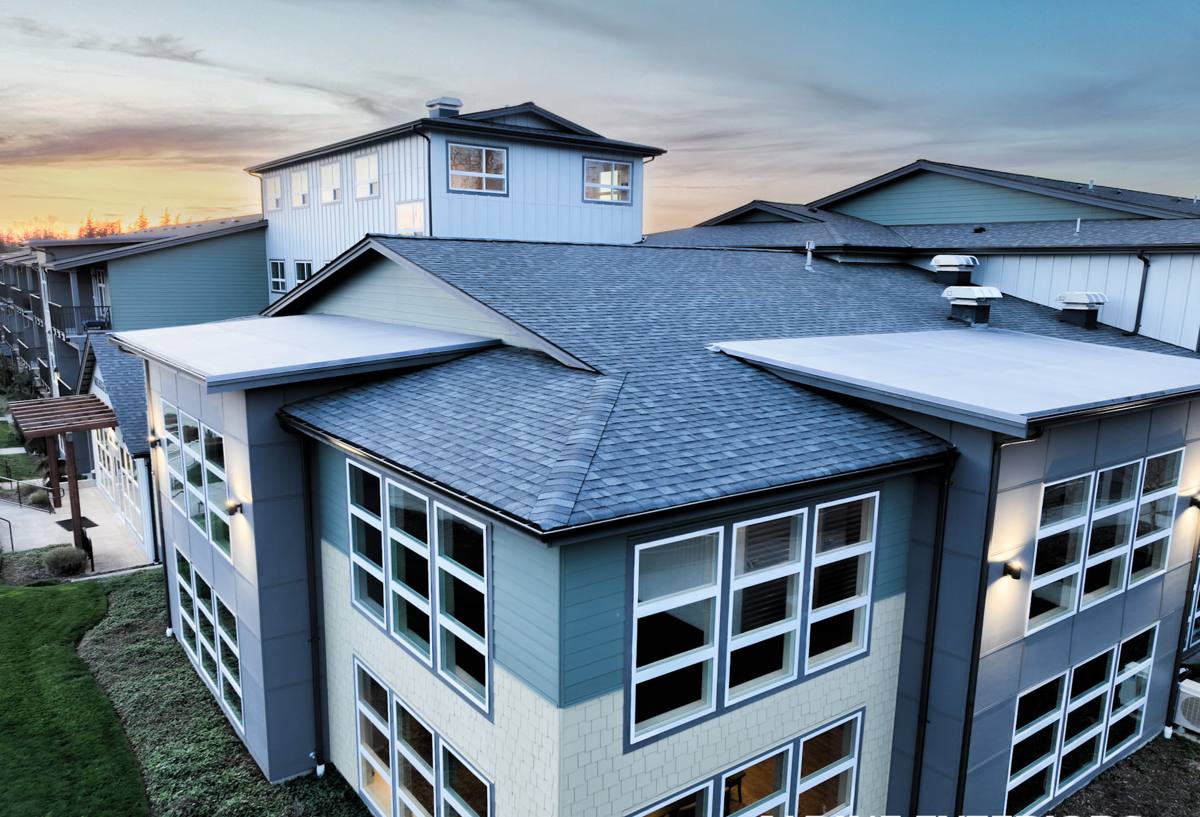
Why York Homes Need More Than a Standard Re-Side
Like much of Fairhaven, York includes homes built across several decades, and older wall assemblies weren't always built to today's moisture-management standards. Pulling old siding off a home like this can uncover soft sheathing, undersized or missing flashing, or a weather-resistive barrier that's failed after years of driving rain. Installing new siding over problems like that just hides them behind a fresh face — the wall keeps rotting, it's just out of sight.
Homes with more direct exposure to wind off the water also take rain sideways, not only from above. That changes how siding courses need to be lapped, how trim needs to be caulked, and how carefully every window, door, and utility penetration needs to be flashed. A crew that mostly works drier, more sheltered neighborhoods can miss details that matter a lot here.
What a Correct Siding Installation Actually Involves
Moisture Management Comes Before the Siding Goes On
Before a single piece of siding is hung, the wall needs a continuous weather-resistive barrier with properly lapped and taped seams, correctly integrated flashing at every window, door, and penetration, and a drainage plane that gives bulk water somewhere to go. Skipping or rushing this step is the single most common reason a siding job that looks fine for a year or two starts causing rot problems by year five.
Fastening and Corrosion Resistance in Salt Air
Fastener choice matters more near the water than it does further inland. Fasteners rated for coastal exposure, driven at the correct depth and spacing per manufacturer specification, are what keep a job from developing rust streaks and loosening panels a few years in. Overdriven or undersized fasteners are a shortcut that shows up as a maintenance headache later, usually right around trim and butt joints first.
Ventilation and Drying Capacity
A wall that gets wet needs a way to dry out again, and that matters even more during a long moss season when walls stay damp for weeks at a time. A rainscreen gap behind the siding lets water that does get past the cladding drain and evaporate instead of sitting against the sheathing. It's a small detail in the wall assembly that has an outsized effect on how long the siding — and the wall behind it — actually lasts.
Why We Install Only James Hardie Fiber Cement
We install one siding system: James Hardie fiber cement, in the HZ product lines engineered for Pacific Northwest moisture exposure. That's a deliberate standard, not a limitation of what we're capable of installing. Fiber cement doesn't rot, doesn't attract wood-boring insects, and won't ignite the way wood-based products can. Hardie's ColorPlus factory finish is baked on under controlled conditions, which gives it far better fade and chip resistance than field-applied paint, and it's backed by a strong, transferable manufacturer warranty when the installation is done to spec.
What We Turn Down, and Why
We don't install vinyl, LP SmartSide, Cemplank, Allura, primed spruce, or cedar, and we're upfront about why. Vinyl can warp and become brittle over time and its seams and color are harder to control long-term in a wet, wind-exposed climate. LP SmartSide is a wood-strand product, and wood-based siding is more sensitive to sustained moisture exposure than fiber cement — a real concern given how long walls here stay wet each year. Primed spruce and cedar are genuinely attractive materials, but they need ongoing painting, sealing, and maintenance to hold up against salt air and driving rain, and that maintenance burden is easy to underestimate until a homeowner is a few years into it. None of these are "bad" products in every context. They're just not the standard we're willing to put our name behind in this climate, which is why we standardized on Hardie instead.
Comparing Siding Materials for a Coastal Whatcom County Home
| Factor | James Hardie Fiber Cement | Vinyl | Wood / LP SmartSide |
|---|---|---|---|
| Moisture behavior | Does not rot or swell; engineered for wet climates | Doesn't rot, but can warp or crack over time | Vulnerable to sustained moisture without diligent upkeep |
| Finish durability | Factory-baked ColorPlus finish resists fading and chipping | Color molded through, but can chalk and fade | Needs repainting or resealing on a recurring schedule |
| Fire resistance | Non-combustible | Can soften or melt under heat | Combustible, like other wood-based products |
| Maintenance | Low — occasional washing | Low, but limited repair/repaint options | Higher — periodic painting and sealing required |
| Coastal/salt-air fit | Engineered HZ lines built for this exposure | Holds up but seams and fasteners are the weak point | More exposure-sensitive without consistent maintenance |
Our Siding Installation Process in York
- Assessment: we inspect the existing siding, sheathing, and trim to identify moisture damage or wall issues before quoting the job.
- Tear-off and sheathing check: old siding comes off and any soft, damaged, or compromised sheathing is repaired or replaced before we move forward.
- Weather barrier and flashing: a new weather-resistive barrier is installed with properly lapped seams, and flashing is integrated at every window, door, and penetration.
- Rainscreen installation: a drainage gap is built in behind the siding so any moisture that gets past the cladding can drain and dry out.
- Hardie installation to manufacturer spec: panels or planks are hung with the correct fastener type, spacing, and clearance called for by James Hardie's installation instructions.
- Trim, caulking, and detail work: corners, trim boards, and penetrations are finished and sealed with attention to the areas most exposed to wind-driven rain.
- Final walkthrough: we review the completed job with the homeowner before calling it done.
Why Hiring a Crew That Already Works in York Matters
A crew that regularly works Fairhaven and the York area already knows how the local wind and rain patterns behave against a wall, which sides of a home typically take the worst weather, and how long moss season really runs here. That familiarity shows up in small decisions — how a flashing detail is handled, where extra caulking attention goes, how the job is scheduled around wet-weather windows — that a crew unfamiliar with this specific coastal exposure might not think twice about. It also means we're not learning the local climate on your home; we already know what it demands.
What to Expect From a Properly Installed Hardie Siding Job
- A continuous, properly lapped weather-resistive barrier under the new siding
- Correctly integrated flashing at every window, door, and penetration
- A rainscreen gap for drainage and drying behind the cladding
- Fasteners matched to James Hardie's specification for type, spacing, and depth
- Sheathing repairs completed before any new siding goes up, not skipped over
- Trim and caulking detail at the areas most exposed to wind-driven rain
- A manufacturer warranty that stays valid because the install followed spec
Cost Factors for a York Siding Installation
Every home is different, so we don't quote a number without walking the property, but the main things that move a siding installation's scope up or down are consistent: the size and number of stories of the home, how much trim and architectural detail is involved, whether sheathing repairs are needed once old siding comes off, how accessible the walls are for scaffolding or lifts, and whether it's a straight re-side or includes additional work like window trim or repairs uncovered during tear-off. We'll walk through all of that with you plainly before any work starts, and we don't pad a quote with allowances for problems we haven't actually found.
If you're weighing a siding replacement for a home in the York area, we're happy to take a look and give you a straightforward, no-pressure assessment of what your walls actually need. Use the form below to request a free estimate.