 Fairhaven Siding
 Deck Replacement Built for Birchwood's Weather
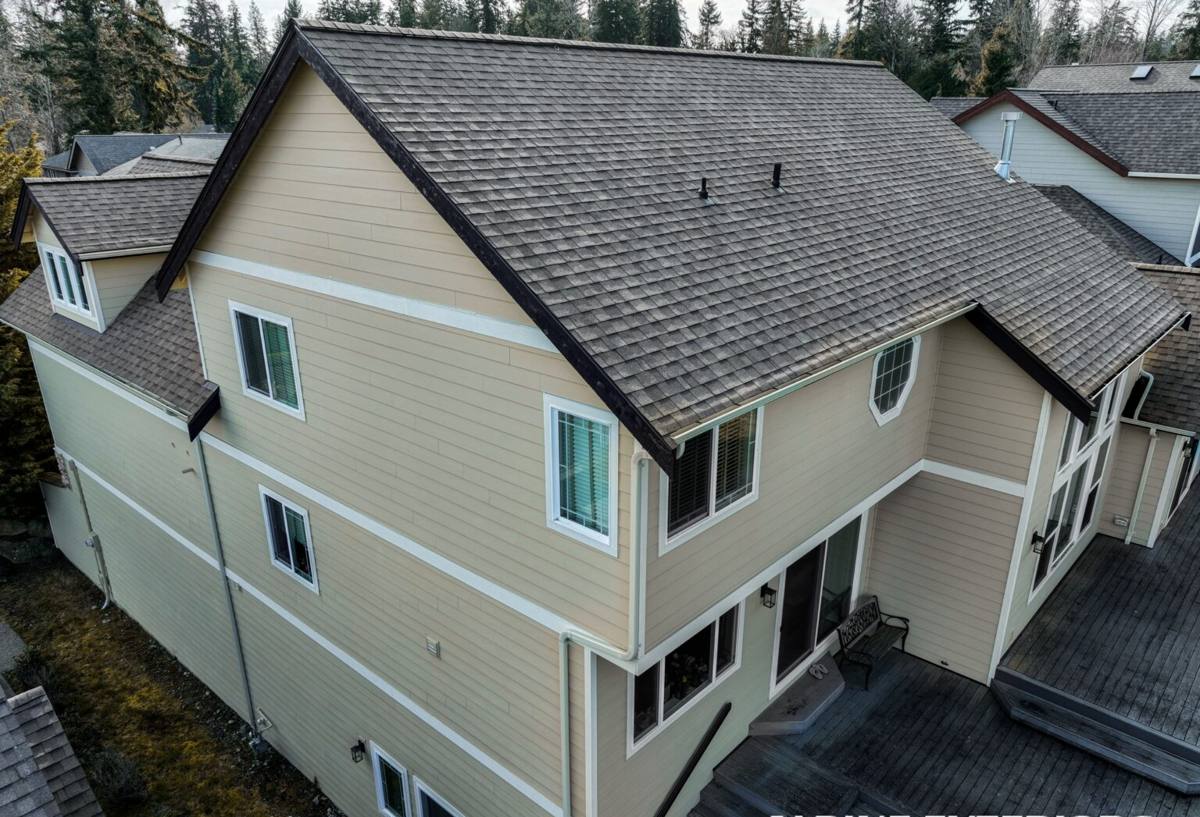
Birchwood sits close enough to Bellingham Bay and the marine influence around Fairhaven that decks here age differently than decks further inland. Salt-laden air corrodes hardware faster, driving rain finds its way into every joint and fastener hole that isn't properly flashed, and the long stretch of gray, wet months each year keeps wood surfaces damp long enough for moss and algae to take hold. If you've owned a deck in this neighborhood for more than a few years, you've probably already seen some combination of soft boards, rusted screw heads, black staining in the shade, or a slick green film that shows up every fall and doesn't fully leave until summer.
None of that is unusual for Whatcom County. It's just what happens to a deck that wasn't built, or wasn't maintained, with this specific climate in mind. A deck replacement done right for Birchwood isn't the same job as a deck replacement in a dry inland town — the materials, the fastening details, and the drainage plan all need to account for what this air and this rain actually do over time.
How This Climate Wears Down a Deck
Salt Air and Metal Fatigue
Proximity to the bay means a steady, low-level exposure to salt in the air, even without direct ocean spray. Over years, that salt accelerates corrosion on anything that isn't rated for it — cheap fasteners, unprotected joist hangers, and lower-grade hinges or brackets. Corroded fasteners don't just look bad; they lose holding strength, which is exactly what you don't want in ledger boards, stair stringers, or railing posts.
Driving Rain and Hidden Moisture
Storms coming off the water tend to drive rain sideways as much as straight down, which pushes water into places a calmer rain never would — under railing caps, behind fascia boards, and into any gap where flashing was skipped or installed loosely. Once water gets behind a board or into a ledger connection, it can sit there for weeks without ever fully drying, especially through the fall and winter.
Moss, Algae, and Surface Decay
Birchwood gets enough shade and dampness in the cooler months that moss and algae growth on horizontal wood surfaces is close to unavoidable without regular upkeep. Beyond being slippery and unattractive, moss holds moisture directly against the board surface, which speeds up rot in real wood and can dull or stain the surface of some composite products if it's left too long.
Signs a Birchwood Deck Needs Replacing, Not Just Patching
- Boards that feel spongy or flex noticeably underfoot, especially near the house or in shaded areas
- Rust streaks running down from screw heads or bracket hardware
- A ledger board connection that looks discolored, swollen, or separated from the house
- Persistent moss or black staining that comes right back within weeks of cleaning
- Railing posts that wiggle at the base, which usually means the post connection or the framing under it has softened
- Visible gaps opening up between deck boards and the house siding or trim
- A deck older than 15-20 years that has never had the substructure inspected
Some of these are repairable in isolation. But when several show up at once, or when the framing itself is compromised, patching individual boards just delays a full rebuild while spending money that won't carry forward into the new deck.
What a Correct Deck Replacement Involves Here
Starting With the Ledger and Framing
The ledger board — where the deck attaches to the house — is the single most important connection on the whole structure, and it's also the one most exposed to trapped moisture if it isn't flashed correctly. A proper replacement includes house-side flashing that directs water out and away from the wall, not just a bead of caulk hoping to hold. Joists get hangers rated for the fastener and treatment type being used, and every structural connection is sized to current code, not just matched to whatever was there before.
Choosing Fasteners and Hardware for Salt Exposure
Given the marine air in this area, we don't treat fastener selection as an afterthought. Stainless steel or coated fasteners rated for coastal-adjacent exposure cost more up front than standard hardware, but they hold their strength for years longer instead of rusting and weakening the connections they're supposed to protect. The same goes for joist hangers, post bases, and any structural brackets.
Getting Drainage and Airflow Right
Water needs a way off the deck surface and out from underneath it. That means correct board spacing, a slight slope away from the house, and enough clearance beneath the frame for air to actually move and dry things out between storms. A deck built tight to the ground with no airflow is a deck that stays damp through most of the wet season, which is exactly the condition moss and rot need to take hold.
Surface Material Suited to Damp Shade
Both quality wood and composite decking can perform well here, but each comes with trade-offs worth understanding before you choose.
| Factor | Wood (cedar/treated) | Composite decking |
|---|---|---|
| Upfront cost | Lower | Higher |
| Moss/algae resistance | Lower — needs regular cleaning and sealing | Higher, though still needs periodic washing in shaded spots |
| Maintenance | Sealing every 1-2 years, board replacement over time | Occasional washing, no sealing required |
| Appearance over time | Grays and weathers, needs upkeep to hold color | Holds color longer, more consistent surface |
| Repair approach | Individual boards easily replaced | Board replacement possible but color-matching aged boards can be harder |
| Typical lifespan here | 15-25 years with consistent maintenance | 25-30+ years, less maintenance-dependent |
We don't push one material as universally "better" — it depends on how much maintenance a homeowner actually wants to keep up with and what budget makes sense. What we won't do is install fasteners, flashing, or framing details that skip steps this climate requires just to save time, regardless of which surface material goes on top.
Our Process for a Birchwood Deck Replacement
- On-site assessment — we look at the existing deck, the framing underneath if accessible, the ledger connection, and any drainage or shade issues specific to the lot
- Honest scope and estimate — you get a clear picture of what needs full replacement versus what could be salvaged, and what that means for cost
- Material selection — we walk through wood versus composite options based on your budget, maintenance preference, and how much sun or shade the deck gets
- Demolition and disposal — the old deck comes out, including any hidden rot in the framing that wasn't visible from the surface
- Framing and flashing — new ledger flashing, joists, hangers, and structural hardware rated for the exposure this area sees
- Decking, railing, and stairs — installed with proper spacing and fastening for drainage and long-term hold
- Final walkthrough — we go over the finished deck with you, including maintenance expectations for the material you chose
Cost Factors to Expect
Every deck is different, so we won't quote a number without seeing the site, but a few things consistently move the price up or down on jobs in this area:
| Factor | Effect on cost |
|---|---|
| Deck size and footprint | Larger square footage means more material and labor |
| Height and stair complexity | Multi-level decks or long stair runs add framing and labor time |
| Material choice | Composite runs higher upfront than wood, lower in long-term maintenance |
| Framing condition | Rotted joists or a compromised ledger add repair scope beyond surface replacement |
| Railing style | Cable, glass, or custom railing systems cost more than standard baluster railing |
| Access to the site | Tight side yards or limited equipment access can add labor time |
Why Hire a Crew That Already Works in Birchwood
A crew that regularly works decks in and around Fairhaven already knows which fastener grades hold up against the salt air here, how far to slope a deck surface given the rainfall this area gets, and where moss tends to collect based on shade patterns typical of this neighborhood's lots. That's the kind of detail that doesn't show up in a generic deck-building guide, but it's exactly what determines whether a deck is still solid in fifteen years or soft and rusting in five.
It also means we're not guessing at code requirements or inspection expectations for Whatcom County — we've been through that process enough times locally to keep the job moving without surprises. And if something does come up after the build, whether it's a maintenance question or a warranty issue, you're calling a crew that's still working in your area, not chasing down someone who did one job here and moved on.
Maintaining Your New Deck in This Climate
- Sweep off leaves and debris regularly, especially in fall, so they don't trap moisture against the surface
- Rinse or scrub shaded areas periodically to keep moss from establishing before it becomes a slip hazard
- Check railing posts and stair connections once a year for any looseness
- If you chose wood, plan on resealing every 1-2 years to protect against the rain this area gets
- Keep gutters and downspouts near the deck clear so runoff isn't dumping extra water onto the surface
- Inspect the ledger flashing area periodically for any staining or gaps that could signal water getting behind it
If your Birchwood deck is showing its age, or you just want an honest opinion on whether it needs repair or full replacement, we're happy to take a look. Reach out for a free, no-pressure estimate using the form below.