 Fairhaven Siding
 Windows Built for Bow's Weather, Not Just Any Weather
Bow sits close enough to the water that homes here take a different kind of beating than houses twenty miles inland. Salt-laden air, wind-driven rain that comes in sideways off the water, and a long stretch of the year where moss and moisture never really dry out — all of it works on a window's weakest points: the seals, the frame material, and the flashing behind the trim. A window that's rated fine on paper can still fail early here if it wasn't installed with this specific climate in mind.
This page is about one job, done right, in one area: replacing or installing windows for homes in and around Bow. Not a general overview of window brands — a straight look at what local conditions demand, what correct installation actually involves, and why it matters that the crew doing the work already knows this stretch of coastline.
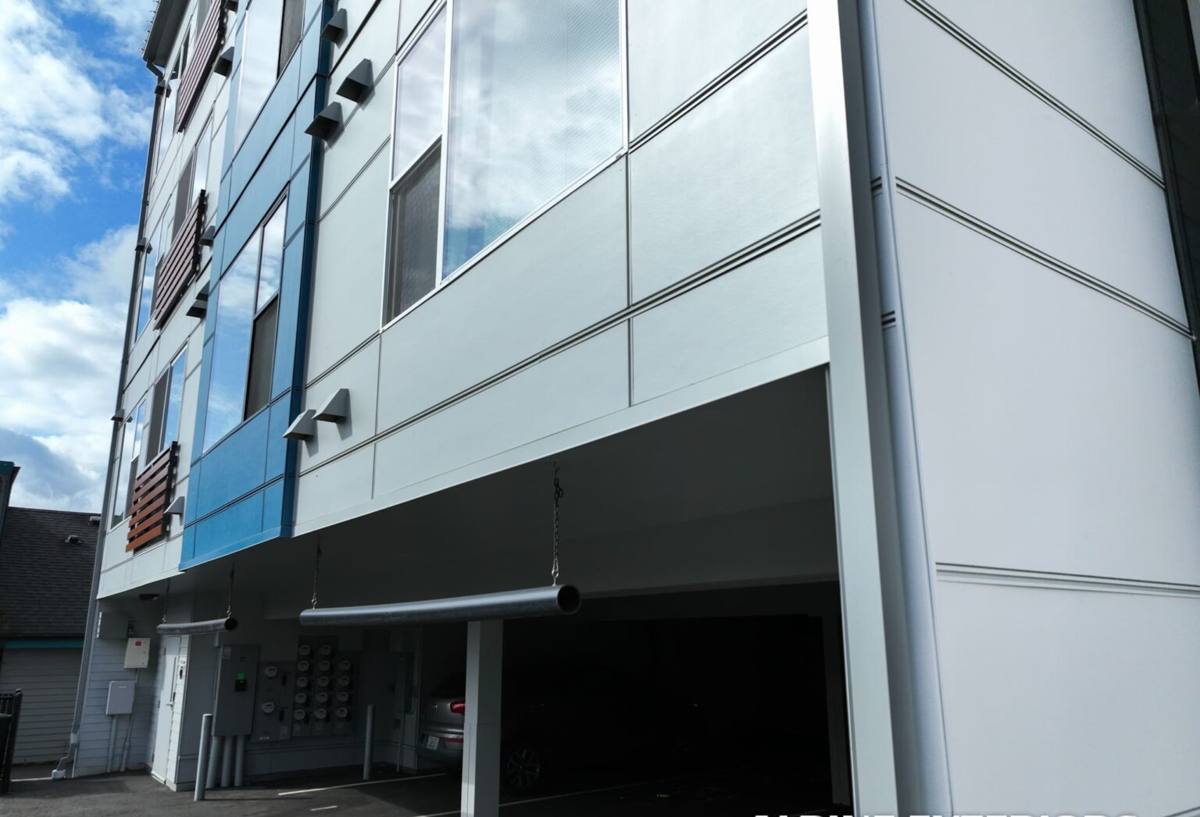
What Coastal Exposure Actually Does to a Window Over Time
Most window failures aren't sudden. They're slow, and they usually start in places you can't see from inside the house.
Salt Air and Metal Components
Aluminum cladding, hardware, screens, and fasteners near the coast corrode faster than the same materials would twenty or thirty miles inland. Salt in the air settles on metal surfaces and accelerates oxidation, especially where two dissimilar metals meet or where a protective coating has worn thin. Over years, this shows up as pitted hardware, stiff or seized locks, and cladding that discolors unevenly.
Driving Rain and Wind Pressure
Storms coming off the water don't just drop rain straight down — they push it sideways and upward under pressure. A window installed with standard flashing techniques meant for calmer inland weather can let water track behind the trim during a hard blow, even if the window itself never leaks from the front. That moisture doesn't show up right away. It shows up months later as soft trim, a musty smell near the sill, or paint that won't hold.
Moss Season and Prolonged Dampness
The long stretch of wet, low-light months means anything that stays damp — sills, sashes, exterior trim — has plenty of time to grow moss and algae rather than dry out between rains. On older wood windows especially, that constant dampness is what eventually rots a sill or a jamb from the outside in, long before the glass or hardware gives out.
Signs a Bow Home's Windows Need Attention
Not every window problem means a full replacement, but these are the signs worth taking seriously in this climate:
- Soft or spongy trim around the window frame, especially at the bottom corners
- Persistent condensation between panes on double-glazed units (a sign the seal has failed)
- Drafts you can feel even when the window is fully latched
- Paint or caulk that keeps failing in the same spot no matter how often it's redone
- Visible moss or dark staining that returns quickly after cleaning
- Windows that are difficult to open, close, or lock — often a sign the frame has shifted or swollen
- Noticeably higher heating bills with no other explanation
If you're seeing more than one of these, it's usually cheaper in the long run to address it with a proper replacement than to keep patching the same spot every season.
What Correct Window Installation Actually Involves
A window installation is judged by what's happening behind the trim, not by how it looks from the curb the day it's finished. In a climate that pushes rain sideways and keeps things damp for months at a time, a few steps matter more here than they would somewhere drier.
Flashing and Water Management
Every window opening needs a flashing system that directs water down and out, never letting it pool or track behind the siding. That means proper sill pan flashing at the bottom of the opening, correctly lapped house wrap or building paper above the window, and flashing tape at the sides and top installed in the right order — bottom to top, so each layer sheds water onto the one below it. Skipping or reversing this sequence is one of the most common causes of hidden rot, and it's invisible until the damage is already done.
Sealing Without Trapping Moisture
Caulking the outside of a window is only half the job. The window also needs to be sealed and insulated on the interior side of the rough opening, but with materials that let any incidental moisture escape rather than trapping it inside the wall cavity. Using the wrong sealant, or sealing every gap solid with no way for moisture to vent, can turn a small amount of trapped humidity into a rot problem over a few years.
Squaring and Shimming
A window that isn't shimmed square binds, doesn't seal evenly against its own weatherstripping, and puts uneven stress on the frame — which shortens the life of hardware and seals alike. This is basic installation practice, but it's also the step most likely to get rushed on a job priced too low or scheduled too tight.
Material Selection for the Site
Not every window material performs the same way twenty feet from salt air versus twenty miles from it. Frame material, hardware finish, and cladding all factor into how a window holds up here specifically — covered in the comparison below.
Choosing the Right Window Material for Bow's Conditions
There's no single "best" window material for every home — it depends on the home's age, style, and how exposed it is to wind and salt air. Here's how the common options actually perform in this environment:
| Material | Coastal / Salt Air Performance | Maintenance | Typical Fit |
|---|---|---|---|
| Vinyl | Doesn't corrode; handles moisture well | Low — occasional cleaning | Most replacement projects, budget-conscious remodels |
| Fiberglass | Very stable in wet/salt conditions; won't rot or corrode | Low | Higher-exposure sites, longer-term investment |
| Wood (clad exterior) | Good if cladding and flashing are done correctly; exposed wood needs protection | Moderate to high on any exposed wood surfaces | Older or historic-style homes wanting a wood interior look |
| Aluminum | Prone to corrosion and pitting in salt air over time unless well-coated | Moderate — watch hardware and finish | Best reserved for sheltered locations, not direct coastal exposure |
For most homes in Bow, vinyl or fiberglass frames with corrosion-resistant hardware hold up the longest with the least upkeep. Wood-clad windows can still be the right call for a specific look, but they need flashing and finish maintenance taken seriously — this is a case where cutting corners during installation costs far more later.
Our Installation Process
1. On-Site Assessment
We look at each opening individually — existing flashing condition, any signs of hidden moisture damage, framing squareness, and exposure to prevailing wind and rain direction. Two windows on the same house can need different treatment depending on which wall they're on.
2. Removal and Opening Inspection
Once the old window is out, the rough opening gets inspected before anything new goes in. This is often the only chance to catch rot or moisture damage that was hidden behind the old trim — better to find and fix it now than seal it back up under a new window.
3. Flashing and Weatherproofing
Sill pan, house wrap integration, and flashing tape go in following the correct shingle-lap sequence, sized and detailed for this site's wind and rain exposure.
4. Setting, Shimming, and Sealing
The window is set square and plumb, shimmed correctly, fastened per manufacturer spec, and sealed inside and out with materials appropriate to this climate.
5. Trim and Final Check
Interior and exterior trim goes back on, operation is tested, and we walk the job with the homeowner before calling it done.
New Construction and Additions
If you're building an addition or putting in new openings rather than replacing existing windows, the same coastal-climate principles apply from the start — correct flashing sequence, appropriate frame material for exposure, and hardware that won't corrode prematurely. It's easier and cheaper to get this right the first time than to correct it after the siding and interior finish are already in place.
Why It Matters That We Already Work in Bow
Generic installation advice doesn't account for which direction a specific home faces relative to prevailing wind and water, how much salt exposure a given wall gets, or how long moisture actually sits before it dries in this particular pocket of weather. A crew that regularly works this area brings that context to every job without having to learn it on your house. That means fewer surprises, fewer callbacks, and a job that's built for the conditions it actually has to survive — not generic conditions from a manufacturer's install guide written for a drier climate.
After Installation: Keeping Windows Performing
A correctly installed window still benefits from a little seasonal attention here:
- Rinse salt residue off frames and hardware periodically, especially after storms
- Keep weep holes and drainage tracks clear of debris and moss
- Check exterior caulking annually and touch up before it fully fails
- Operate hardware occasionally through the wetter months so locks and hinges don't seize
- Watch for early signs of trim softness near sills and address them before they spread
None of this is a substitute for correct installation — it just protects the investment once the hard part is already done right.
If you're dealing with drafty, foggy, or failing windows in Bow, or planning new openings for a remodel or addition, we're happy to take a look and give you a straightforward, no-pressure estimate. Use the form below to get started.