 Fairhaven Siding
 Deck Repair Built for Columbia's Weather, Not Just the Deck
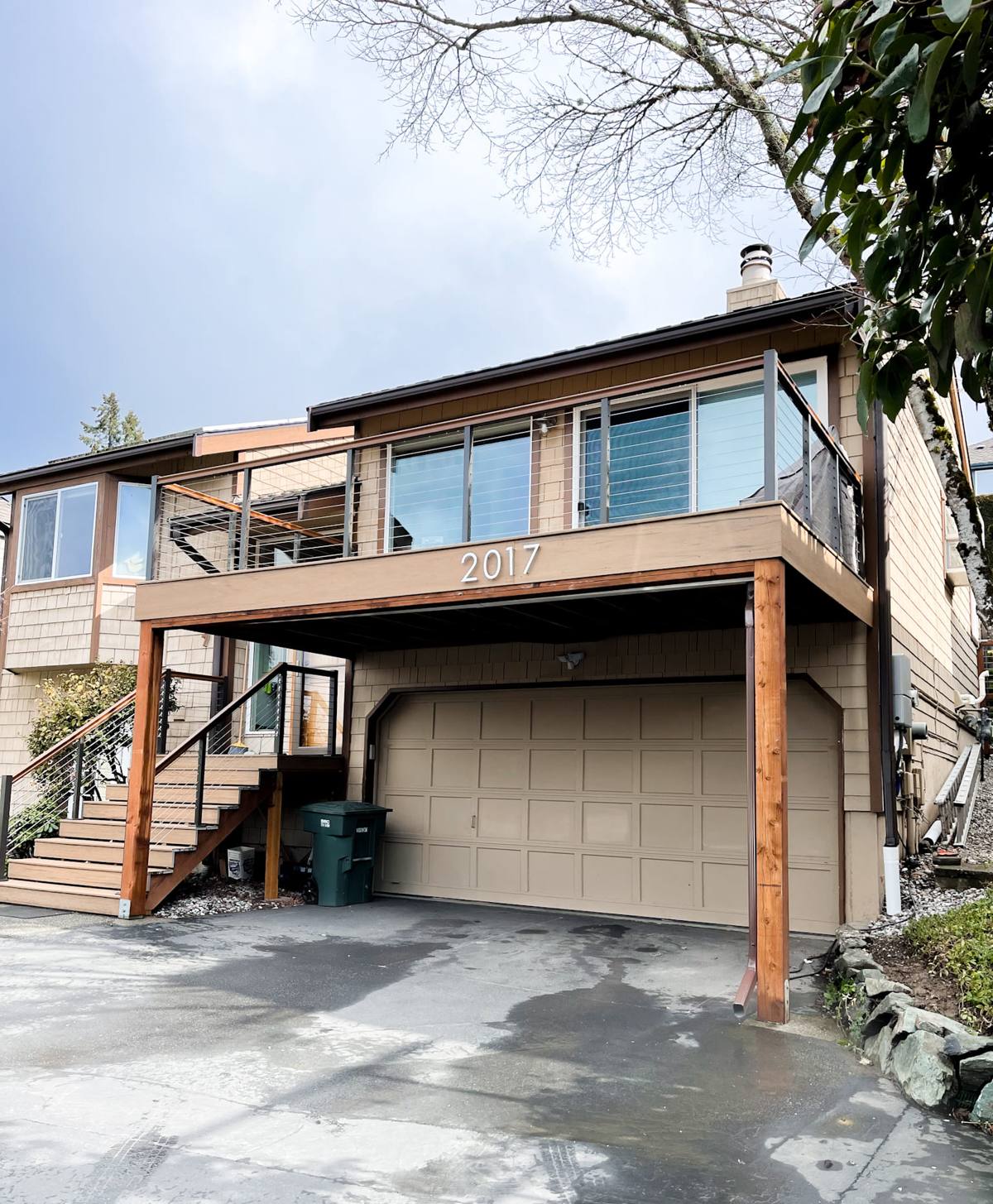
Columbia sits close enough to Bellingham Bay that salt-laden air reaches every deck board, every fastener, and every piece of exposed framing year-round. Add Whatcom County's long stretch of driving rain each fall and winter, then the slow green creep of moss through the shoulder seasons, and you have a climate that is genuinely tough on outdoor structures. A deck that would last two decades in a dry inland town can start showing real trouble in Columbia in half that time if it wasn't built, sealed, or maintained with this specific weather in mind.
We repair decks in this neighborhood regularly, and the patterns are consistent. Failures rarely start with the decking boards you can see. They start underneath, at the ledger board, the joist hangers, the flashing, and the fastener heads — the parts that stay wet longest and get inspected least. A repair that only addresses the surface is a repair that will need to be redone.
Why Salt Air, Rain, and Moss Are a Rough Combination
Salt Air Accelerates Metal Fatigue
Every deck depends on metal to hold it together: joist hangers, structural screws, bolts, flashing. Standard coated fasteners and connectors corrode faster near the water, and once a hanger or bolt starts rusting, it loses grip strength long before it looks obviously bad. Salt exposure is also why we don't treat all "exterior-rated" hardware as equal — some coatings are built for general weather, not for salt air specifically.
Driving Rain Finds the Gaps
Wind-driven rain doesn't just fall on a deck, it gets pushed sideways into seams, past flashing, and under any board that has started to cup or gap. Water that gets behind ledger boards or under railing posts can sit there for days without ever being visible from above, which is exactly how rot gets a head start.
Moss Season Adds Weight and Moisture
Moss and algae thrive in the shaded, damp conditions common through much of the year here. Beyond looking bad, a moss layer holds moisture against the wood surface constantly, which speeds up decay in the boards themselves and makes the deck surface genuinely slippery — a safety issue, not just a cosmetic one.
Signs a Columbia Deck Needs Repair, Not Just Cleaning
Homeowners often call us for a cleaning and find out the deck needs structural attention instead. Here's what tells the two apart:
- Boards that flex, bounce, or feel spongy underfoot, especially near the house
- Railings or posts that wiggle when pushed — a sign of failing connections, not just loose screws
- Visible gaps opening up where the deck meets the house (ledger board area)
- Rust streaks running down from fasteners or hardware
- Soft or discolored wood you can press a screwdriver tip into with little resistance
- Persistent moss or algae that returns within weeks of cleaning
- Standing water that doesn't drain within an hour or two after rain stops
- Stairs that feel uneven or have visibly sagging stringers
Any one of these on its own might be minor. Two or more together usually means the repair needs to start below the surface.
What a Correct Deck Repair Actually Involves
A repair that holds up in this climate isn't just about swapping bad boards for new ones. It's about finding out why those boards failed in the first place and fixing that cause, not just the symptom.
Our Repair Sequence
- Inspect from underneath. We check joists, the ledger connection, hardware condition, and hidden moisture — not just the walking surface.
- Identify the moisture source. Bad flashing, missing gaps between boards, poor drainage, or a compromised ledger connection are the usual culprits.
- Remove and replace compromised material. Rotted framing and decking come out completely — sistering new lumber next to weak framing is a shortcut we don't take.
- Correct the cause. This might mean adding proper flashing, re-sealing the ledger connection, or improving drainage under the deck.
- Upgrade hardware where it matters. Corroded or undersized connectors get replaced with fasteners rated for the exposure the deck actually gets.
- Finish and seal. New and existing wood gets treated so the repair blends in and holds up the same way going forward.
Repair vs. Replacement: How We Make the Call
| Factor | Points Toward Repair | Points Toward Replacement |
|---|---|---|
| Framing condition | Joists and ledger are sound, isolated soft spots only | Widespread rot in structural framing |
| Age of deck | Under 15 years, built to a reasonable standard | Original construction has multiple outdated or undersized elements |
| Extent of damage | Localized to a few boards, one railing section, or one connection point | Damage spread across most of the deck surface or supports |
| Code compliance | Railings, spacing, and attachment already meet current standards | Structure predates current guardrail or fastening requirements |
| Owner goals | Deck size and layout still work well | Homeowner wants a different footprint, material, or added features |
Most of the calls we get in Columbia land on the repair side of this table — the framing is generally sound, and the failure is concentrated where water actually collects. But we'll tell you honestly if a section has gone past the point where patching makes financial sense.
Deck Materials Common in Columbia and How They Age Here
| Material | How It Holds Up in Salt Air & Rain | Maintenance Reality |
|---|---|---|
| Pressure-treated wood | Good rot resistance if sealed regularly; fasteners are the weak point | Needs re-sealing every 1–2 years in this climate |
| Cedar | Naturally rot-resistant but softer; can gray and split without upkeep | Regular oiling or staining to prevent surface breakdown |
| Composite decking | Resists rot well; surface can still trap moisture and grow moss without airflow underneath | Lower upkeep, but framing beneath still needs the same protection |
| Older/unknown lumber | Variable — often the source of surprises during inspection | Usually needs closer evaluation before any repair estimate is final |
Composite surfaces get homeowners into a false sense of security sometimes. The boards on top may look fine for years while the treated framing underneath — which is doing the actual structural work — quietly deteriorates from moisture that never fully dries out between rain events.
The Parts of a Deck Most People Never Check
Ledger Board Connection
This is where the deck attaches to the house, and it's the single most common source of hidden rot we find. Flashing here needs to shed water away from the house framing, not trap it against the ledger. A failing ledger connection is also a safety issue, since it's a primary load path for the whole structure.
Joist Hangers and Fasteners
Even a deck with solid lumber can be compromised by hardware that was never rated for this level of moisture and salt exposure. We check hanger condition and fastener corrosion as a standard part of any repair, not as an upsell.
Under-Deck Drainage
Water that pools underneath a deck instead of draining away keeps everything above it damp longer after every rain. Improving grading or drainage near the deck's footprint is sometimes the single most effective thing we can do to extend a repair's lifespan.
Our Process for Columbia Homeowners
- Free on-site inspection — we look above and below the deck surface, not just what's visible from the top
- Plain-language assessment — what's failing, why, and what your realistic options are, including doing nothing yet if that's genuinely fine
- Written estimate — scope, materials, and a straightforward explanation of the price, no vague allowances
- Scheduled repair — timed around weather windows so materials aren't installed into standing moisture
- Final walkthrough — we show you what was done and what to watch going forward
Why Hiring a Crew That Already Works in Columbia Matters
A deck repair done to a generic standard, without accounting for salt air and this much sustained rain, tends to fail again in the same spots within a few years. Crews who work Whatcom County regularly already know which hardware holds up near the bay, which flashing details actually shed driving rain, and how much drainage a deck in this kind of moss-prone shade really needs. That local pattern recognition is the difference between a repair that lasts and one that becomes an annual chore.
It also matters for something less obvious: knowing what's normal wear versus what's an early warning sign specific to this climate. A homeowner who moved here from a drier region often can't tell the difference yet. A crew that repairs decks here every season can, usually within the first few minutes of an inspection.
Keeping a Repaired Deck in Good Shape
Once a deck is repaired correctly, a little seasonal attention keeps it that way:
- Clear moss and debris from the surface and between boards before it builds up thick, especially heading into the wetter months
- Check that gaps between boards haven't closed up from swelling, which traps moisture
- Look under the deck once or twice a year for standing water or new soft spots
- Re-seal wood surfaces on the schedule appropriate to the material, not just when it looks faded
- Address small issues — a loose railing, a single soft board — before the next rainy season, not after
If you're noticing any of the warning signs above, or simply haven't had your deck looked at in a few years, it's worth getting eyes on it before the next stretch of wet weather. We offer free, no-pressure estimates for deck repair in Columbia and throughout Fairhaven — fill out the form below and we'll take a look.