 Fairhaven Siding
 Building a Deck That Actually Holds Up in Ferndale
Ferndale sits close enough to the water and far enough north in Whatcom County that its decks take a beating most catalog photos never account for. Salt-laden air off the bay, long stretches of driving rain, and a moss season that can run from October through May all work against wood, fasteners, and finishes at the same time. A deck that looks fine on installation day can start showing soft spots, streaking, and slick green growth within a year or two if it wasn't built with this specific climate in mind. We're a Fairhaven-based crew that works Ferndale regularly, and this page covers what we actually look at, spec, and build differently for homes here.
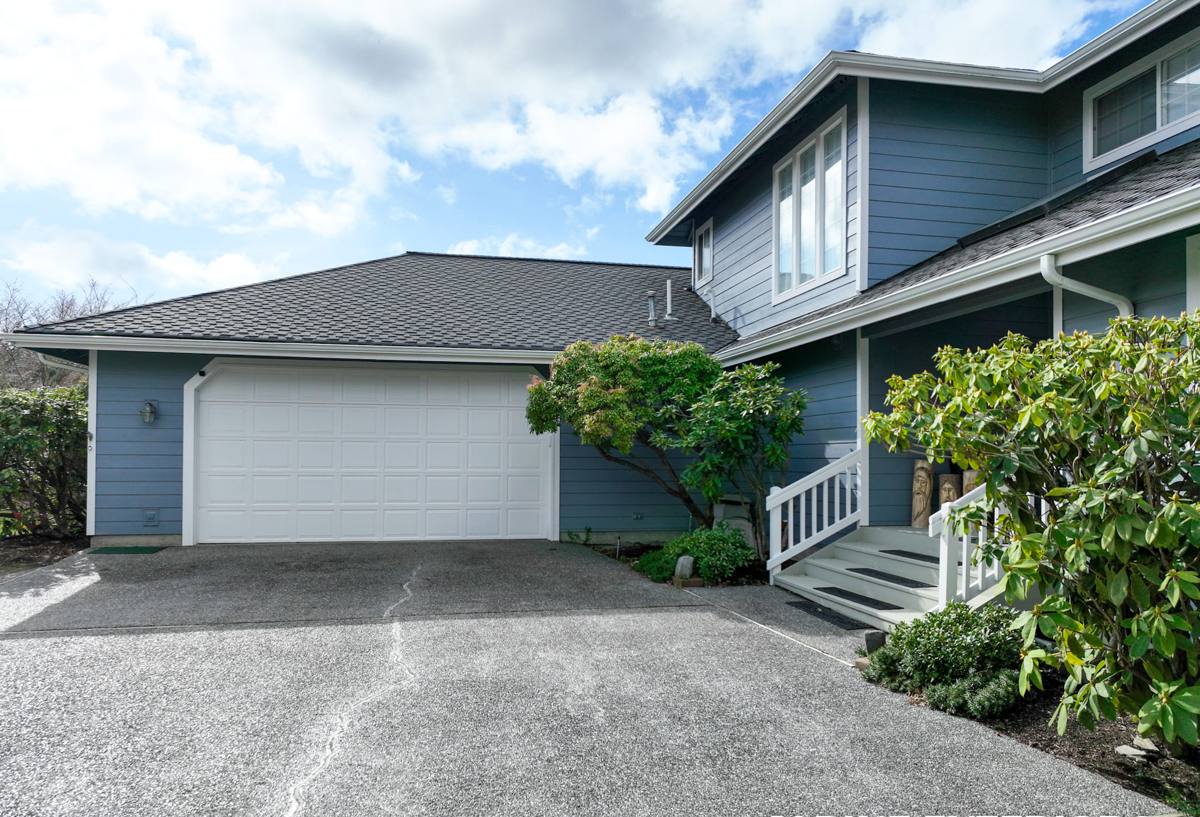
What Ferndale's Climate Does to a Deck
Three things drive almost every deck problem we get called out for in this part of Whatcom County:
Salt Air and Corrosion
Proximity to Bellingham Bay means airborne salt reaches further inland than most homeowners expect. Standard zinc-coated screws and joist hardware corrode faster here than in drier inland climates. Over a few seasons, corroding fasteners can streak the decking with rust stains and, more seriously, lose holding strength where it matters most — at ledger boards and structural connections.
Driving Rain and Wind-Driven Moisture
Rain here doesn't just fall straight down. Storms off the water push moisture sideways and underneath railings, fascia, and ledger connections that a calmer climate wouldn't test as hard. Any gap in flashing or a poorly sealed ledger becomes an entry point for water, and once water gets behind a ledger board it's working against the house framing, not just the deck.
The Long Moss and Algae Season
Shaded decks, north-facing decks, and anything under tree cover collect moisture that doesn't dry out for days at a time much of the year. That's exactly what moss and algae need. Beyond looking bad, a mossy deck surface is a real slip hazard, especially on stairs, and moss holds moisture against the decking material longer than bare wood or composite ever would on its own.
What a Correctly Built Deck Involves Here
None of this is exotic — it's standard deck-building practice applied consistently, without skipping the parts that don't show once the boards are down.
- Footings set to local frost depth requirements, not just "deep enough"
- Ledger board attached with proper flashing and a continuous water-shedding detail, not just caulk
- Stainless steel or heavy-duty coated fasteners and joist hardware rated for coastal/marine-adjacent exposure
- Joist tape or a comparable protective barrier on top of joists before decking goes down
- Proper slope and spacing for drainage so water doesn't pool on the surface or in structural cavities
- Ventilation underneath the deck so framing can actually dry between rain events
- Decking material chosen with moss and moisture behavior in mind, not just appearance
Skip any one of these and the deck can still look good for a season or two. The failures show up later — usually at the ledger connection or in soft joists — and they're expensive to fix compared to what it costs to do it right the first time.
Choosing Decking Material for This Climate
There's no single "best" decking material — there's a best fit for how much maintenance a homeowner wants to do and how much shade the deck sits in.
| Material | Moss/Algae Resistance | Maintenance | Notes for Ferndale |
|---|---|---|---|
| Pressure-treated wood | Low — needs regular cleaning and sealing | Annual cleaning, periodic staining/sealing | Lowest upfront cost; requires the most upkeep to fight moss and moisture |
| Cedar | Moderate | Regular sealing to maintain resistance | Natural rot resistance helps, but still needs care in shaded spots |
| Composite decking | Good — varies by brand and surface texture | Occasional washing, no staining/sealing | Textured or capped composites shed moisture better than early-generation composites |
| PVC decking | Very good | Low — mainly occasional washing | Doesn't absorb moisture the way wood-based products do; higher material cost |
We don't push one product over another as "the only option." We'll walk through what your specific site — sun exposure, tree cover, how the deck connects to the house — actually needs, and where your budget and maintenance tolerance land.
Our Process
1. On-Site Assessment
We look at drainage, sun/shade exposure, existing structure if it's a rebuild, and how the deck will tie into the house. This is where we catch the details — like a downspout draining straight under the future deck, or a north-facing exposure that's going to fight moss no matter what material goes down — before they become problems.
2. Design and Material Selection
We talk through layout, railing style, and decking material honestly, including trade-offs — what costs less up front versus what costs less over ten years of Whatcom County weather.
3. Permitting
Deck projects in Ferndale typically fall under Whatcom County permitting requirements depending on size, height, and attachment to the structure. We handle the permit process as part of the build so you're not chasing paperwork.
4. Construction
Footings, framing, ledger flashing, and fastening are done to the standards above — not the minimum code allows, but what actually holds up in this specific climate.
5. Final Walkthrough
We go over the finished deck with you, including basic care specific to the material you chose, so you know what upkeep to expect and what's normal versus what to call us about.
Permits and Code Considerations in Ferndale
Ferndale falls under Whatcom County jurisdiction for most residential permitting. Whether a permit is required generally comes down to the deck's height above grade, its footprint, and whether it's structurally attached to the house. Footings need to reach the required frost depth for the area, and ledger attachment to an existing structure has to meet current code for lateral load connections — this is one of the most common things we find missing or done improperly on older decks we're asked to inspect or rebuild. We handle the permit application and inspections as part of the project so it's not left to the homeowner to sort out.
Maintenance That Actually Matters Here
Every deck needs some upkeep. In Ferndale's climate, a short list done consistently prevents most of the expensive problems:
- Sweep debris (leaves, needles) off the surface regularly — trapped organic material holds moisture and feeds moss
- Wash the deck surface at least once a year, more often in shaded areas, to knock back algae before it establishes
- Check and clear gaps between boards so water drains through instead of pooling
- Inspect the ledger flashing and railing connections annually for any sign of water staining or movement
- Reseal or stain wood decking on the manufacturer's recommended schedule — don't stretch it because it "still looks fine"
- Keep nearby vegetation trimmed back to cut down on shade and improve airflow across the deck surface
Why a Local Crew Matters for This
Deck-building fundamentals don't change from town to town, but the details that determine whether a deck lasts 10 years or 25 do change with the climate it's built in. A crew that works Ferndale and the surrounding Fairhaven and Whatcom County area regularly knows which fastener specs hold up against the salt air, which sites are going to fight moss no matter what decking goes down, and how local permitting actually works — not from a manual, but from having done it on homes nearby. That's the difference between a deck that gets built to pass inspection and one that gets built to actually perform here.
What Influences Your Project's Cost
| Factor | Why It Matters |
|---|---|
| Deck size and footprint | More square footage means more footings, framing, and decking material |
| Height above grade | Taller decks need more substantial framing, stairs, and often railing code compliance |
| Decking material | Pressure-treated wood costs less upfront than composite or PVC, but maintenance costs differ over time |
| Site access and slope | Difficult access or a sloped yard adds labor and sometimes engineering |
| Railing and stair complexity | Custom railing styles and multiple stair sets add both material and labor |
| Existing structure condition | Rebuilds on failing footings or rotted ledgers require more demo and repair work |
We give straightforward, honest pricing based on your specific site and goals — not a generic square-footage number that doesn't account for what your property actually needs.
If you're planning a new deck or need to replace one that's showing its age, we're happy to walk your property and give you a straight, no-pressure estimate. Fill out the form below and we'll get in touch.