 Fairhaven Siding
 Decks in Happy Valley Face a Specific Kind of Wear
Happy Valley sits close enough to Bellingham Bay that salt-laden air is a real factor in how exterior wood and hardware age, and it shares the same wet-season pattern as the rest of Fairhaven and Whatcom County: long stretches of driving rain from fall through spring, followed by a moss and algae season that can run six months or more on shaded or north-facing surfaces. A deck built or repaired without that combination in mind will show problems years before it should — usually starting with fasteners, flashing, and the ledger connection long before the visible decking boards look bad.
Deck repair here isn't just about swapping a few boards. It's about understanding which parts of a deck are structural, which parts are cosmetic, and which failures are actually safety issues that need to be caught before they become expensive or dangerous.
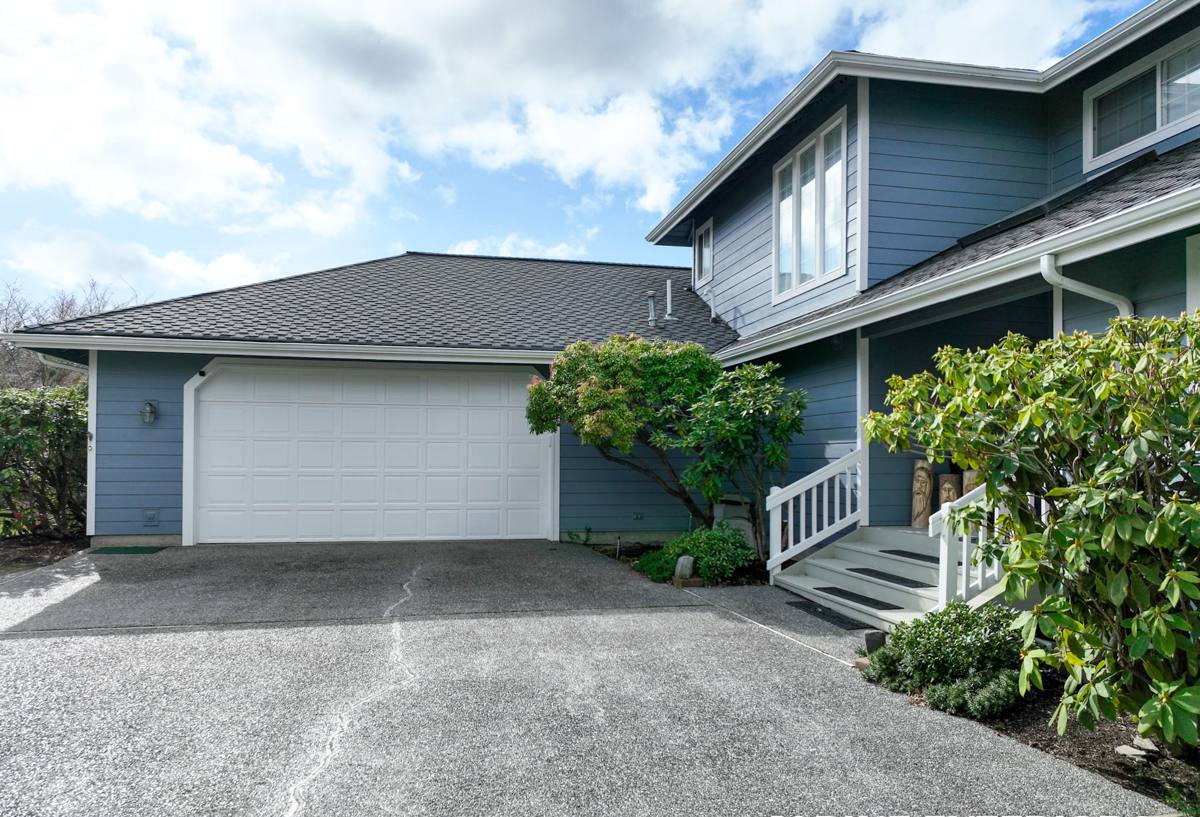
Signs Your Deck Needs Repair, Not Replacement
Most decks don't need a full teardown. They need targeted repair to the parts that are actually failing. Common signs worth calling about:
- Boards that feel spongy, bounce, or flex more than they used to
- Visible gaps or rust streaks where the deck meets the house (the ledger board)
- Railings or posts that wiggle when you lean on them
- Persistent green or black growth on the deck surface, especially in shaded areas
- Fasteners with rust rings, popped heads, or corrosion stains bleeding into the wood
- Soft or discolored wood at the base of posts, near planters, or where boards meet the ground
- Cupping, splitting, or checking in individual boards while the framing underneath still feels solid
Any one of these on its own is usually a repair, not a rebuild. The framing, footings, and posts on most decks outlast the decking surface by a wide margin if they were built correctly to begin with — which is why the inspection matters more than the estimate.
What a Correct Deck Repair Actually Involves
Starting Below the Surface
A repair that only addresses the boards you can see is a temporary fix. Before we touch decking, we check the structural layer underneath: joists, the ledger board connection to the house, post bases, and footings. This is where the real risk lives — a deck can look fine on top while the ledger flashing has failed and water has been tracking into the rim joist for years.
The Ledger Board and Flashing
The ledger is the board that attaches the deck to the house, and it's the single most common point of structural failure on older decks in wet climates. If it wasn't flashed correctly when built, or the flashing has failed, water gets behind it and rots the connection from the inside out — often invisibly until the deck starts to pull away from the house. Correcting this properly means removing enough decking to inspect and re-flash the ledger, not just caulking over the symptom.
Framing, Fasteners, and Hardware
Joist hangers, structural screws, and bolts take a beating from moisture cycling and salt air. We replace corroded hardware with fasteners rated for exterior and coastal-adjacent exposure, and we check that joist hangers are actually fastened with the correct nails or screws — a surprisingly common shortcut on older builds is hangers fastened with the wrong hardware, which weakens the connection even if the hanger itself looks fine.
Decking, Railings, and Surface Repairs
Once the structure underneath is sound, we address what you actually see: replacing split or cupped boards, tightening or rebuilding loose railings, resetting posts that have shifted, and cleaning or treating surfaces affected by moss and algae growth so the repair doesn't just get covered back over with the same conditions that caused the damage.
Problem Areas We See Most Often on Decks in This Area
Happy Valley's mix of tree cover, hillside lots, and proximity to the water creates a few recurring patterns:
- Shaded, north-facing decks hold moisture longer and grow moss faster, which keeps wood damp for extended stretches even between rain events
- Exposed fasteners on older decks corrode faster here than in drier inland areas, especially where standard coated screws or nails were used instead of stainless or hot-dip galvanized hardware
- Ledger connections on older additions built before current flashing standards were common practice
- Post bases set directly in or near soil without proper standoff, which wicks moisture into the end grain
- Stair stringers, which take constant foot traffic and weather exposure and are often the first structural element to show rot
None of these are unusual for the Pacific Northwest, but they show up consistently enough in this specific area — driving rain off the water combined with heavy tree canopy on many lots — that we plan repairs around them rather than treating every deck the same way.
Repair vs. Replace: What Actually Drives the Decision
| Factor | Repair Usually Makes Sense | Replacement Usually Makes Sense |
|---|---|---|
| Framing and joists | Solid to the touch, no soft spots or rot | Widespread soft or rotted framing |
| Ledger connection | Sound once re-flashed and re-fastened | Rim joist behind ledger is compromised |
| Footings and posts | Level, stable, no movement | Undersized, shifted, or heaving footings |
| Decking boards | Isolated cupping, splitting, or wear | Majority of boards failing or mismatched repairs already patched over problems |
| Age and code | Structure meets or can be brought up to current fastening standards | Original build predates modern connection hardware requirements significantly |
The honest answer is that most decks we're called out to inspect need repair, not replacement — but we won't know which one applies to your deck until we've actually looked underneath it. Anyone quoting a full rebuild sight unseen, or a repair without checking the ledger and framing, is guessing.
Our Deck Repair Process
- On-site inspection. We check framing, ledger flashing, posts, footings, hardware, and surface condition before quoting anything.
- Honest scope. We tell you what's actually failing versus what's cosmetic, and what happens if a given repair is deferred another season or two.
- Written estimate. Clear on what's being repaired, what materials and fasteners are being used, and why.
- Structural work first. Ledger, framing, and hardware get addressed before any surface-level work goes back on top of it.
- Surface and finish work. Decking, railings, and stairs are repaired or replaced to match, with attention to drainage and airflow so moisture doesn't pool in the same spots again.
- Walkthrough. We show you what was found, what was fixed, and what to keep an eye on going forward.
Materials and Hardware: Why the Details Matter Here
In a climate with this much rain and salt air exposure, the fasteners and flashing matter as much as the wood itself. We use stainless steel or hot-dip galvanized fasteners rated for exterior and coastal exposure rather than standard coated hardware, which corrodes faster in this environment and can fail years before the wood around it does. Flashing at the ledger is sized and installed to shed water away from the house, not just cover the gap. For decking material, pressure-treated lumber, cedar, and composite each have real trade-offs worth discussing honestly:
- Pressure-treated lumber is the most economical and repairable option but needs periodic sealing to perform well long-term in this climate
- Cedar resists rot naturally and looks good but is softer and more prone to surface wear from foot traffic and moss growth if not maintained
- Composite decking resists moss staining and rot better than wood but costs more upfront and any damaged boards typically need full-length replacement rather than a patch repair
We'll walk you through which option fits your deck's exposure, your budget, and how much maintenance you actually want to do.
Keeping a Repaired Deck in Good Shape
A correct repair should last, but a few habits extend that significantly in a wet, moss-prone climate like this one:
- Sweep leaves and debris off the deck regularly, especially in shaded areas where moisture lingers
- Clean moss and algae off the surface at the start of the wet season before it gets established, rather than after it's built up
- Check railings and stair connections for looseness once a year
- Keep planters and furniture from sitting directly on the decking for months at a time — trapped moisture underneath is a common cause of localized rot
- Reseal or re-stain wood decking on the manufacturer's recommended schedule, not just when it starts to look faded
- Have the ledger and framing checked every few years, since that's the area most likely to fail quietly
Why a Crew That Already Works Happy Valley Makes a Difference
Deck repair mistakes in this climate are usually mistakes of omission — a ledger that wasn't reflashed, hardware that wasn't upgraded for coastal exposure, a moss problem treated cosmetically instead of addressed at the moisture source. A crew that regularly works decks in Fairhaven and the surrounding Whatcom County area knows to check those specific things first, because they're the ones that actually cause repeat failures here. That's the difference between a repair that holds up through another wet season and one that needs to be redone in a few years.
If you're not sure whether your deck needs a repair, a rebuild, or nothing at all yet, we're glad to take a look. Estimates are free, there's no pressure, and you'll get a straight answer about what your deck actually needs — use the form below to get started.