 Fairhaven Siding
 Deck Replacement in Silver Beach: Built for the Weather Here
A deck in Silver Beach doesn't age the way a deck in a dry climate does. Between the salt-laden air rolling in off the water, the long stretches of driving rain that define a Whatcom County winter, and a moss season that can run from October well into spring, the structure under your feet is under constant, quiet attack. A deck replacement here isn't just about swapping old boards for new ones — it's about building something that's actually designed to hold up to this specific environment, not a generic deck dropped into a Pacific Northwest lot.
This page covers what deck replacement looks like specifically for homes in the Silver Beach area of Fairhaven: what tends to fail first, what a correctly built replacement involves, and what to expect when you work with a crew that already knows this neighborhood's conditions.
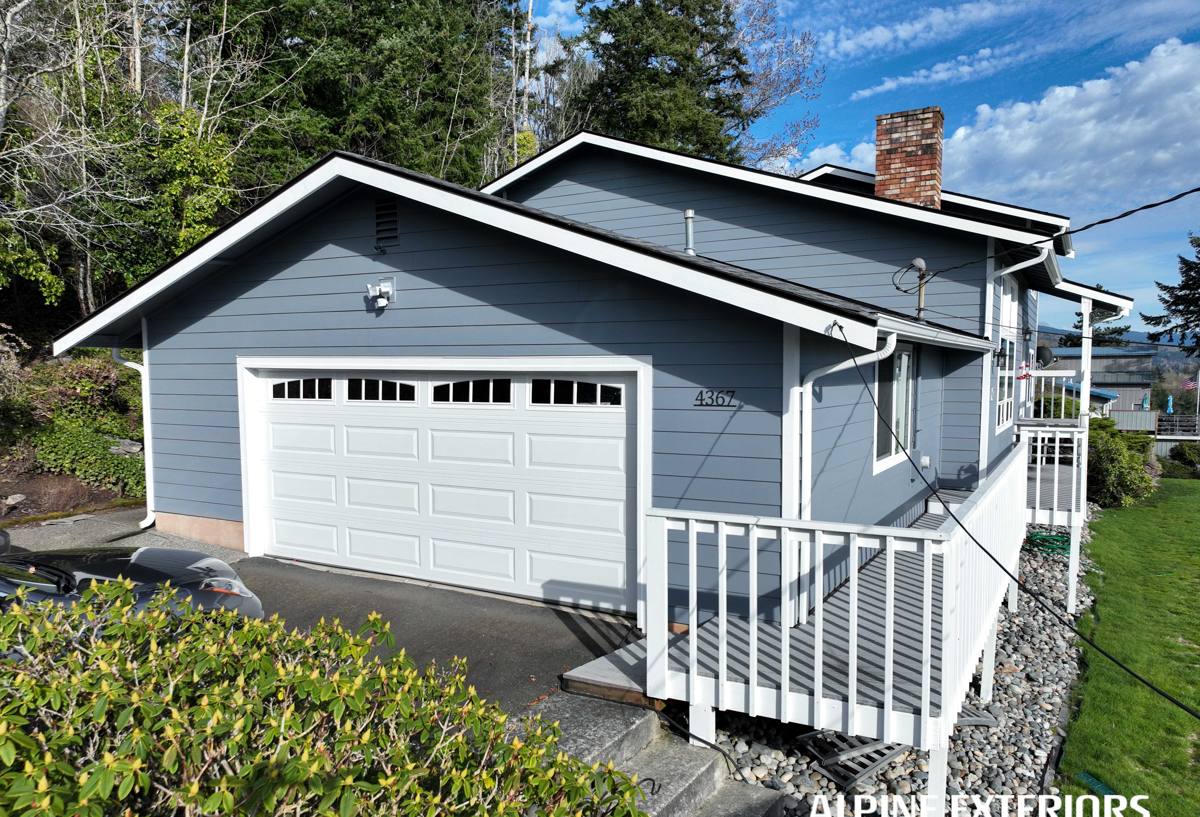
How the Local Climate Wears Down a Deck
Salt Air and Fasteners
Homes closer to the water deal with airborne salt that accelerates corrosion on anything metal — nails, screws, joist hangers, and structural brackets. A deck built with standard fasteners can show rust and weakened connections years before the decking surface itself looks worn out. This is one of the most common hidden problems we find: boards that still look serviceable sitting on hardware that's already failing underneath.
Driving Rain and Ledger Attachment
Wind-driven rain doesn't just fall on a deck, it gets pushed sideways into every gap, seam, and attachment point. The ledger board — where the deck bolts into the house — is the single most common failure point on older decks in this climate, because water finds its way behind poorly flashed ledgers and rots the framing from the inside, out of sight, for years.
Moss, Shade, and Standing Moisture
A long moss season means anything that stays damp for extended periods becomes a growth surface. Tight board spacing, poor airflow underneath the deck, and shaded corners all let moisture linger instead of drying out between storms. Moss and algae aren't just cosmetic — the moisture they hold against wood or composite decking accelerates rot in wood and can stain and degrade even low-maintenance materials over time.
Signs It's Time to Replace, Not Repair
Not every tired-looking deck needs a full replacement, but there's a point where patching boards is just delaying an inevitable, more expensive fix. Signs that push a deck from "repair" into "replace" territory:
- Soft, spongy, or spalling spots in the decking or framing when you press on them
- Visible rot, dark staining, or crumbling wood at the ledger board or post bases
- Rust streaks running down from screws, nails, or metal connectors
- Noticeable bounce, sway, or movement when walking across the deck
- Railings or stair stringers that feel loose or flex under weight
- Persistent moss or algae growth that returns within weeks of cleaning
- A deck older than 15-20 years that has never had structural components inspected or replaced
If you're seeing more than one or two of these, it's worth getting a professional assessment before someone gets hurt or the repair bill exceeds the cost of doing it right.
What a Correct Deck Replacement Actually Involves
A deck replacement worth paying for goes well beyond new boards on old bones. The parts that matter most are usually the parts you can't see once the project is finished:
- Framing and footings: joists, beams, and posts sized correctly for the deck's actual load, resting on footings that go below frost depth and bear on solid, undisturbed soil
- Ledger flashing: proper metal flashing and a waterproof membrane between the ledger board and the house so wind-driven rain can't work its way behind the attachment point
- Fastener grade: corrosion-resistant, code-rated hardware suited to salt-air exposure — not generic hardware store fasteners that will start rusting within a few seasons
- Decking material: boards chosen with this specific climate in mind, installed with correct gapping for drainage and airflow
- Guardrails and stairs: built to current code height and spacing requirements, not just matched to what was there before
- Under-deck airflow: enough clearance and ventilation underneath that moisture and moss have a chance to dry out between storms instead of sitting
Skipping any one of these is how a deck that looks great on installation day ends up needing structural repair again in five or six years instead of twenty-five.
Choosing Decking Material for This Climate
There's no single "best" decking material for every home — it depends on budget, how much upkeep you're willing to do, and how much sun or shade the deck gets. Here's how the common options actually perform in a salt-air, high-rain environment:
| Material | How It Holds Up Here | Maintenance | General Cost Tier |
|---|---|---|---|
| Pressure-treated lumber | Solid performer if properly sealed and re-sealed on schedule; vulnerable to moss and rot if maintenance lapses | Annual cleaning, periodic sealing/staining | Lowest upfront |
| Cedar | Naturally rot-resistant and handles moisture well, but softer and shows wear from foot traffic and moss faster without upkeep | Regular cleaning and finish maintenance | Mid-range |
| Capped composite | Strong choice for this climate — resists moisture absorption and won't rot; surface sheds moss more easily than wood | Occasional washing, no sealing or staining | Higher upfront |
| PVC decking | Fully synthetic, essentially immune to moisture damage and rot; performs very well in wet, salty conditions | Low — occasional washing | Highest upfront |
Our general standard: whatever material a homeowner chooses, the framing, flashing, and fasteners underneath get built to the same high standard, because that's the part that actually determines whether the deck lasts.
Permits and Building Code Basics
Most deck replacement projects in Whatcom County — especially ones that involve a new ledger attachment, new footings, or any change to the deck's size or height — require a building permit. Requirements can vary depending on the deck's height above grade and its footprint, so this isn't something to guess at. A contractor who's used to working in this area should handle the permit process as a normal part of the job, including scheduling the required inspections, not treat it as an optional extra or something the homeowner has to chase down themselves.
Skipping permits on a deck replacement is a real risk: unpermitted structural work can complicate a home sale later and, more importantly, it removes the outside check that catches framing or attachment mistakes before they become safety issues.
Our Deck Replacement Process
- On-site assessment: we check the framing, ledger, footings, and posts to determine what's actually salvageable versus what needs to come out
- Material and design walkthrough: we go over decking options, railing style, and layout based on your budget and how you use the space
- Permit and planning: we handle the permit application and scheduling with the local jurisdiction
- Removal: the old deck comes out, including any hidden rot in framing or ledger areas that wasn't visible until demo
- Framing and structural work: new joists, beams, posts, footings, and properly flashed ledger attachment
- Decking, railings, and stairs installed: to the material and design agreed on, with correct spacing for drainage and airflow
- Inspection: the required building inspection is completed before we consider the job done
- Final walkthrough: we go over the finished deck with you and cover any care or maintenance specific to the material chosen
Cost Factors in a Silver Beach Deck Replacement
Every deck is different, so a real number only comes from an on-site look. But these are the main variables that move a deck replacement's cost up or down:
| Factor | Why It Matters |
|---|---|
| Size and footprint | More square footage means more framing, footings, and decking material |
| Height above grade | Taller decks need more substantial framing, railings, and often more complex stair construction |
| Decking material | Composite and PVC cost more upfront than wood but need far less ongoing maintenance |
| Condition of existing structure | Hidden rot at the ledger or posts, discovered during demo, can add scope once it's exposed |
| Railings and stairs | Custom railing styles, multiple stair runs, or built-in features add labor and material cost |
| Site access | Decks that are hard to reach with equipment or material can add labor time |
Why a Crew That Already Works Silver Beach Matters
A deck built to a generic national spec sheet isn't the same as one built by a crew that already knows how salt air treats fasteners in this neighborhood, how far wind-driven rain travels under a poorly flashed ledger, and how much shade a given lot typically holds onto through moss season. That local pattern recognition is what catches the problems a first-time-in-the-area crew might miss — and it's what keeps a deck replacement from becoming a repeat project a few years down the road.
It also means someone who's familiar with how the local permitting process actually works, so the project moves without unnecessary delays or surprises.
Caring for a New Deck in This Climate
Whatever material you choose, a little seasonal attention goes a long way in this environment:
- Sweep debris off the deck regularly so moisture doesn't sit trapped under leaves or needles
- Clean moss and algae as soon as it appears rather than letting it establish
- Check and clear gaps between boards so water can drain instead of pooling
- Reseal or restain wood decking on the schedule appropriate for the product used
- Inspect railings and stair connections once a year for looseness or corrosion
If you're dealing with a deck in Silver Beach that's showing its age — or you just want an honest opinion on whether repair or replacement makes more sense — we're happy to take a look and walk you through it. Use the form below to request a free, no-pressure estimate.