 Fairhaven Siding
 Windows in Downtown Bellingham Face a Different Set of Conditions
A window on a home near downtown Bellingham isn't dealing with the same weather load as one thirty miles inland. The proximity to Bellingham Bay means salt-laden air works on hardware and finishes year-round. Wind off the water drives rain sideways into wall assemblies, not just straight down onto rooflines. And the long stretch of gray, wet months that defines a Whatcom County winter gives moss, algae, and mildew months at a time to take hold in any joint that isn't sealed correctly. None of this is dramatic on its own, but it adds up over the life of a window, and it's why installation quality matters more here than it would in a drier climate.
This page covers what window installation actually involves for homes in and around downtown Bellingham — what to look for, what a correct job includes, and why local experience with this specific stretch of coastline changes the outcome.
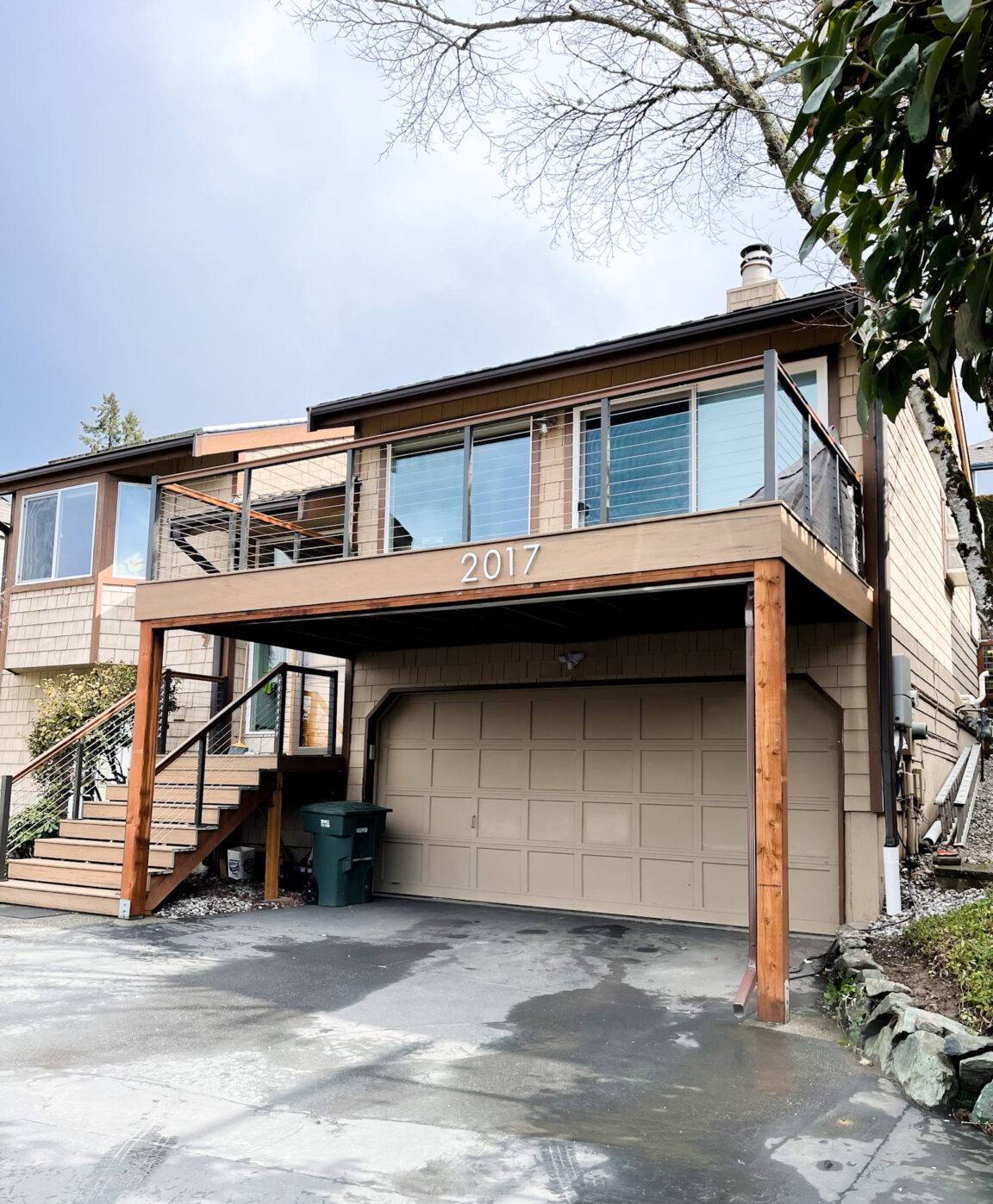
The Housing Stock Downtown Presents Its Own Challenges
Downtown Bellingham and the neighborhoods around it include a real mix of building ages — older wood-frame homes from the early 1900s sitting alongside mid-century construction and newer infill. Older homes in particular tend to have original wood-sash windows, settled framing, and wall assemblies that were never built with a modern weather-resistive barrier. That's not a problem by itself, but it means every installation has to be evaluated on its own rather than treated as a standard swap.
Retrofit vs. Full-Frame Replacement
On many older downtown homes, the existing window frame and trim are in good enough shape to keep, and a retrofit (or "pocket") replacement window can go into the existing opening. On others — especially where there's rot, settling, or the opening needs to change size — a full-frame replacement that goes back to the rough opening is the right call. Choosing wrong in either direction either wastes money or buries a moisture problem behind new trim. Part of our job on the first visit is figuring out honestly which one your house actually needs.
Older Wall Assemblies Need Extra Attention
Homes built before modern building wrap became standard often have little to no continuous drainage plane behind the siding. When we open up a window opening on a house like this, we're not just setting a new unit — we're often adding proper flashing and a drainage path that the original construction never had, so the new window doesn't just look better but actually sheds water the way it should.
Signs Your Windows Are Already Losing the Fight
Given how much moisture this area sees, window failure is rarely sudden — it shows up gradually, and homeowners often adjust to it without realizing how much is being lost through the wall.
- Fogging or a permanent haze between glass panes (failed seal on double- or triple-pane units)
- Soft or discolored wood trim at the sill or corners
- Visible moss, algae, or black staining collecting in the frame joints
- Drafts you can feel with a hand near the frame on a windy day
- Windows that stick, won't latch fully, or have visibly sagged out of square
- Condensation forming on the inside of the glass regularly through the winter
- A noticeable jump in heating costs without an obvious cause
Any one of these is worth a look. Several together usually mean the window — or the wall around it — has been taking on water for a while.
What a Correct Window Installation Actually Involves
The window unit itself is only part of the job. Most window failures we see aren't because the window was a bad product — they're because it wasn't installed with proper attention to water management. In a climate that gets driving rain off the water for months at a stretch, the installation details matter as much as the window brand.
Flashing and Water Management
Every opening needs a sill pan or flashing detail that directs any water that gets past the window itself back out, not down into the wall cavity. This includes proper integration with the house wrap or building paper, correctly lapped flashing tape at the head and jambs, and a sill that slopes outward rather than trapping water against the frame. This is the single most important part of the job and the part that's easiest to shortcut if a crew is moving fast.
Air Sealing and Insulation
The gap between the window frame and the rough opening needs to be filled with an appropriate low-expansion foam or backer rod and sealant — not stuffed with excess fiberglass, which does little to stop air movement and can hold moisture. Done right, this step is a major factor in how drafty (or not) a room feels in January.
Hardware and Materials for Coastal Air
Salt air accelerates corrosion on cheap fasteners, hinges, and cranks. We use corrosion-resistant fastening hardware and window components rated for coastal exposure, and we're careful about mixing metals in ways that cause galvanic corrosion over time — a detail that matters more here than it would inland.
Exterior Sealant and Trim Detailing
The exterior caulk joint and trim work around a new window is a maintenance item, not a one-time fix — but it should be done with a quality sealant rated for exterior UV and moisture exposure, applied in a bead that actually seals rather than just looks finished from the ground.
Choosing Window Materials for This Climate
There's no single "best" window material for every home — it depends on the house, the budget, and how much upkeep you want to take on. Here's how the common options compare for a coastal Whatcom County setting:
| Material | Moisture & Salt-Air Durability | Maintenance | Typical Cost Position |
|---|---|---|---|
| Vinyl | Good — won't rot or corrode; seams and hardware quality vary by manufacturer | Low — no painting, occasional cleaning | Most affordable |
| Fiberglass | Very good — dimensionally stable, resists warping in wet/dry cycles | Low | Mid to upper |
| Wood-clad (exterior clad, wood interior) | Good on the exterior if the cladding is intact; interior wood needs the cladding to stay sealed | Moderate — cladding protects the wood, but any breach needs prompt attention | Upper |
| Bare wood | Poor without diligent upkeep — this climate's rain and moss season are hard on exposed wood | High — regular painting/sealing required | Varies |
We steer most downtown Bellingham homeowners toward vinyl or fiberglass for straightforward replacements, simply because the maintenance burden of bare wood in this much rain and moss isn't realistic for most households. On historic homes where wood sash matches the character of the house, wood-clad options can work — it just needs an honest conversation about the upkeep involved.
Our Process for a Downtown Bellingham Window Job
Assessment and Measurement
We start by looking at the existing frame, sill, and surrounding wall — not just the glass. This tells us whether a retrofit or full-frame approach is right, and whether there's any hidden water damage that needs to be addressed before a new window goes in.
Removal and Opening Prep
Old windows come out carefully to avoid damaging trim or siding that's being kept. Any soft framing, missing flashing, or gaps in the drainage plane get corrected at this stage — this is the point where problems that have been hiding behind the old window get fixed, not covered up.
Installation
The new unit goes in level, plumb, and square, with sill pan flashing, properly lapped house wrap integration, correct fastening, and low-expansion foam or backer rod sealing the perimeter gap.
Exterior Finish and Cleanup
Trim is finished, exterior caulk joints are tooled properly, and the site is cleaned up. We walk the finished window with you before we consider the job done.
Energy Code and Permitting
Window replacement in Washington is governed by the state energy code, which sets minimum performance requirements (U-factor and, in some cases, solar heat gain) for replacement windows. Bedroom windows also have egress size and opening requirements if the window serves as a required emergency exit. Depending on the scope of the job — especially full-frame replacements that change the rough opening — a permit may be required. We handle this as part of the process rather than leaving it for the homeowner to sort out.
What Windows Typically Cost
Pricing depends on window size, material, whether it's a retrofit or full-frame replacement, and how many units are being done at once — a whole-house project brings the per-window cost down compared to a single replacement. As a broad guide, single-window replacements on a typical home usually land in the several-hundred-to-low-thousands range per window depending on those factors, with full-frame replacements and larger or specialty sizes running higher. We give a firm number after seeing the actual openings — not a phone estimate.
| Cost Factor | Why It Matters |
|---|---|
| Retrofit vs. full-frame | Full-frame work involves more labor, trim, and flashing rebuild |
| Window size and configuration | Larger units, bays, and multi-panel windows cost more than standard single or double-hung sizes |
| Material | Vinyl is typically the most affordable; fiberglass and wood-clad cost more up front |
| Number of windows in the project | Bundling windows into one job spreads setup and labor costs |
| Access and site conditions | Second-story or hard-to-reach openings take more time and equipment |
Why Working with a Crew That Knows This Area Matters
A window installer who mostly works inland doesn't necessarily think about salt-air hardware corrosion or wind-driven rain the same way a crew that works this stretch of Whatcom County does every week. We've seen how moss builds up in frame joints on shaded, north-facing walls near downtown, how driving rain off the bay finds gaps that would never be an issue in a drier area, and which details actually hold up through a full wet season here rather than just looking finished on installation day. That local pattern recognition is the difference between a window that performs for twenty-plus years and one that needs attention again in five.
If your windows in or near downtown Bellingham are drafty, fogged, sticking, or just overdue, we're happy to take a look and give you a straightforward assessment — no pressure, no upsell. Reach out for a free estimate using the form below, and we'll walk you through exactly what your home needs.