 Fairhaven Siding
 Why Windows in Bow Take a Different Kind of Beating
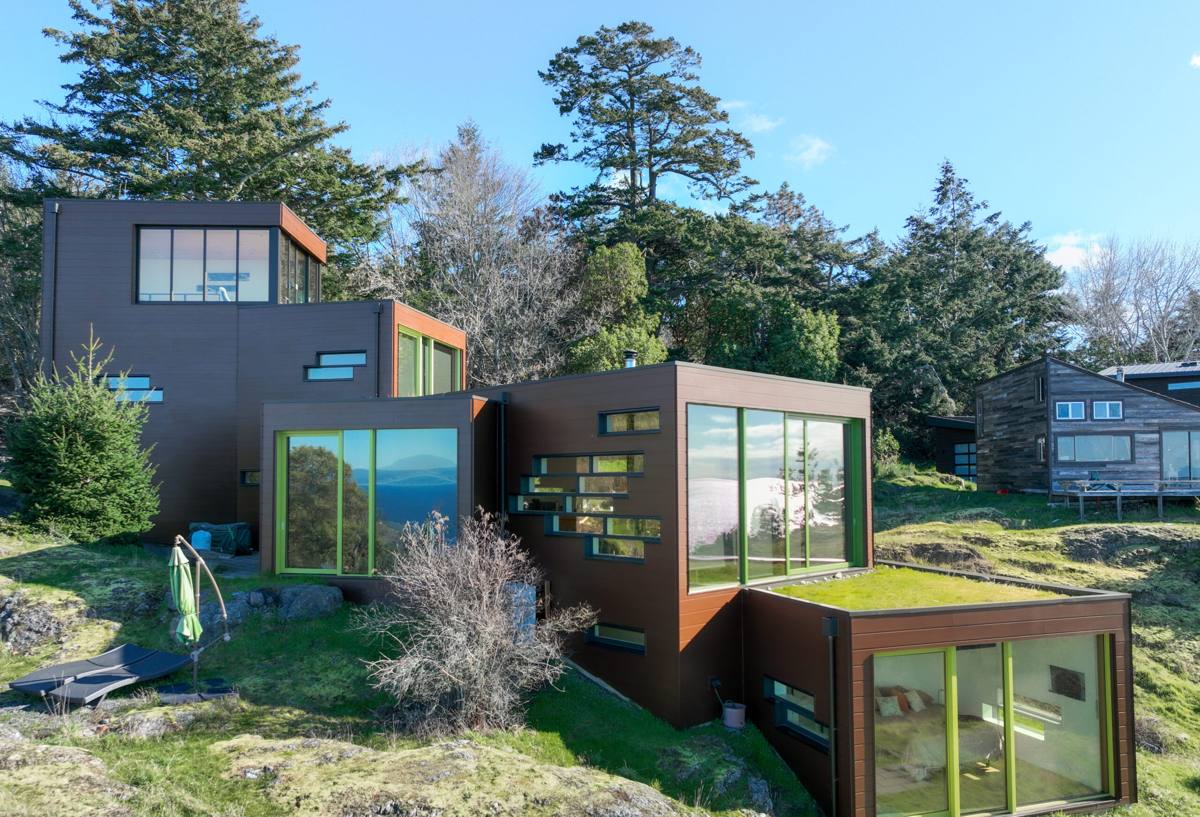
Bow sits close enough to Samish Bay and the broader Salish Sea shoreline that homes here deal with a combination of weather stresses that inland Whatcom County houses simply don't see as often. Salt-laden air corrodes hardware and finishes faster than dry air does. Wind-driven rain off the water pushes moisture into places a calm-weather window seal was never tested against. And the long, damp shoulder seasons that stretch from fall through spring keep humidity high enough, long enough, that moss and algae find a foothold on anything that stays wet — including window sills, trim, and frame corners that don't drain well.
None of that means Bow needs exotic or unusual windows. It means the ordinary decisions — frame material, glazing package, flashing detail, installation sequence — matter more here than they would in a drier climate, and getting them wrong costs more here too, because the failure modes (rot, seal failure, corroded hardware) show up sooner.
What the Local Climate Actually Does to a Window Over Time
Salt Air
Airborne salt is mildly corrosive to exposed metal — hinges, locks, balance mechanisms, and lower-quality cladding fasteners. It doesn't destroy a window overnight, but over a decade or two it can pit hardware, stain aluminum, and accelerate finish breakdown on anything not rated for coastal exposure.
Driving Rain
Storms coming off the water don't just fall straight down — wind pushes rain sideways and up under sills and trim. A window that's watertight in a light, vertical rain can still leak in a sideways storm if the flashing and sill pan weren't detailed for that. This is one of the most common reasons a "good" window ends up with rot inside the wall a few years after install: the water intrusion problem was never about the window unit itself, it was about how it was flashed into the wall.
Moss and Prolonged Dampness
Bow's moss season isn't a cosmetic issue confined to roofs. Moss and algae growing on window sills, exterior trim, and the bottom corners of frames hold moisture against wood and finish surfaces for weeks at a time. On lower-quality or poorly maintained wood-clad windows, that sustained dampness is what starts rot — not one big storm, but months of a wet sill that never fully dries between rains.
What "Energy-Efficient" Should Mean for a Bow Home
Energy efficiency in a window comes down to a handful of measurable properties, not marketing language. For this climate — cool, wet, moderate temperature swings rather than extreme heat or cold — the priorities are a low U-factor (how well the window resists heat loss) and a glazing package that controls condensation, since indoor humidity plus cool glass is a recipe for fogged, dripping windows all winter.
| Frame Material | How It Handles This Climate | Maintenance Burden |
|---|---|---|
| Vinyl | Good moisture resistance, no corrosion risk from salt air, consistent performance | Low — occasional cleaning |
| Fiberglass | Excellent dimensional stability in temperature and humidity swings, strong long-term option | Low |
| Aluminum | Prone to condensation without thermal breaks; can corrode or pit over time near salt air | Moderate to high |
| Wood / Wood-Clad | Attractive but vulnerable to sustained dampness and moss contact if sills aren't detailed and maintained well | High — regular inspection and finish upkeep |
We're not telling homeowners a given material is bad — each has a place. Our standard is that whatever frame material a Bow homeowner chooses, it needs a glazing spec and installation detail that accounts for driving rain and sustained moisture, or the frame material's advantages won't matter.
Signs Your Current Windows Are Working Against You
- Condensation building up between the panes (not just on the inside surface) — this means the seal has failed and the insulating gas is gone
- Drafts you can feel near the frame even when the window is fully latched
- Sills that stay damp or show moss/algae growth days after the last rain
- Wood trim or sill that feels soft, spongy, or shows dark staining
- Hardware that's stiff, corroded, or won't latch tightly anymore
- Noticeably higher heating bills compared to similarly sized rooms elsewhere in the house
- Visible daylight or gaps around the frame from outside
Any one of these on its own might just mean a tune-up or re-caulk is due. Several of them together, especially on windows facing the prevailing weather, usually means it's time to replace rather than patch.
What a Correct Installation Actually Involves
Removal and Inspection
Before a new window goes in, the old opening gets inspected for hidden damage — soft framing, rot around the sill, or evidence of past water intrusion. This is the point where problems are cheapest to catch. Installing a new window over a compromised opening just hides the issue for a few more years.
Flashing and the Sill Pan
This is the detail that matters most for Bow's driving-rain exposure. A properly flashed opening includes a sloped sill pan that sheds any water that does get past the window back outside, rather than letting it sit against the framing. Head and jamb flashing need to integrate correctly with the house wrap or building paper so water is directed down and out, never trapped behind the cladding.
Sealing Without Trapping Moisture
Interior air sealing keeps conditioned air in and drafts out, but the exterior side needs to stay able to drain and dry. Sealing a window airtight on both the inside and outside can trap moisture that gets in through any small imperfection, which is worse than a small amount of drainage capacity left open on purpose.
Hardware Selection
For homes closer to the water, we favor hardware and fasteners rated for coastal or high-humidity exposure rather than standard-grade hardware that looks fine on day one but starts corroding within a few years.
Our Process for Bow Homeowners
- On-site assessment — we look at each window's exposure (which walls take the worst weather), current condition, and any signs of past water intrusion before recommending anything.
- Honest product recommendation — matched to your budget, the home's style, and which openings actually need premium glazing or hardware versus which don't.
- Written estimate — clear on scope, materials, and timeline, no pressure to decide on the spot.
- Proper tear-out and opening inspection — catching hidden rot or flashing problems before the new unit goes in, not after.
- Installation with climate-appropriate flashing and sealing — sill pans, correct flashing integration, and hardware suited to salt-air exposure.
- Final walkthrough — operation, sealing, and cleanup checked with you before we call the job done.
What Affects Cost
| Factor | Why It Matters |
|---|---|
| Frame material | Vinyl is typically the most budget-friendly; fiberglass and wood-clad options cost more upfront but offer different longevity and appearance trade-offs |
| Glazing package | Double vs. triple pane, and coatings for condensation and heat control, change both cost and performance |
| Opening condition | Hidden rot or old flashing failures found during tear-out add labor to fix correctly before the new window goes in |
| Exposure | Walls facing prevailing wind and rain may warrant upgraded flashing detail or hardware, adding modest cost for real long-term protection |
| Number of openings | Full-home replacement typically brings a better per-window rate than one-off replacements |
Whole-home window replacement costs range widely depending on these factors — we'll give you real numbers for your specific home during the estimate rather than a generic figure that doesn't apply to your situation.
Why a Crew That Already Works in Bow Makes a Difference
Window installation isn't just a product decision — it's a set of judgment calls about flashing, sealing, and exposure that change based on where the house sits and which way it faces the weather. A crew that regularly works homes in Bow and around Fairhaven has already seen how driving rain off the water behaves against different wall orientations, how quickly moss establishes on north- and west-facing sills in this specific microclimate, and which installation shortcuts show up as callbacks two winters later. That local pattern recognition is hard to substitute with a generic install crew working from a national playbook, and it's the difference between a window that looks right on install day and one that's still performing correctly ten winters from now.
Maintaining New Windows in a Wet, Salty Climate
- Rinse salt residue off frames and glass periodically if you're close to the water, especially after storms
- Keep sills and tracks clear of moss, leaves, and debris so water can drain instead of pooling
- Check weep holes (the small drainage openings at the bottom of the frame) aren't blocked by paint, caulk, or debris
- Re-caulk exterior trim joints if you notice cracking or gaps — small maintenance now prevents bigger repairs later
- Operate hardware periodically through the wet months so mechanisms don't seize from disuse and moisture
If you're noticing drafts, fogged glass, or damp sills on your Bow home and want a straightforward opinion on whether repair or replacement makes sense, we're happy to take a look. The estimate is free, there's no pressure, and you'll get a clear answer about what your windows actually need.