 Fairhaven Siding
 Why Siding Installation in Ferndale Is Its Own Problem to Solve
Ferndale sits close enough to the water and to the open exposure around Fairhaven that siding here takes a different kind of beating than siding fifty miles inland. It isn't one dramatic storm that does the damage — it's the accumulation. Salt-laden air moves through year-round, driving rain comes in sideways off the water during fall and winter systems, and the shaded, damp stretches of the year keep siding wet longer than manufacturers assume when they write their installation specs. A siding job that would hold up fine in a drier part of the state can fail early here if it wasn't built with this specific exposure in mind.
That's the lens we use on every Ferndale and Fairhaven siding installation: not "what's the standard install," but "what does this house need to survive this particular stretch of Whatcom County."
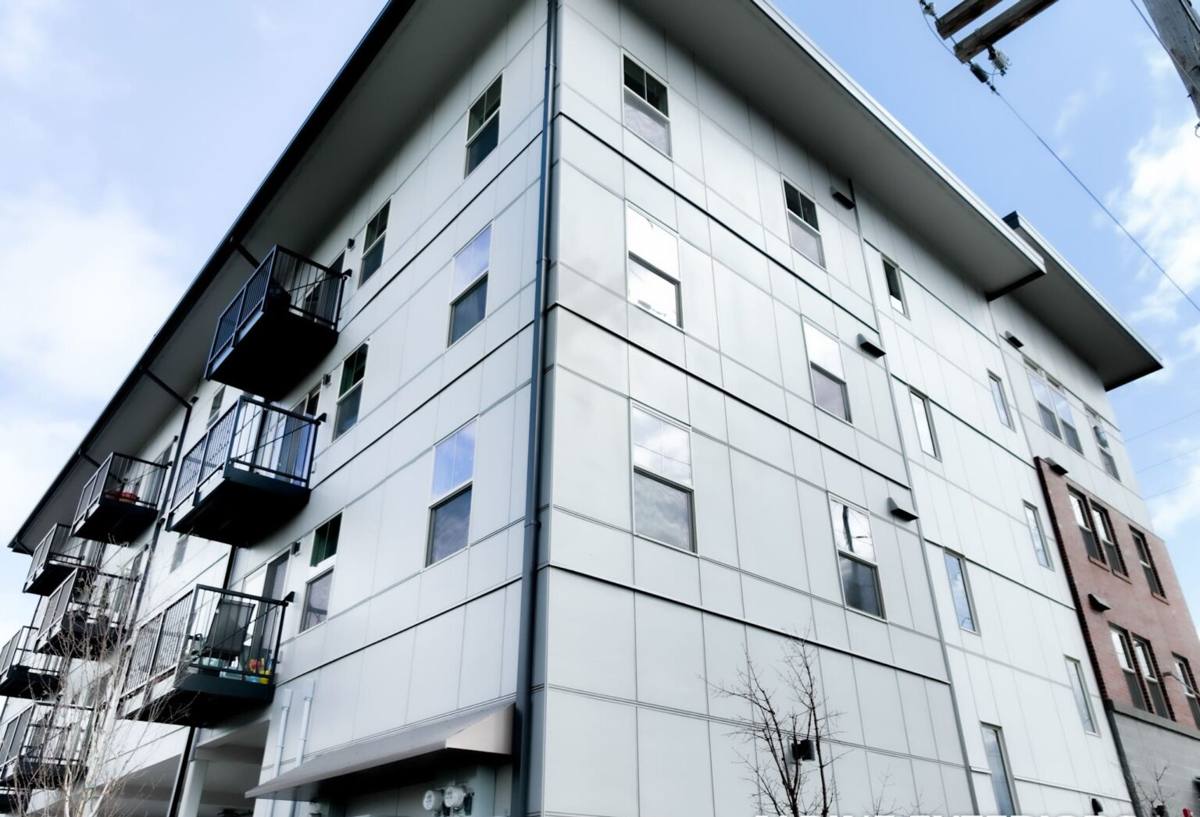
What Salt Air, Driving Rain, and Moss Season Actually Do to Siding
Salt Air
Airborne salt is corrosive to exposed metal — fasteners, flashing edges, trim caps — and it accelerates the breakdown of coatings that aren't rated for it. Siding materials that rely on a painted or primed surface finish tend to chalk and fade faster near the water, which means more frequent repainting just to keep water out of a material that's already vulnerable to moisture.
Driving Rain
Wind-driven rain doesn't just fall on a wall — it gets pushed sideways and upward into laps, seams, and any gap in the water-resistive barrier. A siding system depends on correct lap spacing, fastening, and flashing detail to shed that water before it reaches the sheathing. Get any of those wrong and the house looks fine for a year or two while moisture quietly works behind the surface.
Moss Season
Western Washington's long, wet, low-sun stretch from fall through spring is exactly what moss and algae need to establish on north-facing and shaded wall sections. Beyond the cosmetic issue, moss holds moisture against the siding surface for extended periods, which is a problem for any material that isn't dimensionally stable when wet.
What a Correct Siding Installation Involves in This Climate
A siding installation is really a water-management system with a finished surface on top of it. In a climate like Ferndale's, every layer matters more than it would somewhere drier.
- A continuous, correctly lapped weather-resistive barrier (house wrap) with no gaps, tears, or reversed laps
- Properly integrated flashing at every window, door, deck ledger, and roof-to-wall intersection — installed to shed water down and out, not just caulked over
- Correct minimum clearance between the bottom of the siding and grade, decks, patios, and roof lines so splash-back and standing water don't sit against the material
- Manufacturer-specified fastener placement, type, and depth — not gun-set to whatever's fast
- Correct panel and lap spacing to allow for expansion without trapping water
- Sealant used only where the manufacturer calls for it, not as a substitute for proper flashing
Skipping or rushing any one of these doesn't usually show up on install day. It shows up two, five, or ten years later as soft trim, stained sheathing, or paint failure — right when it's expensive to trace back to the cause.
Why We Install James Hardie Fiber Cement — and Nothing Else
We standardized on James Hardie fiber cement siding for every job we do, including here in Ferndale, and we don't install vinyl, LP SmartSide, or wood-based siding products. That's not a marketing position — it's a decision driven by what holds up in this exact climate.
Fiber cement is non-combustible, dimensionally stable when it gets wet and dries out repeatedly, and doesn't rely on a field-applied paint job for its long-term finish. James Hardie's ColorPlus factory finish is baked on and warrantied separately from the substrate, which matters directly for salt air exposure — you're not depending on a job-site paint crew to get full, even coverage that will hold color and adhesion near the water. Hardie also makes climate-engineered HZ product lines, and the HZ5 formulation is built specifically for the wetter, harsher conditions found in the Pacific Northwest and other high-moisture regions, rather than a one-size-fits-all product sold nationwide.
Products like vinyl and engineered wood have real advantages in the right application — cost, weight, ease of install — but each has a trade-off that matters more here than elsewhere: vinyl can warp and its seams are a long-term water path; wood-based composite siding depends heavily on end cuts, caulking, and paint maintenance staying ahead of moisture intrusion, which is a harder standard to hold in a climate this wet for this much of the year. We'd rather install one product correctly, to spec, than manage the maintenance schedule that keeps a less moisture-tolerant material performing.
Our Installation Process for Ferndale Homes
| Step | What Happens |
|---|---|
| Site Assessment | We look at wall exposure, existing moisture damage, drainage around the foundation, roof-to-wall details, and any shaded or north-facing walls likely to hold moss |
| Tear-Off & Sheathing Check | Old siding comes off and sheathing is inspected for rot or soft spots before anything new goes on — this is where hidden water damage from a prior install gets caught |
| Water Barrier & Flashing | New house wrap installed continuous and correctly lapped; flashing set at every penetration and transition point |
| Hardie Panel Installation | Installed to James Hardie's published fastening, spacing, and clearance specifications — not a generalized siding install |
| Trim & Detail Work | Corners, window and door trim, and transitions finished to shed water rather than just look finished |
| Final Walkthrough | Clearances, caulk lines, and fastener patterns checked before we call the job done |
Cost Factors for a Ferndale Siding Installation
Every house is different, but the same handful of factors move the price on most jobs in this area:
| Factor | Why It Matters Here |
|---|---|
| Extent of hidden moisture damage | Salt air and driving rain make rot behind old siding more common than in drier regions; repairs found mid-project affect scope |
| Wall exposure and complexity | Multiple stories, dormers, and cut-up wall lines take longer to flash and finish correctly |
| Trim and profile selection | Board-and-batten, lap width, and trim detail all affect material and labor |
| Access and site conditions | Tight lots, slopes, or landscaping near the foundation affect staging and cleanup time |
| Existing siding removal | Full tear-off versus siding installed over existing sheathing changes labor scope |
We give straightforward estimates after seeing the house in person — not a phone-quote range that changes once we're on site.
Why Hiring a Crew That Already Works in This Area Matters
A crew that mainly works drier inland areas can still install siding competently on paper and still get this climate wrong — because the details that matter most here (clearance from grade, flashing at deck ledgers, fastener choice for salt exposure) aren't emphasized the same way in a general installation manual. A crew that regularly works Ferndale, Fairhaven, and the rest of Whatcom County has already seen what fails on these specific walls in this specific weather, and builds toward preventing it rather than reacting to it after a callback.
That local pattern recognition is also why we standardized on one product installed one correct way, rather than offering every siding option on the market. Fewer variables mean fewer places for a crew to cut a corner without noticing.
Signs Your Current Siding Isn't Holding Up
- Soft or spongy spots when you press on the siding, especially near the bottom courses
- Persistent moss or algae growth that returns quickly after cleaning
- Paint that's peeling, bubbling, or chalking faster than a normal repaint cycle
- Visible gaps, warping, or buckling at seams and corners
- Staining or discoloration on interior walls near exterior corners or windows
- Caulk that's cracked or missing at trim and flashing joints
Any one of these on its own isn't necessarily an emergency, but a few of them together usually means water has been getting behind the siding for a while.
Maintaining Fiber Cement Siding Once It's Installed
James Hardie siding is lower-maintenance than most alternatives, but "low-maintenance" isn't "no-maintenance" in a climate that grows moss for most of the year. A soft wash on a normal schedule keeps algae and moss from establishing, and checking caulk lines at trim and penetrations once a year catches small failures before they become water problems. Because the factory finish is warrantied separately, most of what a homeowner needs to do is simple upkeep rather than repainting.
If you're in Ferndale or elsewhere around Fairhaven and want a straight answer on whether your siding is doing its job — or what a correct replacement would actually involve — we're happy to come take a look. The estimate is free, there's no pressure, and you'll get a clear explanation of what we see and why, using the form below.