 Fairhaven Siding
 Roof Damage on Lummi Island Isn't Like Roof Damage Everywhere Else
Lummi Island sits out in the water, and that changes what a storm does to a roof. Homes here take wind from more directions than a typical inland property, because there's less tree cover and terrain to break it up on the exposure sides. Add the ferry-dependent logistics of getting crews and materials on and off the island, and you end up with a lot of roofs that sit damaged longer than they should, simply because getting someone qualified out there felt like a hassle. That's the gap we try to close. We already work Whatcom County's shoreline communities regularly, Lummi Island included, so a repair call here isn't a special trip — it's part of the normal route.
This page is specifically about storm damage repair for Lummi Island roofs: what typically needs attention after wind and rain events, what a correct repair actually involves, and how we handle the logistics of working on an island without cutting corners on the work itself.
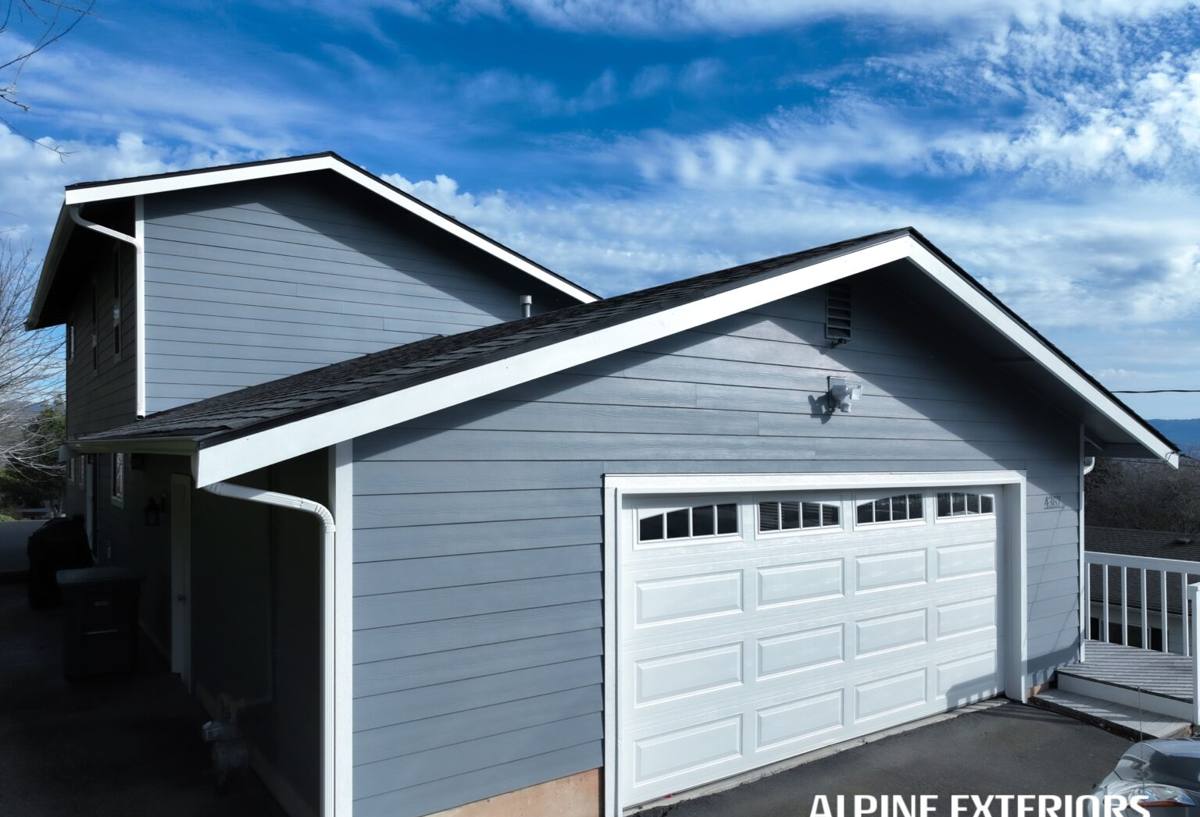
What Whatcom County Storms Do to a Roof Out Here
The climate on Lummi Island is shaped by the same Pacific weather systems that hit Fairhaven and the rest of Whatcom County, but with a few things intensified by being surrounded by saltwater.
Salt Air and Metal Fatigue
Salt-laden air accelerates corrosion on exposed fasteners, flashing, and any metal roofing components. A screw or nail that would last many years inland can start showing rust streaks or backing out sooner on an island roof. After a storm, we're not just looking for obvious damage — we're checking whether salt exposure has already weakened the metal that's supposed to be holding things together.
Wind-Driven Rain and Uplift
Storms coming off the water often bring rain at an angle, driven hard enough to work its way under shingle edges, ridge caps, and flashing that would otherwise shed water fine in a straight-down rain. Wind uplift on exposed roof faces can loosen or lift shingles even when nothing looks obviously "blown off" from the ground. That's often where slow leaks start — not from a dramatic hole, but from an edge that's been lifted just enough to let water track underneath.
Moss Season
Whatcom County's long wet season is good moss-growing weather, and moss holds moisture against roofing material for extended periods. A roof that goes into storm season with moss buildup is more vulnerable — moss traps water at the exact seams and edges storms are trying to force water into, and it can lift shingle tabs just enough to give wind something to grab. Storm damage repair on an island roof often turns up moss-related wear alongside the storm event itself, and it's worth addressing both at the same time rather than patching the storm damage and leaving the moss problem to cause the next leak.
Signs Your Roof Needs a Storm Damage Inspection
- Water stains on interior ceilings or upper walls, especially after a windy rain event
- Granules collecting in gutters or at downspout outlets
- Shingles that look lifted, curled, or missing when viewed from the ground
- Flashing around chimneys, vents, or skylights that looks bent, separated, or rusted
- Visible moss or dark streaking combined with any of the above
- A draft or damp smell in the attic that wasn't there before the storm
Any one of these on its own might be minor. Two or more together, especially after a named storm system or a stretch of high wind, is worth a real inspection rather than a wait-and-see approach.
What a Correct Storm Damage Repair Actually Involves
A lot of storm repair work in this region gets done as a surface patch — seal the visible gap, replace the obviously missing shingle, call it done. That approach misses the reason storms damage island roofs in the first place, which is usually a combination of wind uplift and moisture intrusion working together, not a single isolated spot.
Step One: Find Where Water Actually Went
Water doesn't always show up where it entered. It can travel along the roof deck or down a rafter before showing a stain inside. A proper repair starts by tracing the path, not just patching the point where the leak became visible.
Step Two: Check the Deck, Not Just the Surface
If water has been getting in for any length of time, the roof deck underneath can be softened or delaminating. Replacing shingles over a compromised deck doesn't fix anything — it just hides the problem until the next storm. We check deck condition before deciding what level of repair is actually needed.
Step Three: Address Flashing and Transitions
Flashing failures — around chimneys, vent pipes, skylights, and roof-to-wall transitions — are one of the most common real causes of storm leaks, more often than the shingle field itself. Salt air speeds up flashing corrosion, so this gets specific attention on island properties.
Step Four: Match Materials and Fastening for the Exposure
Fastening patterns and material choices that hold up fine on a sheltered inland roof may not hold up on a more wind-exposed island roof face. Where it's warranted, we adjust fastening schedules or material specs to the actual exposure of that roof, rather than treating every repair the same regardless of location.
Repair vs. Replacement: How We Make That Call
Not every storm-damaged roof needs full replacement, and not every roof that "looks bad" from moss and weathering is actually failing. The honest answer depends on a few factors, and we walk homeowners through them rather than defaulting to the most expensive option.
| Factor | Leans Toward Repair | Leans Toward Replacement |
|---|---|---|
| Age of existing roof | Roof is well within its expected service life | Roof is at or past the age where materials are failing generally |
| Extent of damage | Isolated to one section or one storm event | Multiple areas affected, or damage layered on top of pre-existing wear |
| Deck condition | Deck is sound underneath | Deck shows soft spots, rot, or delamination in multiple areas |
| Moss/moisture history | Minimal prior moss or trapped moisture | Long-term moss buildup has already compromised underlying material |
| Flashing condition | Flashing is sound, just needs resealing or minor repair | Flashing is corroded or failing throughout |
We'll tell you plainly which side of that table your roof falls on, and why, before any work starts.
Working on Lummi Island: Why Logistics Matter Here
Ferry scheduling is a real constraint for any contractor working on Lummi Island, and it affects more than just travel time. It affects how a crew plans a repair day — getting the right materials, tools, and crew size across on the same trip, and not having to make a return run mid-repair because something was forgotten. Crews unfamiliar with the island tend to underestimate this and either show up under-prepared or treat the job as rushed because of the ferry schedule.
We plan Lummi Island storm repair calls around the ferry from the start — materials staged, crew sized correctly for the job, and enough time budgeted on-island to do the repair properly rather than rushing to catch a return sailing. That planning is part of what "hiring a crew that already works Lummi Island" actually buys you: fewer surprises, and a job that gets finished in the visit instead of dragging into a second or third trip.
Emergency Tarping and Temporary Protection
When a storm causes active leaking or exposes the roof deck, the first priority is stopping ongoing water intrusion, not a full repair on the spot. Temporary tarping or board-up work protects the interior and buys time to plan the actual repair correctly, including ordering any materials that need to come over on the ferry. Rushing a permanent repair in bad conditions, or before the full extent of damage is understood, tends to create rework later.
What to Expect From Our Process
- An honest, on-roof inspection — not just a look from the ground or a drone photo
- A clear explanation of what's damaged, what's causing it, and what it will take to fix it correctly
- A written estimate before any work begins, with repair and (if relevant) replacement options laid out separately
- Materials and fastening chosen for this roof's actual wind and salt exposure, not a one-size-fits-all spec
- Crew and material logistics planned around the ferry, so the visit isn't rushed
- A finished repair that addresses the cause of the leak, not just the visible symptom
Insurance Claims and Documentation
Storm damage repairs are often tied to a homeowner's insurance claim. We document damage clearly — what we find, where, and why it's consistent with storm impact — so homeowners have straightforward information to work with when filing. We're not an adjuster and don't represent that we speak for the insurance company, but a clear, honest assessment from the contractor doing the physical inspection tends to make that process smoother on the homeowner's end.
Get a Straight Assessment, No Pressure
If your Lummi Island roof took a hit in a recent storm, or you're not sure whether what you're seeing is storm damage, ongoing moss and moisture wear, or both, we're glad to come take a real look. The estimate is free, there's no pressure to book anything on the spot, and you'll get a plain explanation of what we find. Use the form below to request a visit.