 Fairhaven Siding
 Roof Repair in Marietta: Built for Bellingham Bay Weather
Marietta sits close enough to Bellingham Bay that its homes take on a different kind of weathering than a roof further inland. Salt-laden air off the water, driving rain that comes sideways during winter storms, and a moss season that can run most of the year all work against asphalt shingles, flashing, and underlayment in ways that are easy to underestimate until a leak shows up in a ceiling. We do roof repair work in and around Marietta regularly, and the patterns we see here are consistent enough that we've built our repair process around them rather than treating every call as a one-off.
This page is about roof repair specifically — not full re-roofing, not siding, not gutters on their own. If your roof has a known problem area, a leak, storm damage, or is just past due for an honest inspection, this is what that job actually looks like when it's done right.
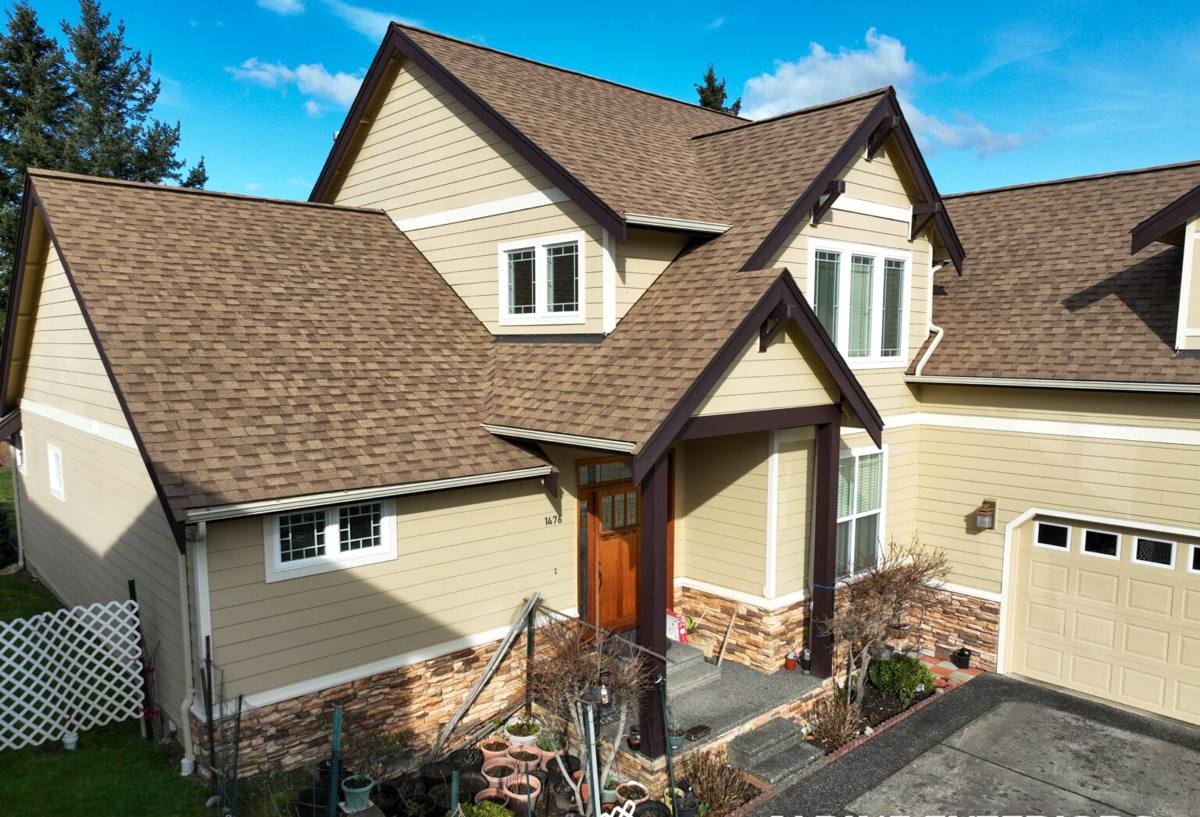
What Salt Air and Moss Season Do to a Roof Near the Bay
Salt Air and Metal Components
The metal parts of a roof — flashing, nail heads, vent stacks, gutter hangers — corrode faster near saltwater than they do a few miles inland. Once flashing starts to pit or a fastener rusts through, it stops sealing the way it's supposed to, and water finds the smallest gap. This is usually a slow failure, which is exactly why it goes unnoticed until it shows up as a stain on drywall.
Moss, Shade, and Standing Moisture
Whatcom County's wet season is long, and roofs in Marietta that sit under tree cover or face north often stay damp for weeks at a stretch. Moss and moss-adjacent growth take hold in that environment, and as it spreads it lifts shingle edges, holds moisture directly against the roof deck, and channels water sideways instead of letting it run off. Left alone long enough, moss doesn't just look bad — it shortens the life of the roofing material underneath it.
Driving Rain and Wind-Driven Water
Storms off the bay don't always come straight down. Wind-driven rain can push water uphill under shingle laps, around chimneys, and into valleys that were never designed to handle water moving sideways. That's a big part of why flashing detail and underlayment quality matter more here than in drier climates — a repair that only addresses the visible shingle damage and ignores the flashing underneath tends to fail again within a season or two.
Common Roof Repair Needs We See in Marietta
- Lifted or cracked shingles along the roof edges, where wind and driving rain hit hardest
- Moss buildup in valleys and along north-facing slopes, with soft or discolored decking underneath once it's cleared
- Corroded or failing flashing around chimneys, skylights, and roof-to-wall transitions
- Leaks that show up well away from the actual point of entry, because water traveled along the deck before dripping through
- Clogged or corroded gutters and downspouts contributing to water backing up under the roof edge
- Nail pops and exposed fasteners that have started to rust and lose their seal
What a Correct Roof Repair Actually Involves
A repair that just swaps out a few visibly damaged shingles can look fine from the ground and still leak again within a year. The reason is that shingles are rarely the whole story — they're the layer you can see, but the underlayment, flashing, and deck condition underneath determine whether water actually stays out.
A correct repair starts with figuring out where the water is actually getting in, which is not always where the stain shows up inside. From there, it means pulling back enough of the roofing to inspect the deck for soft spots or rot, replacing any compromised flashing rather than caulking over it, and matching the shingle repair to the surrounding material so it sheds water the same way the rest of the roof does. Caulk and roofing cement have a place in roofing, but they're a short-term patch, not a substitute for proper flashing and shingle work — we use them where they belong and not as a stand-in for a real fix.
Repair, Patch, or Replace: How We Help You Decide
Not every roof problem in Marietta needs a full replacement, and not every leak can be fixed with a small patch. The right call depends on the roof's age, how widespread the damage is, and what we find once we're actually up there looking at the deck and flashing.
| Situation | Typical Approach | What We're Watching For |
|---|---|---|
| Isolated leak, roof under 12-15 years old | Targeted repair — flashing, shingles, or both | Deck condition around the leak, whether nearby shingles are still sealing well |
| Moss coverage with no active leak yet | Moss removal, treatment, and spot repair of any lifted shingles | Soft decking under heavy moss, granule loss on surrounding shingles |
| Multiple leak points or widespread wear | Larger repair or partial re-roof of the affected slope | Whether the underlayment has failed broadly or just locally |
| Roof near or past its expected service life | Repair as a stopgap, with an honest conversation about replacement timing | Overall deck integrity, how much of the roof is affected versus one area |
We'll tell you plainly when a repair is the right call and when it's just delaying a bigger expense — our goal is an honest assessment, not the biggest invoice we can write.
Our Roof Repair Process
1. Inspection First, Estimate Second
We get on the roof before we quote anything. That means checking the deck, the flashing, the ventilation, and the condition of shingles beyond just the spot you called us about, since one leak is often a sign of a broader moisture issue.
2. A Clear, Written Scope
You get a straightforward explanation of what's wrong, what we're going to do about it, and why — not a vague line item for "roof repair." If we find rot or additional damage once we open things up, we tell you before we proceed, not after.
3. The Repair Itself
Damaged decking gets replaced, not covered over. Flashing gets properly integrated with the surrounding roofing, not just sealed with caulk. Shingles are matched as closely as possible to your existing roof so the repair blends in and performs consistently with the rest of the surface.
4. Cleanup and Final Check
We clear debris, check gutters and downspouts near the repair for anything that could undermine the work, and walk the job before we call it done.
Materials and Methods We Use
For most repair work in the Marietta area, we use standard architectural asphalt shingles matched to what's already on the roof, corrosion-resistant flashing appropriate for a marine-influenced climate, and synthetic underlayment where the existing underlayment needs to be extended or replaced. We favor mechanically sound flashing details over heavy sealant use, because sealant degrades with UV and temperature swings while properly formed flashing doesn't rely on a chemical bond to keep water out. Where moss has been an issue, we'll talk with you about zinc or copper strips as a long-term deterrent, since they're a low-maintenance way to slow regrowth without repeated chemical treatments.
Why a Crew That Already Works Marietta Matters
Roofing problems tied to salt air, moss, and wind-driven rain aren't universal — they're specific to homes exposed to bay weather the way Marietta's are. A crew that mostly works drier inland neighborhoods can still do competent repair work, but they may not immediately recognize how far moss-related moisture has traveled under a shingle line, or how much extra attention flashing near the water deserves. Working this area regularly means we've seen how these roofs age here specifically, and we bring that pattern recognition to every inspection rather than treating your roof like a generic textbook case.
It also means a shorter distance to travel for follow-up, which matters if you want someone to check their own work after the next big storm rather than just moving on to the next job.
A Seasonal Roof Maintenance Checklist
Between repairs, a little attention goes a long way toward avoiding the next call. This is what we recommend homeowners in Marietta keep an eye on through the year:
- Look up after any significant windstorm for lifted, cracked, or missing shingles
- Keep gutters and downspouts clear, especially going into the wet season
- Watch for moss starting on shaded or north-facing slopes and address it early rather than after it spreads
- Check attic spaces periodically for damp insulation, staining, or musty odor — early signs of a slow leak
- Trim back tree limbs that keep sections of the roof shaded and slow to dry
- Have flashing around chimneys and skylights checked every few years, since it fails quietly and often before shingles do
If you're dealing with a leak, storm damage, or just want an honest read on where your roof stands, we're glad to come take a look. Estimates are free, there's no pressure attached, and you'll get a clear explanation of what we find either way.