 Fairhaven Siding
 Metal Roofing in Puget: A Different Job Than Most of the Country
Homes in the Puget area near Fairhaven sit close enough to the water that salt air is part of daily life, whether you notice it or not. Add Whatcom County's long wet season, driving rain off the Sound, and months of shade and moss growth on north-facing slopes, and you have a roofing environment that punishes shortcuts. Metal roofing can be one of the best long-term investments a homeowner here makes, but only if it's specified and installed with this specific climate in mind. A metal roof detailed for a dry inland market will not perform the same way three blocks from saltwater.
This page covers what a metal roof actually needs to hold up in Puget and the surrounding Fairhaven area, what a correct installation looks like, and how we approach the work as a crew that's already familiar with these houses and this weather.
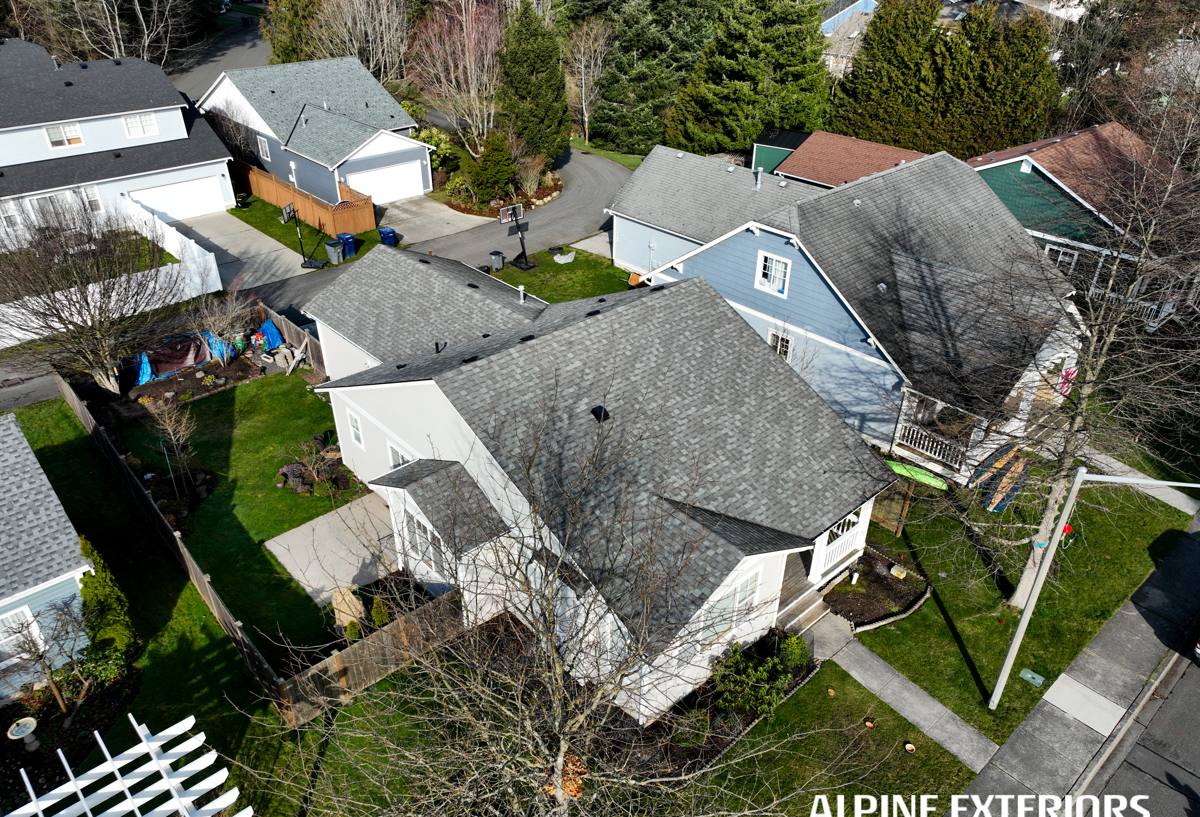
What Salt Air, Rain, and Moss Actually Do to a Roof
Salt Air and Corrosion
Airborne salt doesn't need direct ocean spray to cause problems. Moist, salt-laden air moves inland on wind and settles on any exposed metal, fasteners, and flashing. Over years, that accelerates corrosion on anything that isn't properly rated or protected, especially at cut edges, fastener heads, and dissimilar-metal contact points where two different metals touch and react with each other in the presence of moisture. A roof that would last decades in a dry inland town can corrode at the edges and fasteners much sooner here if the wrong materials or details were used.
Driving Rain and Wind-Driven Water
Storms off the Sound don't just drop rain straight down. Wind pushes water sideways and upward under laps, at ridges, and around penetrations. A metal roof depends on its seams, flashing, and underlayment to keep that water out even when it's not falling straight down. This is where a lot of roofing problems actually start, not from the metal panel itself failing, but from a detail around it being wrong for the direction and force of local weather.
Moss and the Long Wet Season
Whatcom County's mild, wet climate is ideal for moss, especially on shaded, north-facing roof planes and under tree cover. Moss holds moisture against the roof surface far longer than the surrounding air would otherwise dry it out. On some roofing materials that moisture retention leads to granule loss or rot; on metal, the bigger risk is moss and organic debris trapping water against fasteners, flashing, and seams, and holding it there through the fall and winter. A metal roof doesn't feed moss the way some materials do, but it still needs to be detailed and maintained so trapped debris doesn't create standing moisture where it can do damage.
Choosing the Right Metal Roofing System for This Climate
Not all metal roofing is the same product wearing different colors. The system you choose changes how well it handles salt air, wind-driven rain, and moss over the life of the roof.
| System | How It Handles This Climate | Trade-Offs |
|---|---|---|
| Standing seam (concealed fastener) | Best resistance to wind-driven rain since fasteners are hidden under raised seams, not exposed to weather or salt air directly | Higher material and labor cost; requires a crew experienced with seaming and flashing details |
| Exposed-fastener panel | Lower upfront cost; can perform well with correct fastener spec and gasket maintenance | Exposed fasteners are the first thing salt air attacks; gaskets age and need periodic re-torquing or replacement |
| Stone-coated steel | Coating adds a wear layer and can shed moss and debris well when detailed properly | More cut edges and overlaps to seal correctly; installation quality matters more than with fewer-seam systems |
For most Puget-area homes exposed to open wind and salt air, we lean toward standing seam or a high-quality exposed-fastener system with a marine-grade fastener package, chosen based on the home's exposure, roof pitch, and budget rather than a one-size answer.
Metal Type and Coating
The base metal and its coating matter more here than in a dry climate. Galvalume steel with a quality paint finish, or aluminum where corrosion exposure is highest, generally outperforms bare or lightly coated steel near saltwater. We match the metal and coating to how exposed the specific roof is, not just to whatever is cheapest to source.
Where Metal Roofs Actually Fail: Fasteners, Flashing, and Underlayment
The panel itself is rarely the weak point on a metal roof. Failures almost always trace back to the details around it.
Fasteners
Standard fasteners corrode faster in salt air than most homeowners expect. We use fasteners rated for coastal and marine exposure, sized and spaced to the manufacturer's wind and pull-out requirements for this region, not generic hardware-store screws.
Flashing and Penetrations
Every valley, wall transition, chimney, vent, and skylight is a place where water can get behind the metal if the flashing isn't lapped, sealed, and sequenced correctly for wind-driven rain. This is the single most common source of leaks we find on metal roofs that "should" be watertight.
Underlayment
A synthetic, high-temperature underlayment with sealed laps acts as the backup layer if wind ever forces water past the panel seams. In a climate with this much driving rain, skipping or shortcutting the underlayment is one of the most common mistakes we see on prior installations.
Our Installation Process
- On-site assessment: We walk the roof and evaluate pitch, exposure to prevailing wind and salt air, existing moss or moisture issues, and the condition of decking underneath.
- System selection: Based on exposure and budget, we recommend a panel system, metal type, and coating suited to that specific roof, not a default product.
- Deck and moisture check: We confirm the decking is sound before covering it. Trapped rot under a new metal roof is a problem you don't want to discover in ten years.
- Underlayment and flashing: Installed with laps and sequencing set up for sideways-driven rain, not just vertical runoff.
- Panel installation: Fastened or seamed to spec with coastal-rated hardware, with attention to cut edges and any dissimilar-metal contact points.
- Final detail check: Penetrations, ridge caps, and valleys are walked and checked before we call the job done.
Moss, Debris, and Ongoing Maintenance
A correctly installed metal roof needs far less maintenance than most roofing materials, but "far less" isn't "none" in a climate this wet. Neglected debris and moss buildup can still trap moisture against seams and fasteners over time.
- Clear needles, leaves, and moss buildup from valleys and behind chimneys or vents, especially after fall storms
- Keep gutters and downspouts flowing so water isn't backing up under the roof edge
- Trim overhanging branches to reduce shade and debris on north-facing slopes where moss takes hold fastest
- Do a visual check of fasteners and flashing every year or two, sooner after any major windstorm
- Avoid pressure washing metal panels; it can drive water under laps and damage coatings
What Metal Roofing Costs to Do Right in This Climate
Exact pricing depends on roof size, pitch, tear-off needs, and the system chosen, but a few climate-driven factors consistently move the number:
| Factor | Why It Affects Cost Here |
|---|---|
| Panel and fastener grade | Marine-grade coatings and fasteners cost more upfront but avoid early corrosion near salt air |
| Roof complexity | More valleys, penetrations, and wall transitions mean more flashing work, which is where leaks happen in wind-driven rain |
| Tear-off and deck repair | Long-term moss and moisture exposure sometimes means hidden deck damage that needs addressing before new metal goes on |
| Roof pitch and access | Steeper or harder-to-access roofs near the water take more time to detail correctly |
We give straight, itemized estimates so you can see what you're paying for and why, rather than a single lump number that hides where the cost is actually going.
Why a Crew That Already Works Puget Matters
Metal roofing done wrong for this climate usually doesn't fail in year one. It fails five or ten years in, after enough freeze-thaw cycles, wind storms, and salt exposure have worked on a detail that was fine for a drier, calmer region but wasn't built for this one. A crew that already works Puget and the broader Fairhaven area has already seen which details hold up here and which ones don't, on real roofs in this exact exposure. That local experience shows up in fastener choice, flashing sequencing, and knowing which roof planes on a given property are going to take the worst of the wind and moss over time.
It also means we're not guessing at your home's exposure from a spec sheet. We've worked on roofs facing the same wind, the same rain angle, and the same moss pressure as yours, in the same corner of Whatcom County.
Get a Straight Answer on Your Roof
If you're considering metal roofing for a home in the Puget area or elsewhere around Fairhaven, we're glad to come take a look and walk you through what your specific roof needs, no pressure and no generic sales pitch. Use the form below to request a free estimate, and we'll give you an honest read on the right system and the real cost to do it correctly.