 Fairhaven Siding
 Roof Repair for Puget Homes Near Fairhaven
The Puget neighborhood sits close enough to Bellingham Bay that you can smell the salt air on a damp morning, and that proximity is exactly what makes roof repair here different from a job a few miles inland. Salt-laden air, wind-driven rain, and a moss season that runs most of the year all work on a roof at the same time. We've repaired enough roofs in this stretch of Whatcom County to know which failures show up first, and where, and we build our repairs to handle this neighborhood's specific mix of weather rather than a generic Pacific Northwest average.
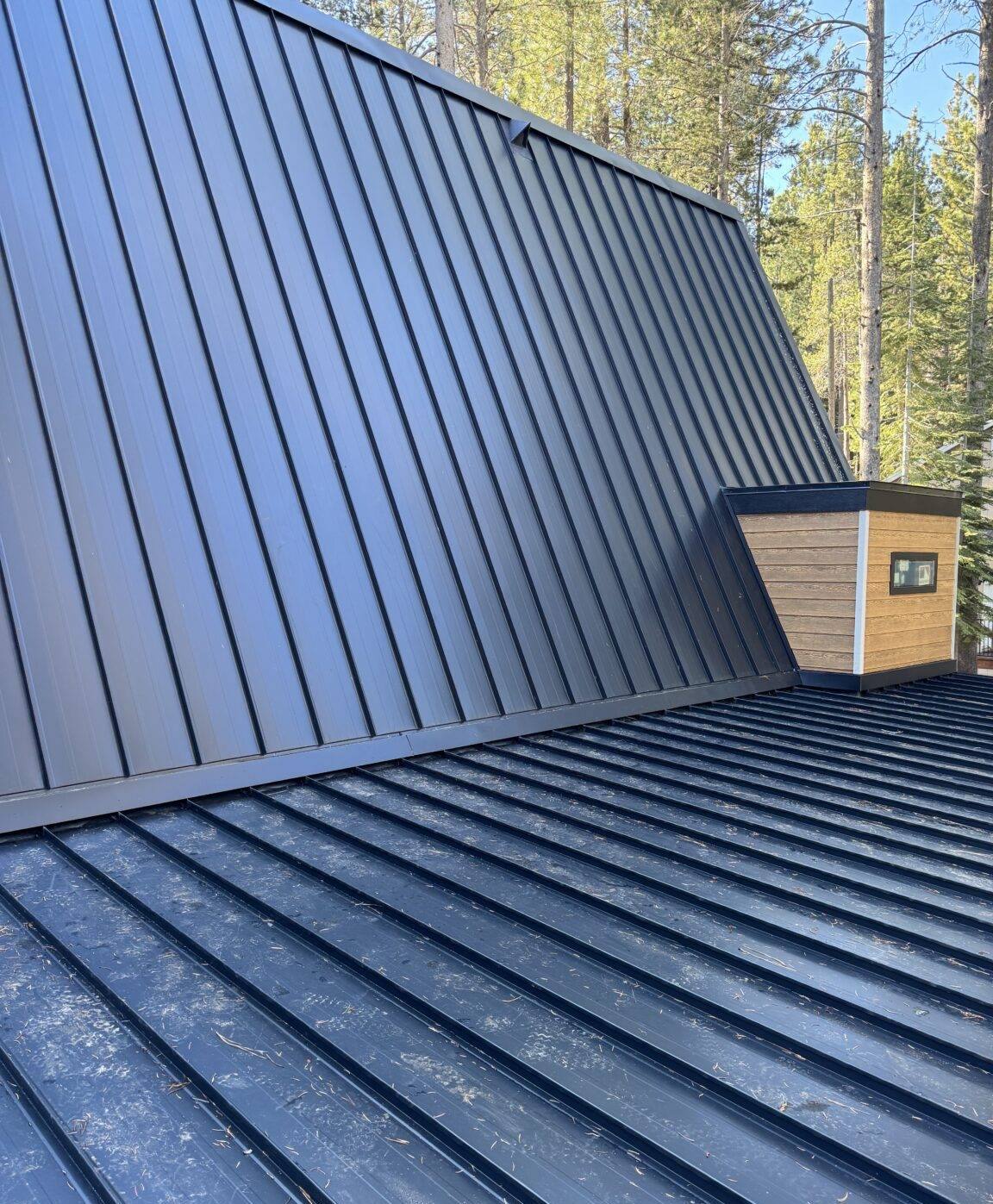
Why Roofs Wear Differently This Close to the Water
Every roof in Whatcom County deals with rain. What sets Puget-area homes apart is the combination of factors stacking on top of each other. Salt air carried up from the bay accelerates corrosion on exposed metal — flashing, nail heads, gutter hangers, and vent caps all age faster here than they would further from the shoreline. Driving rain off the water doesn't just fall straight down; wind pushes it sideways and up under laps and flashing that would stay dry in a calmer setting. Add in tree cover common to older Fairhaven-area lots, and you get shade and moisture that never fully dries out between storms, which is exactly what moss and moisture-loving organic growth need to take hold.
Many homes in and around Puget also have steeper or more complex rooflines than a typical newer subdivision — gables, dormers, and multiple roof planes that were built to work with hillside lots and water views. Every extra ridge, valley, and roof-to-wall intersection is another place where a repair has to be done correctly or it becomes the next leak.
Common Roof Problems We Repair in This Neighborhood
Most of the repair calls we get in this area fall into a small number of categories. Knowing which one you're dealing with matters, because the fix — and the cost — is very different depending on the cause.
| Issue | Why It Happens Here | Typical Fix |
|---|---|---|
| Moss and moisture buildup on shading, north-facing slopes | Tree cover and long damp stretches keep shaded roof sections wet for days at a time | Careful mechanical removal, treatment, and re-securing lifted shingles underneath |
| Corroded or failed flashing at chimneys, valleys, and roof-to-wall joints | Salt air speeds up corrosion on exposed metal fasteners and flashing | Replace with corrosion-resistant flashing, reseal and re-integrate with the wall assembly |
| Wind-driven leaks around vents, skylights, and eaves | Rain pushed sideways off the bay finds gaps that stay dry in calmer weather | Rebuild the flashing detail and confirm proper laps and fastening, not just caulk over the gap |
| Granule loss and brittle shingles on older roofs | UV exposure plus repeated wet-dry cycling ages composition shingles faster over time | Spot-replace failing shingles that still match, or recommend replacement if the roof is past patching |
| Soft or rotted decking near valleys and eaves | Trapped moisture from moss or old flashing failures eventually reaches the wood underneath | Cut back and replace damaged decking before any new roofing goes down over it |
Signs Your Roof Needs Attention
A lot of roof damage in this climate starts small and stays hidden until it isn't. A short list of things worth checking, especially after a stretch of heavy weather off the water:
- Dark streaks or thick green-black moss on shaded roof sections
- Granules collecting in gutters or at the base of downspouts
- Curling, cracked, or missing shingles, particularly on wind-exposed slopes
- Rust staining below metal flashing at chimneys or valleys
- Water stains or a musty smell on ceilings below an attic or roof plane
- Daylight visible through the roof deck from inside the attic
- Sagging spots in the roofline that weren't there before
None of these automatically mean a full replacement. But every one of them is worth a real inspection rather than a guess from the ground, because the visible symptom and the actual source of the problem aren't always in the same spot.
What a Proper Repair Involves
Flashing and Roof-to-Wall Details
A large share of the leaks we find in this neighborhood trace back to flashing, not shingles. Step flashing along walls, counterflashing at chimneys, and valley flashing all have to be layered correctly with the roofing and siding above and below them so water sheds outward instead of finding a seam to travel through. As a contractor that also works on siding, we pay close attention to how the roof edge ties into the wall assembly — a repair that looks fine on the roof but ignores the wall-flashing tie-in just relocates the leak.
Moss and Debris Removal Done Right
Moss removal is easy to do badly. Scraping or pressure-washing moss off aggressively can lift or crack shingles that were otherwise sound, turning a maintenance task into a repair job. We remove moss with methods that don't damage the roofing underneath, treat the area to slow regrowth, and check for any shingles or fasteners that were already compromised before the moss took hold.
Matching Materials on Older Homes
Several homes in the Fairhaven area have older roofing — sometimes cedar shake, sometimes composition shingle that's no longer in current production. A patch repair only holds up if the replacement material is compatible in thickness, exposure, and fastening pattern with what's already there. When an exact match isn't available, we'll tell you honestly whether a close match is a fine long-term solution or whether it's a sign that section of roof is nearing the end of its useful life.
Repair or Replace? How We Help You Decide
Not every roof problem in Puget needs a full replacement, and we don't push one just because it's a bigger job. The honest answer usually comes down to a few factors:
| Factor | Leans Toward Repair | Leans Toward Replacement |
|---|---|---|
| Age of the roof | Well within its expected service life | Near or past the material's typical lifespan |
| Extent of damage | Isolated to one section or detail | Widespread across multiple slopes |
| Decking condition | Solid, no soft spots found on inspection | Rot or moisture damage found in multiple areas |
| Material availability | Matching material still available | Discontinued material, mismatched patches likely |
| History of leaks | First occurrence, clear single cause | Repeat leaks in different spots year after year |
We'll walk you through where your roof falls on that list before recommending anything, and we're just as comfortable telling you a repair will hold for years as we are telling you it won't.
Our Repair Process, Step by Step
- Inspection. We get up on the roof (not just a look from the driveway) and check the specific area of concern along with flashing, valleys, and any spots this climate typically stresses first.
- Diagnosis and explanation. We show you what we found, explain the likely cause, and lay out what a correct repair involves before any work starts.
- Written scope. You get a clear plan of what's being repaired, what materials are used, and an honest estimate — no vague line items.
- The repair. Damaged materials come off, decking is checked and replaced where needed, flashing is rebuilt to shed water correctly, and new material is matched and fastened properly.
- Cleanup and check. Debris and old materials are cleared, and we walk the repair with you before calling the job done.
Why Hire a Crew That Already Works in Puget and Fairhaven
A roofer who's never worked this close to the water can miss things that a local crew catches automatically — which fastener grade holds up against salt air, which slopes on a hillside lot hold moss longest, how much wind-driven rain a given roof-wall detail actually needs to handle. We already know the housing stock in this part of Whatcom County, from newer builds to older Fairhaven-era homes, and we know the difference between a repair that's cosmetic and one that actually solves the water intrusion problem for good. That local knowledge shortens the diagnosis phase and reduces the chance of a callback for the same leak in a different spot.
Scheduling Around Whatcom County's Wet Season
Whatcom County's weather runs wetter from fall through spring, with the heaviest, wind-driven rain typically hitting in the late fall and winter months. Active leaks don't wait for good weather, and we'll respond to stop water intrusion regardless of season — a tarp or temporary seal now beats a bigger repair later. For non-emergency repair work, we'll usually recommend scheduling in a drier stretch when possible, since flashing and shingle work go on cleaner and cure better without rain interrupting the job. Moss treatment, by contrast, is often best timed before the wettest months set in, so it isn't fighting a full season of new growth.
If you're dealing with a leak, moss buildup, or damaged flashing on a Puget-area home near Fairhaven, we're happy to take a look and give you a straight answer on what it needs. Reach out for a free, no-pressure estimate using the form below.