 Fairhaven Siding
 Windows Built for the Puget Corner of Fairhaven
The Puget area sits close enough to the water that homes here take a different kind of weather beating than houses even a mile or two inland. Salt-laden air moves through window hardware and metal components. Driving rain off the Strait finds every gap in flashing and trim. And the long, wet moss season that defines a Whatcom County winter doesn't stop at the roofline — it works its way into window sills, tracks, and exterior casing too. Windows in this part of Fairhaven need to be installed with all of that in mind, not just measured and popped into an opening.
We install windows throughout the Puget area regularly, which means we already know how the wind comes off the water, how the rain hits west- and south-facing walls, and where older homes in this pocket of Fairhaven tend to have hidden moisture problems behind the trim. That local familiarity changes how we approach flashing, sealing, and product selection on every job.
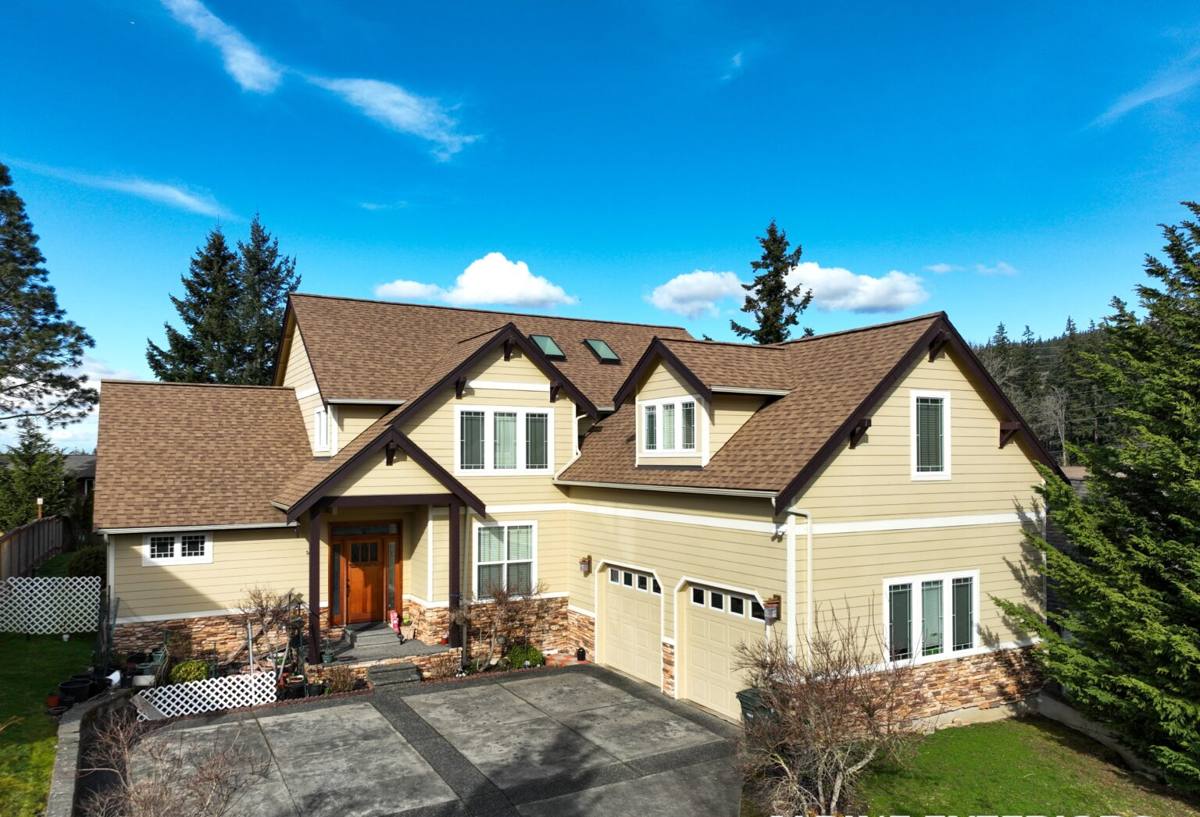
What the Climate Actually Does to Windows Here
Salt Air and Hardware
Proximity to salt water accelerates corrosion on window hardware — hinges, locks, balance mechanisms, and screen frames. Lower-grade hardware can start showing pitting or stiffness years before it would inland. We pay attention to hardware quality and finish specifically because of where Puget sits relative to the water.
Driving Rain and Wind-Driven Water
Rain in this part of Washington rarely falls straight down. Wind off the water pushes it sideways into wall assemblies, which means a window opening needs proper flashing and drainage even on walls that don't look directly exposed. A window that would perform fine in a calmer inland location can leak here if the flashing details are cut short.
Moss, Mildew, and Prolonged Dampness
Whatcom County's moss season isn't just a roof issue. Anywhere moisture sits — window sills, the bottom of casing boards, gaps around trim — organic growth can take hold if a window isn't sealed and detailed correctly. Over time that growth holds moisture against wood trim and accelerates rot.
Temperature Swings and Condensation
Cool, damp air combined with indoor heating creates real condensation potential on older or poorly sealed windows. Beyond comfort, chronic condensation on glass and sills is a slow path to wood damage and interior mold if it isn't addressed.
Signs a Puget-Area Home Needs New Windows
- Visible fogging or moisture between the panes of a double- or triple-pane window (failed seal)
- Soft or discolored wood at the sill or bottom corners of the frame
- Windows that are noticeably harder to open, close, or lock than they used to be
- Persistent drafts near the frame, especially during windier weather off the water
- Visible gaps, cracked caulking, or daylight showing around the trim
- Moss, algae, or dark staining building up on sills or exterior casing
- Noticeably higher heating bills without a clear cause
What a Correct Window Installation Involves
Replacing a window is not just removing an old unit and setting in a new one. In a climate like this, the installation details matter as much as the window itself.
Inspecting the Opening First
Before anything goes in, we check the rough opening for hidden water damage, soft framing, or existing rot — a real risk on older Puget-area homes that have absorbed decades of coastal weather. Installing a new window over a compromised opening just hides the problem until it's worse and more expensive.
Flashing and Drainage
Proper flashing directs any water that gets behind the siding back out, rather than letting it pool at the sill or work into the wall cavity. This is the single most important detail for long-term performance in a wind-driven-rain environment, and it's also the step that gets rushed on low-quality installs.
Sealing and Insulation
Gaps around the window frame need to be properly insulated and sealed — not overpacked with expanding foam, which can bow frames, and not left loose, which leaves room for air and moisture infiltration. This balance affects both energy performance and how well the window resists condensation.
Level, Plumb, and Square
A window that isn't installed level and square will bind, won't lock properly, and will develop uneven gaps over time — gaps that become entry points for water and drafts. This is a fundamentals issue, but it's where inexperienced installs most often go wrong.
Choosing the Right Window for This Location
We don't push one brand or product line for every home. The right choice depends on the wall's exposure, the home's age, and the homeowner's priorities around maintenance and budget. As a general standard, we favor materials and hardware finishes that hold up to salt air and sustained moisture, and we're upfront when a product looks good on paper but carries maintenance trade-offs — heavy upkeep, moisture sensitivity, or installation tolerances that don't leave much room for error — that don't make sense for a coastal-exposed wall.
| Frame Material | Coastal/Moisture Performance | Maintenance |
|---|---|---|
| Vinyl | Good — won't rot or corrode, handles damp exposure well | Low |
| Fiberglass | Very good — dimensionally stable, resists warping in temperature swings | Low |
| Aluminum | Fair to good with quality finish — needs corrosion-resistant hardware near salt air | Moderate |
| Wood (unclad) | Weakest in this climate without diligent upkeep — prone to moisture damage | High |
| Wood-clad | Good — exterior cladding protects wood core from direct moisture exposure | Moderate |
Glass package matters too. Double-pane with a quality low-E coating is a solid baseline for this region; homes with more direct wind and water exposure, or owners who want the lowest possible condensation risk, often step up to a better-performing glass package. We'll walk through the real trade-offs for your specific walls rather than defaulting to an upsell.
Our Process on a Puget Window Job
- On-site assessment — we look at existing windows, wall exposure, and any signs of water intrusion before quoting anything
- Honest product recommendation — based on the wall's exposure and your budget, not a one-size-fits-all pitch
- Careful removal — old units come out without unnecessary damage to surrounding siding or trim
- Opening inspection and repair — any rot or hidden damage gets addressed before the new window goes in, not sealed over
- Proper flashing and installation — set level, plumb, and square, with drainage paths that work with this climate, not against it
- Sealing and trim finish — weathertight sealing and clean trim work that matches the home
- Final walkthrough — we check operation, sealing, and answer questions before we call the job done
Why Hiring a Crew That Already Works Puget Matters
A window installer who mostly works dry, inland climates doesn't think about flashing and drainage the same way a crew working the Fairhaven waterfront does. We're not guessing at how wind-driven rain behaves against a wall here, or how fast moss and mildew can take hold on a shaded, damp sill — we see it on jobs regularly. That familiarity shows up in the details: where we add extra flashing attention, which hardware finishes we steer toward, and how we talk homeowners through trade-offs specific to a coastal Whatcom County property rather than generic advice that doesn't account for the salt air and rain this area actually gets.
Maintaining New Windows in a Wet Coastal Climate
- Rinse salt residue and grime off frames and glass a couple of times a year, especially on water-facing walls
- Keep weep holes and drainage tracks clear of debris, moss, and dirt so water can exit properly
- Check and refresh exterior caulking periodically — sealant does wear down faster in constant damp conditions
- Operate locks and hardware occasionally through the winter so mechanisms don't seize from disuse and moisture
- Watch sills and bottom corners for early softness or discoloration and address it before it spreads
None of this is heavy maintenance — it's the kind of upkeep that takes a properly installed window from "fine for a few years" to genuinely long-lasting in a climate that doesn't cut homes much slack.
Get a Straight Answer for Your Puget Home
If your windows are drafty, fogging, sticking, or just old enough that you're wondering whether replacement makes sense, we're happy to take a look. We'll give you a clear, no-pressure assessment of what your windows actually need — whether that's full replacement, targeted repair, or simply waiting a bit longer — along with a free estimate for the work. Use the form below to get started.