 Fairhaven Siding
 Roofing a Sehome Home Isn't the Same as Roofing Anywhere Else
Sehome sits up on the hill above Fairhaven, close enough to Bellingham Bay to catch the salt air off the water and exposed enough to take the full brunt of wind-driven rain rolling in off Puget Sound. Add in the mature tree cover that shades a lot of the older lots up here, and you've got a neighborhood where roofs work harder than the manufacturer's spec sheet assumes. A new roof installed the way it would be installed in a dry inland town won't hold up the same way in Whatcom County. It needs to be built for this specific mix of moisture, salt, and shade from day one.
This page is about one job: installing a new roof on a Sehome home, done the way this climate actually demands, not the way a generic install guide describes it.
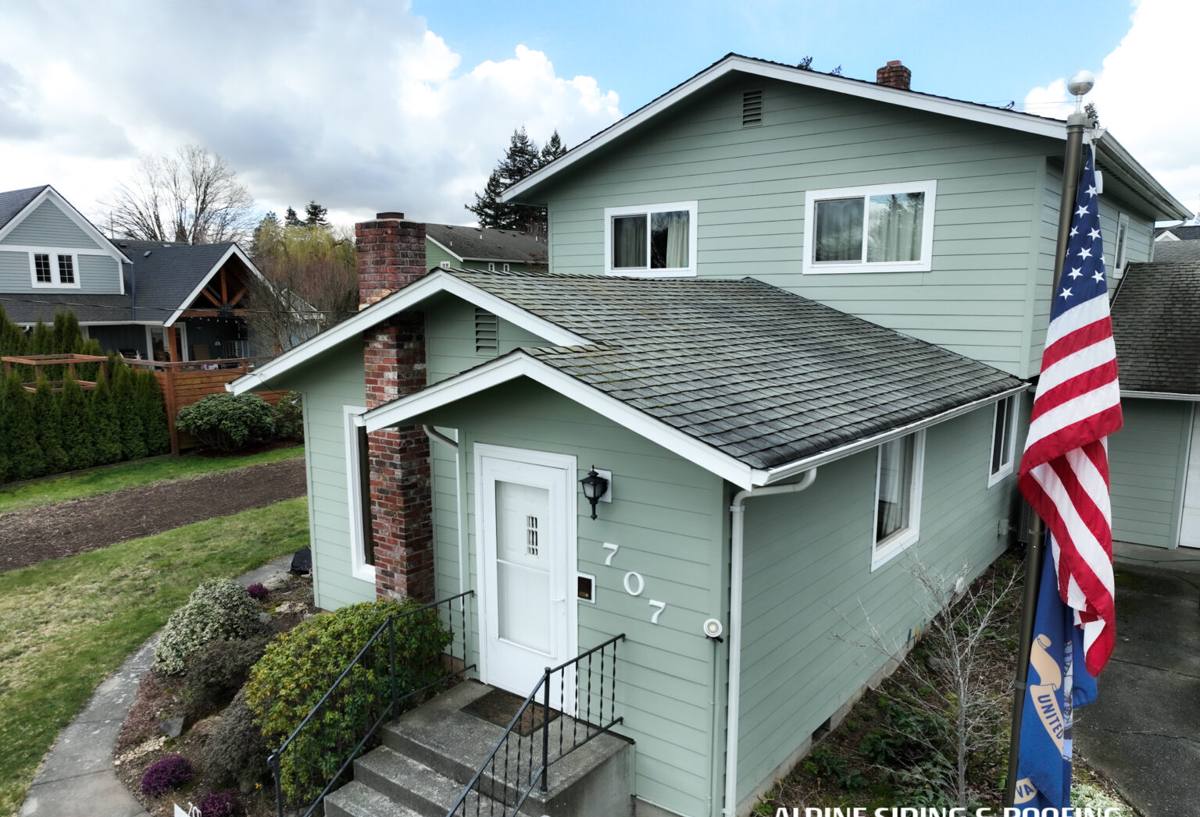
What This Climate Actually Does to a Roof
Driving Rain, Not Just Rain
Whatcom County doesn't just get a lot of rain — it gets rain pushed sideways by wind coming off the water. That matters because a roof only fails at its weak points, and wind-driven rain finds weak points that vertical rain never would: under-lapped shingle courses, valleys without enough protection, flashing that's sealed with caulk instead of properly integrated, and fastener patterns that are technically "to code" but not built for gusts off the bay. A correct install in Sehome treats every one of those details as non-negotiable, not optional upgrades.
Salt Air and Slow Corrosion
Proximity to Bellingham Bay means airborne salt settles on roofing metal — flashing, drip edge, valley metal, nail heads, vent stacks — and accelerates corrosion over the life of the roof. This is a slow process, which is exactly why it gets missed. A roof can look fine for years while its fasteners and flashing quietly weaken underneath. The fix isn't complicated: use corrosion-resistant metals and fasteners rated for coastal exposure from the start, instead of standard-grade hardware that's cheaper up front and shorter-lived here.
The Long Moss Season
Between the shade from mature trees on many Sehome lots and a wet season that runs long even by Pacific Northwest standards, moss has a lot of time to establish itself on a roof surface. Moss isn't just cosmetic — it holds moisture against the roofing material, works its way under shingle tabs, and lifts edges over time, which shortens the life of an otherwise good roof. New roofs here need to be specified with moss in mind, not treated for it after the fact.
What a Correct New Roof Install Actually Involves
A new roof is more than shingles nailed to a deck. In a climate like this, the parts you don't see matter as much as the parts you do. A proper install includes:
- Full tear-off, not a layover. Installing new roofing over old material traps moisture and hides deck problems — not acceptable on a home that already deals with this much rain exposure.
- Deck inspection and repair. Any soft, rotted, or delaminated sheathing gets replaced before anything new goes down. Skipping this is the single most common cause of early roof failure.
- Ice-and-water shield at vulnerable points. Valleys, eaves, and roof-to-wall transitions get a self-adhering waterproof membrane underneath the primary underlayment, not just standard felt.
- Synthetic underlayment across the field. More tear-resistant and more water-resistant than old-style felt paper, which matters when the roof deck is exposed to wind and rain during install.
- Corrosion-resistant flashing and fasteners. Chosen for salt air exposure, not just minimum code compliance.
- Balanced attic ventilation. Intake and exhaust sized to let moisture escape instead of condensing under the deck — a bigger deal in a consistently damp climate than in a dry one.
- Algae-and-moss-resistant shingle selection where asphalt is the chosen material, or a moss-shedding profile where metal is used.
Choosing the Right Roofing Material for Sehome
There's no single "best" roofing material — there's the right material for a given roof's shade, slope, and budget. Here's how the common options actually compare for a home in this specific climate:
| Material | Typical Lifespan | Moss Resistance | Salt Air / Corrosion Handling | Relative Cost |
|---|---|---|---|---|
| Architectural asphalt shingle | 25–30 years | Good with algae-resistant granules; needs occasional cleaning on shaded roofs | Good when paired with corrosion-resistant flashing and fasteners | $ (baseline) |
| Standing seam metal | 40–60 years | Excellent — moss struggles to grip smooth metal panels | Very good with a proper coastal-rated finish and fastener spec | $$$ |
| Synthetic/composite shingle | 30–50 years | Good to very good depending on product | Good; check manufacturer fastener recommendations | $$ |
| Basic 3-tab asphalt shingle | 15–20 years | Fair — holds moisture more than architectural profiles | Fair; shorter lifespan reduces long-term corrosion exposure | $ (lowest upfront) |
For heavily shaded Sehome lots, we lean toward architectural shingles with algae-resistant granules or standing seam metal — the smoother surface and steeper effective drainage make moss establishment much slower. For homes with more open sun exposure, a broader range of materials performs well, and budget becomes the bigger deciding factor.
How We Approach a New Roof Install, Step by Step
- On-site assessment. We look at slope, shade pattern, current moss/algae condition, attic ventilation, and any signs of past leaks before recommending anything.
- Material and system recommendation. Based on that assessment — not a one-size-fits-all package — we walk through material options and why each does or doesn't fit the home.
- Written estimate. Scope, materials, and price laid out plainly, with no vague allowances hiding in the fine print.
- Tear-off and deck inspection. Old roofing comes off completely; deck condition gets checked and repaired before anything new is installed.
- Underlayment and flashing installation. Ice-and-water shield at vulnerable points, synthetic underlayment across the field, corrosion-resistant flashing throughout.
- Roofing material installation. Installed to manufacturer spec and adjusted for wind exposure and fastening pattern appropriate to this area.
- Ventilation check and correction. Intake and exhaust balanced so the new roof isn't fighting trapped moisture from day one.
- Final walkthrough and cleanup. We review the finished work with the homeowner and make sure the site is left clean.
Why It Matters That We Already Work in Sehome
A roofing crew that mostly works dry, inland jobs will still get the shingles nailed down — but they may not think twice about upgrading fastener grade for salt air, or about how much moss pressure a shaded Sehome lot puts on a roof compared to a sunnier property a few miles inland. Working this specific stretch of Fairhaven and Whatcom County regularly means we've seen how roofs here actually age, not just how they're supposed to perform on paper. That shows up in the small decisions — which flashing detail to use at a tricky valley, which shingle profile sheds moss better under tree cover, how much ventilation a particular attic actually needs — that don't show up on a spec sheet but do show up ten years later.
It also means we're familiar with the permitting and inspection process for this area, so there are no surprises mid-project.
A Simple Checklist Before You Sign With Anyone
- Is the quote for a full tear-off, or does it allow for roofing over the old layer?
- Does the estimate specify underlayment type, not just "underlayment included"?
- Is ice-and-water shield called out for valleys and eaves specifically?
- Are fasteners and flashing specified as corrosion-resistant, or just "standard"?
- Does the contractor ask about your attic ventilation, or skip straight to shingle color?
- Is there a written warranty covering both materials and workmanship, and do you understand what voids it?
What Homeowners Often Get Wrong About Roof Timing
The most common mistake we see isn't choosing the wrong material — it's waiting too long to replace a roof that's already past its useful life. Curling or missing shingles, granules collecting in gutters, dark streaking, and moss that keeps coming back no matter how often it's cleaned are all signs the roofing material itself is failing, not just dirty. Left alone through another wet season, that failure reaches the deck, and a roof job turns into a roof-plus-sheathing job. Catching it at the shingle-failure stage, rather than the deck-damage stage, is the difference between a straightforward install and a much bigger repair bill.
Get a Straight Answer on Your Roof
If you're not sure whether your Sehome home needs a full new roof or just a repair, the honest answer starts with someone actually looking at it — not a phone estimate. We offer a free, no-pressure estimate: we'll assess your roof's condition, walk you through what we're seeing, and give you a straightforward recommendation either way. Use the form below to get started.