 Fairhaven Siding
 Why Columbia Homes Wear Out Siding Faster Than the National Average
Columbia sits close enough to the water that salt-laden air is a daily fact of life, not an occasional event. Combine that with Whatcom County's long wet season — months of driving rain pushed sideways by wind off the bay — and you get siding conditions that are noticeably harsher than what most manufacturers design around. Add a moss season that can stretch from fall through spring on shaded, north-facing walls, and it's easy to see why siding in this neighborhood ages differently than siding in a drier inland town just an hour away.
None of this means Columbia homes are doomed to fail early. It means the material, the installation details, and the maintenance plan all need to match the actual exposure a home gets, not a generic set of assumptions. That's the lens we bring to every siding replacement in this neighborhood.
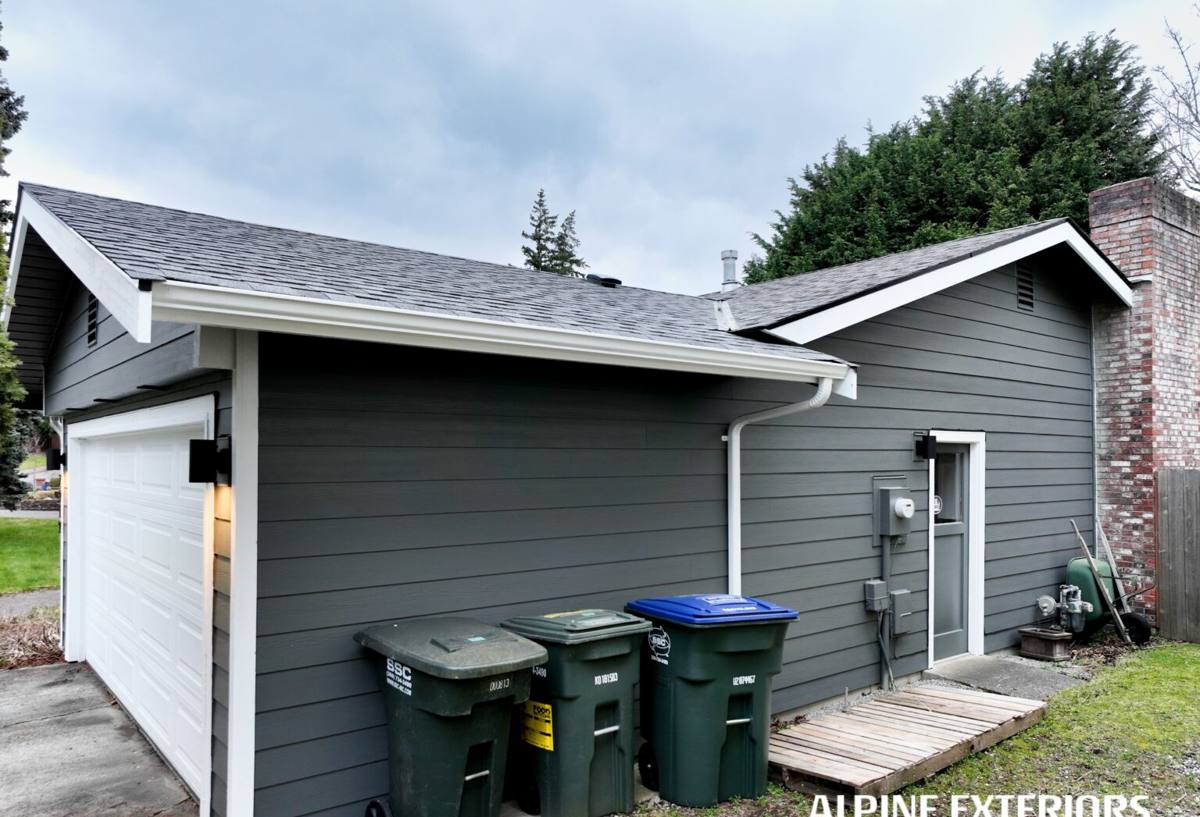
Signs a Columbia Home Actually Needs Siding Replacement
Not every issue calls for full replacement — some are repair-level. But when several of these show up together, especially on walls facing prevailing weather, replacement is usually the more honest recommendation than patching.
- Soft or spongy spots when you press on the siding, especially near the bottom courses or below windows
- Persistent moss or algae growth that returns within weeks of cleaning, particularly on shaded or north-facing walls
- Paint that's failing in a pattern — bubbling, peeling, or chalking on one side of the house more than others
- Visible warping, cupping, or delamination in old wood or engineered wood siding
- Rust streaks or corrosion around fasteners and trim, a common sign of long-term moisture exposure
- Interior clues — musty smells, discolored drywall, or peeling interior paint on exterior walls
- Siding that's original to a home built before double-digit years of James Hardie's HZ product improvements
If you're only seeing one or two of these on a limited area, a repair may make more sense than a full replacement. We'll tell you that directly during an inspection rather than push a bigger job than the house needs.
Why Salt Air and Driving Rain Age Siding Faster Here
Airborne salt is mildly corrosive to metal fasteners and flashing, and it also holds moisture against a surface longer than dry air would. Driving rain — rain pushed horizontally by wind rather than falling straight down — finds gaps in siding, trim, and flashing that vertical rain never would. Over years, that combination accelerates fastener corrosion, wood rot, and paint failure in ways a standard weather report doesn't capture. It's a big part of why we treat water management as the most important part of any siding job in this area, not an afterthought.
What a Correct Siding Replacement Actually Involves
Siding is a system, not just a surface. A replacement that looks right from the curb but skips the details underneath will fail in the same spots the old siding did — usually faster, because the old damage is often still there under the new material if it isn't properly addressed.
Tear-Off and Inspection
We remove the old siding and inspect the sheathing underneath for rot, soft spots, or prior water damage before anything new goes up. This is the step that gets skipped on corners-cut jobs, and it's exactly where hidden problems from years of moss and driving rain tend to show up.
Weather-Resistive Barrier and Drainage Plane
A correctly installed weather-resistive barrier, lapped and taped properly, is what actually keeps wind-driven rain out of the wall assembly. In a climate like Fairhaven's, we also pay close attention to creating a drainage gap behind the siding so any moisture that does get past the surface can drain and dry out instead of sitting against the sheathing.
Flashing at Every Penetration
Windows, doors, hose bibs, vents, and light fixtures are the most common failure points on any home. Each one needs flashing detailed to shed water outward and downward, not just caulked and hoped for. Caulk is a backup, not a strategy.
Fastening and Coursing
Fastener spacing, type, and depth matter more than most homeowners realize, and they matter even more near salt air where corrosion-resistant fasteners aren't optional. Proper coursing and overlap also keep water moving down and off the wall instead of pooling at horizontal joints.
Why We Install Only James Hardie Fiber Cement
We made a deliberate decision to install James Hardie fiber cement siding exclusively, and we don't treat that as a marketing line — it's a standard we hold to on every job, including this one. We don't install vinyl, LP SmartSide, Cemplank, Allura, or primed wood species like spruce or cedar, and we're upfront about why.
Vinyl is affordable and low-maintenance in mild climates, but it can become brittle over time and doesn't hold up as well against sustained wind-driven rain and salt exposure as fiber cement does. Wood-based engineered sidings and untreated wood species like cedar or primed spruce look great initially but are more sensitive to moisture intrusion and require a maintenance schedule that's easy to fall behind on, especially in a climate with this much sustained wet weather. Alternative fiber cement brands may be reasonable products, but we've standardized on James Hardie specifically for its factory-applied ColorPlus finish, its climate-engineered HZ product lines, and the strength of its transferable warranty when installed to manufacturer specification.
None of this is a claim that other products can't work anywhere — it's a statement about what we've decided is worth standing behind in this specific climate, on this specific coastline.
Choosing the Right Hardie Product Line for Columbia's Exposure
James Hardie engineers its HZ5 product line specifically for climates with more moisture exposure, which fits Whatcom County's weather pattern well. Beyond the base engineering, the choice between plank styles and panel styles, and between colors, changes both the look and the long-term maintenance profile of the house.
| Product Option | Best Suited For | Maintenance Consideration |
|---|---|---|
| HardiePlank lap siding | Traditional home styles, most common choice in this neighborhood | Factory ColorPlus finish reduces repainting frequency |
| HardiePanel vertical siding | Accent walls, gables, modern or mixed-style facades | Fewer horizontal joints where water can collect |
| HardieTrim boards | Window and door surrounds, corners, fascia | Pairs with siding to keep water management consistent at penetrations |
| Primed (field-painted) Hardie | Custom or less common color choices | Requires a quality exterior paint job and repainting on a normal schedule |
| ColorPlus (factory-finished) Hardie | Most homeowners prioritizing long-term low maintenance | Backed by its own finish warranty, no immediate repaint needed |
For most homes in this area, we lean toward ColorPlus factory-finished product simply because it removes one more maintenance task from a climate that already asks a lot of exterior surfaces.
Our Process, From Estimate to Cleanup
- On-site inspection of current siding, trim, and any visible signs of moisture or rot
- Honest assessment of whether the home needs full replacement or targeted repair
- Written estimate outlining product selection, scope, and timeline
- Tear-off, sheathing inspection, and repair of any damaged framing or sheathing found underneath
- Installation of weather-resistive barrier, drainage plane, and flashing at all penetrations
- Hardie siding installation per manufacturer fastening and clearance specifications
- Final walkthrough and site cleanup, including old material haul-away
We build in time for weather delays rather than rushing a job to hit an artificial deadline — pushing a rain screen or flashing detail through in a downpour is how corners get cut, and that's not how we operate.
Cost Factors for Siding Replacement in This Neighborhood
Every home is different, and we don't quote a number without seeing the house, but the factors below are what actually move the price up or down on a typical Columbia siding replacement.
| Factor | Why It Matters |
|---|---|
| Extent of hidden sheathing damage | Rot found during tear-off adds repair scope that can't be fully known until the old siding is off |
| Home size and number of stories | More square footage and access complexity (scaffolding, multi-story) increase labor time |
| Product line and finish (primed vs. ColorPlus) | Factory-finished ColorPlus costs more upfront but reduces near-term repainting costs |
| Number of penetrations and trim details | Homes with more windows, dormers, and trim require more flashing and detail work |
| Existing siding removal complexity | Multiple layers of old siding or hazardous material (like old paint) can add tear-off time |
Why a Crew That Already Works Columbia Matters
Every part of Whatcom County shares the same regional weather pattern in broad strokes, but neighborhood-level exposure still varies — how close a given block sits to open water, how much tree cover shades a wall and slows drying, and how a home's orientation lines up with prevailing wind and rain direction. A crew that has worked on other homes in this specific area brings a working sense of which walls in this neighborhood tend to take the worst of it, and details the flashing and drainage plane accordingly rather than applying a one-size-fits-all approach.
Local familiarity also matters on the administrative side. Knowing how Whatcom County and City of Bellingham permitting and inspection processes typically run for exterior work helps keep a project on schedule instead of stalled waiting on paperwork nobody anticipated.
Maintaining Your New Siding Through Moss Season
Even with correctly installed Hardie siding, a little seasonal upkeep goes a long way in this climate. A soft wash to remove moss and organic growth on shaded walls once a year, keeping gutters clear so overflow doesn't run down the siding face, and trimming back vegetation that keeps a wall damp and shaded all help the siding perform the way it's designed to over the long run. None of this is heavy maintenance — it's the kind of basic upkeep that pays off given how long a correctly installed Hardie system is built to last.
If your Columbia home is showing signs of wear from years of salt air and driving rain, we're happy to take a look and give you a straightforward assessment. Reach out for a free, no-pressure estimate using the form below.