 Fairhaven Siding
 Deck Building for Silver Beach Homes
Silver Beach sits close enough to the water that every outdoor structure on a property has to answer to the weather off Bellingham Bay. A deck built here isn't just a place to put a grill and a couple of chairs — it's a structure that spends its life fighting moisture, salt-laden air, and a moss season that can run from October into May. We build and repair decks for homes in this area, and the difference between a deck that lasts and one that starts failing in five years almost always comes down to decisions made before the first board goes down: how the frame is protected, what fasteners are used, and how the whole structure is designed to shed water instead of holding onto it.
This page covers what a deck actually needs to hold up in Silver Beach's specific conditions, what our build process looks like, and why local experience matters more here than it does in drier parts of the state.
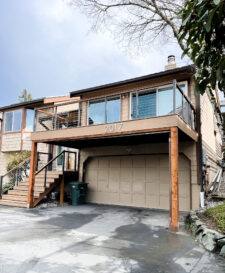
What the Local Climate Demands From a Deck
Whatcom County weather is tough on exterior wood and metal in ways that aren't always obvious until a few winters have passed. Three things matter most for a deck in this part of Fairhaven and the surrounding Silver Beach area:
Salt Air and Corrosion
Proximity to the bay means airborne salt settles on everything, including deck hardware. Standard galvanized fasteners and connectors that would be fine fifty miles inland can start corroding within a couple of seasons here. That corrosion isn't just cosmetic — a rusted joist hanger or a failing ledger bolt is a structural problem waiting to happen.
Driving Rain
Rain in this region doesn't fall straight down very often. Wind-driven rain gets pushed sideways into ledger connections, under railing posts, and into any gap where flashing was skipped or done poorly. A deck that isn't detailed for driving rain will trap water in exactly the places you can't see until rot has already started.
A Long Moss Season
Shaded decks, north-facing decks, and decks under tree cover stay damp for months at a time. Moss and algae take hold fast on any surface that doesn't drain and dry quickly, and a slick, moss-covered deck surface is a real fall hazard, not just an eyesore.
Every decision below — material, framing, fasteners, drainage — is made with these three conditions in mind, not generic best practices pulled from a drier climate.
Choosing the Right Decking Material
There's no single "best" decking material for every home — it depends on budget, how much upkeep you're willing to do, and how exposed the deck is. Here's an honest comparison of the main options we install:
| Material | Upfront Cost | Moisture Behavior Here | Maintenance |
|---|---|---|---|
| Pressure-treated fir/pine | Lowest | Prone to checking and warping if not sealed regularly; needs a solid vapor gap underneath | Annual cleaning and re-sealing recommended |
| Cedar | Moderate | Naturally rot- and insect-resistant, but still needs finish maintenance to fight moss and graying | Periodic cleaning and refinishing every few years |
| Composite decking | Higher | Doesn't absorb water or rot, but can still grow surface algae/moss if it stays shaded and damp | Occasional washing; no sealing or staining |
| PVC decking | Highest | Fully moisture-proof board; best resistance to the wet, mossy conditions here | Lowest — periodic rinsing |
We don't push one product over another as a blanket rule — we talk through how much sun and shade your specific lot gets, how the deck will be used, and what maintenance level you actually want to commit to, then match the material to that.
What's Underneath Matters More Than the Boards
Homeowners tend to focus on the decking surface, but the framing and connection details are what actually determine whether a deck lasts fifteen years or forty. This is where a lot of decks in wetter climates fail early, usually because it's the part nobody sees during a walkthrough.
Ledger Flashing
Where the deck attaches to the house is the single most common failure point in this climate. Proper flashing — installed correctly, not just caulked over — keeps driving rain from working its way behind the ledger board and into the house's wall framing. We flash every ledger connection as a non-negotiable step, not an upsell.
Joist Protection
Untreated cut ends and joist tops that sit exposed to standing water are where rot starts first. We use joist tape or an equivalent protective barrier on framing members, especially anywhere water can pool against end grain.
Post Bases and Ground Contact
Posts set directly in or near damp soil are a slow-motion failure. We use elevated post bases that keep wood off wet ground and allow airflow, rather than burying posts in concrete where moisture gets trapped against the wood.
Drainage and Airflow Beneath the Deck
A deck built low to the ground with poor airflow underneath stays damp longer after every rain, which speeds up rot and encourages moss to creep up from below. We grade and space framing to let air move through and water drain away rather than pool.
Our Deck Building Process
The process is straightforward, but we don't skip steps to save time, especially the ones that don't show up in a final photo.
- Site visit and assessment. We look at sun/shade exposure, drainage patterns, existing structure (for replacements), and how the deck ties into the house.
- Design and material discussion. We talk through layout, railing style, decking material, and budget, with the climate trade-offs laid out honestly.
- Permitting. Most deck projects in this area require a building permit, especially for elevated structures or anything attached to the house. We handle that paperwork as part of the job.
- Demolition (if replacing an existing deck). We inspect the ledger and any framing that's being reused before building over it — reused framing gets the same scrutiny as new material.
- Framing with climate-appropriate detailing. Ledger flashing, joist protection, corrosion-resistant hardware, and proper drainage slope are built in from the start.
- Decking, railing, and stairs installed to spec. Fasteners and hardware are chosen for the marine-influenced air, not generic interior-grade parts.
- Final walkthrough. We go over maintenance expectations for the material you chose so there are no surprises down the road.
Railings, Fasteners, and Hardware
Hardware choice is one of the most overlooked parts of deck longevity, and it's where cutting corners shows up fastest in a place like this. We use stainless steel or otherwise corrosion-rated fasteners and structural connectors on decks in this area rather than standard galvanized hardware, because standard galvanized coatings can start breaking down under sustained salt exposure faster than most homeowners expect. It costs a little more upfront. It's a lot cheaper than replacing a railing post that's failed at the base a few years in.
Railing design also matters for moisture: horizontal surfaces on top rails and post caps should be sloped or capped so they shed water instead of holding a puddle that feeds moss growth and slowly degrades the wood or finish underneath.
Maintenance Checklist for a Silver Beach Deck
Whatever material you choose, a little seasonal attention goes a long way in this climate. A basic maintenance routine looks like:
- Sweep debris and standing leaves off the deck surface regularly through fall, when moss growth accelerates
- Rinse or lightly scrub visible moss and algae before it gets a foothold — it's far easier to remove early
- Check that gaps between boards stay clear so water drains through instead of sitting on the surface
- Inspect ledger flashing and railing post bases annually for signs of water staining or soft wood
- Re-seal or re-stain wood decking on the manufacturer's recommended schedule, not just when it looks worn
- Look under the deck once a year for standing water, blocked drainage, or signs of rot at post bases
Permits and Local Considerations
Deck projects that are attached to the house, elevated above a certain height, or exceed a certain size generally require a permit through the local building department. Requirements can vary depending on the specifics of the property and its exact jurisdiction within Whatcom County, so we confirm what's needed for your project before we start rather than assuming. Handling this correctly upfront avoids problems later, particularly if you ever sell the home and a permit history gets checked.
Why Hire a Crew That Already Works This Area
A deck built to a generic spec sheet can look fine the day it's finished and still start failing within a few years if it wasn't detailed for what this specific climate does to wood, metal, and finishes. Crews that work regularly in Fairhaven and the surrounding Whatcom County neighborhoods know which details actually matter here — where driving rain gets pushed, how fast moss takes hold on a shaded surface, and which hardware holds up against salt air over time. That's knowledge you don't get from a manufacturer's install guide alone; it comes from building and later repairing decks in these exact conditions.
If you're planning a new deck or replacing one that's showing its age, we're happy to take a look and give you an honest read on what it needs. Reach out for a free, no-pressure estimate using the form below.