 Fairhaven Siding
 Windows Built for York's Corner of Whatcom County
York sits close enough to Bellingham Bay and the Fairhaven shoreline that homes here deal with a specific combination of weather stress most inland houses never see: salt-laden air, wind-driven rain that hits window walls sideways instead of straight down, and a moss season that can run half the year in a wet Pacific Northwest winter. Windows in this pocket of Whatcom County don't just need to look good and cut a heating bill — they need to survive corrosion, resist moisture intrusion at every seam, and keep working when the frame around them is damp more often than it's dry.
A window that performs fine in a drier climate can fail here in ways that show up slowly: fogged glass between panes, soft trim, a draft that wasn't there two winters ago. This page covers what actually matters for energy-efficient window work in York specifically — not a generic rundown of window brands.
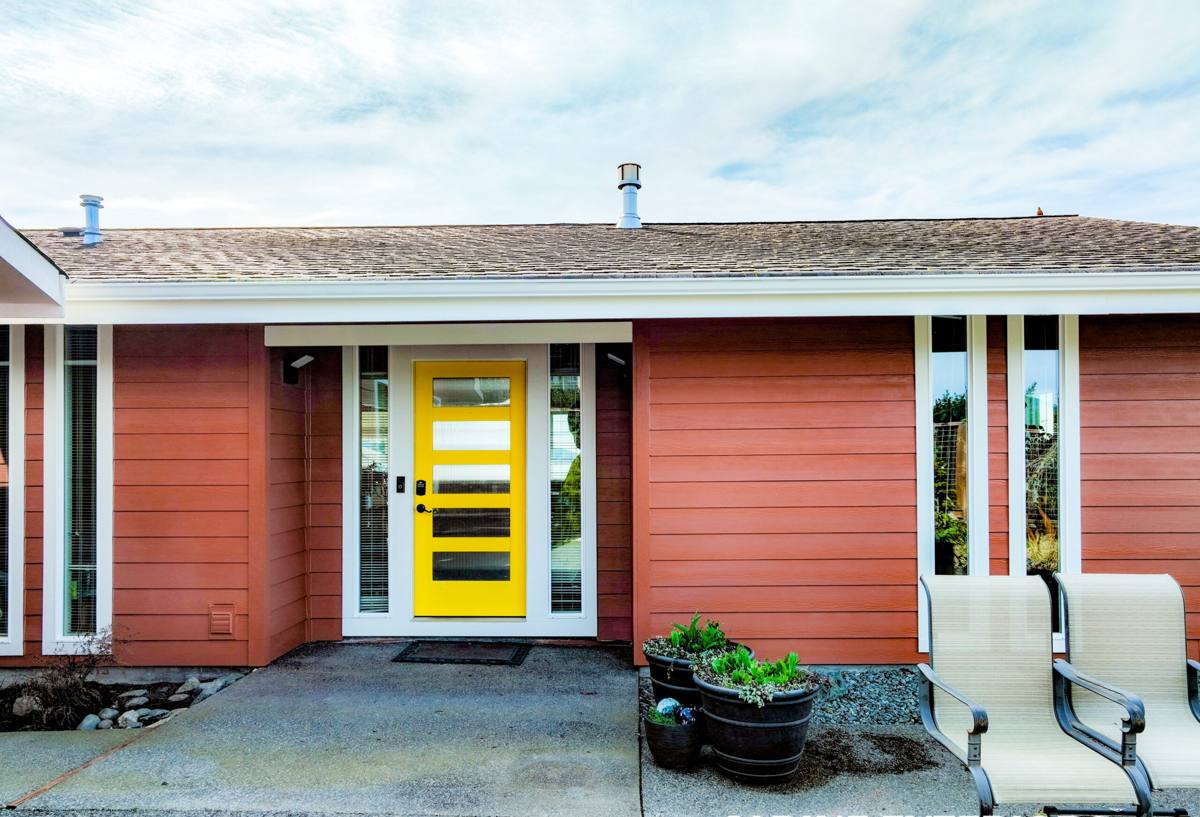
What "Energy-Efficient" Really Means for a Coastal Whatcom County Home
Energy efficiency in a window comes down to a handful of measurable properties, and in a marine climate like York's, some matter more than others.
- U-factor — how much heat the window lets escape. Lower is better, and it matters more here than in a drier, sunnier region because so much of the year is spent heating against damp, moving air rather than blocking direct sun.
- Air infiltration rating — how tight the window and frame seal against wind. With driving rain regularly pushing against west- and south-facing walls, a window with a weak air seal will also let in moisture, not just cold air.
- Condensation resistance — how well the glass and frame resist interior fogging when it's cold outside and humid inside, which is a near-constant condition through a Whatcom County winter.
- Solar heat gain coefficient (SHGC) — less critical here than in sunnier climates, but still worth tuning per elevation, especially on south-facing rooms that do catch real sun in summer.
Salesy marketing tends to lead with glass package names and skip the part that matters most in a place like York: how well the window and its installation handle sustained moisture exposure over 15–20 years, not just its lab-tested energy numbers on day one.
Signs Your Current Windows Are Costing You Money
Most homeowners don't replace windows because of a single dramatic failure — it's a slow accumulation of small problems. Worth checking for before deciding whether replacement or repair makes more sense:
- Visible fog or a milky haze between panes of double-pane glass — the seal has failed and the insulating gas is gone.
- A noticeable draft near the sash or frame on a windy day, even with the window latched shut.
- Soft or discolored wood trim around the window, especially at the sill — a sign moisture has been getting behind the frame.
- Visible mildew or moss growth on or around exterior trim, which is common in shaded, damp corners of a York property during the wetter months.
- Windows that are noticeably harder to open and close than they used to be — frames can swell or warp from repeated wet-dry cycling.
- Noticeably higher heating bills in winter without a clear other cause.
Any one of these on its own might just need a repair. Several at once, especially fogged glass plus soft trim, usually means the window assembly has been letting moisture in for a while and replacement is the more honest fix.
Window Materials and Frame Types That Actually Hold Up Here
Material choice matters more in a salt-air, high-moisture climate than it does further inland. Here's how the common options compare for a York installation specifically:
| Frame Material | How It Handles Salt Air & Moisture | Maintenance Load | Typical Fit for York |
|---|---|---|---|
| Vinyl | Won't corrode or rot; performs consistently in coastal moisture | Low — occasional cleaning | Strong all-around choice for most rooms |
| Fiberglass | Excellent — very stable in wet/dry and hot/cold cycling, doesn't pit or corrode | Low | Good for exposed walls that take the worst weather |
| Aluminum | Prone to pitting and corrosion near salt air unless properly coated; conducts cold | Moderate to high | Generally not our first recommendation this close to the bay |
| Wood / wood-clad | Attractive but vulnerable if any moisture gets behind the cladding | High — needs vigilant sealing and repainting | Only where upkeep is a real priority for the homeowner |
We're not against wood or aluminum windows as a category — they have their place. But we install to our own standard for durability in this climate, and that means steering most York homeowners toward vinyl or fiberglass unless there's a strong aesthetic reason to go another direction, with eyes open about the added maintenance that choice carries.
Glass Packages Worth Asking About
Double-pane, low-E, argon-filled glass is the practical baseline for this region — it balances cost against real-world performance in our winters. Triple-pane glass adds meaningful insulation value but at a real cost premium; it tends to make the most sense on north-facing rooms or homes right along the water where wind exposure is at its worst, rather than as a blanket upgrade for every window on the house.
What a Correct Installation Actually Involves
The window unit itself is maybe half the job. In a climate where wind-driven rain is a regular event, installation detailing is what determines whether that window is still performing well in year twelve.
- Removing the old unit carefully — checking the surrounding framing, sheathing, and sill for hidden rot or moisture damage before anything new goes in. This is often where problems from a prior bad install get discovered.
- Correcting any damaged framing — a new window installed into a compromised opening will fail again, just more slowly.
- Flashing the opening properly — sill pan flashing and correctly lapped house-wrap integration so any water that does reach the opening drains out and away from the wall assembly, not into it.
- Setting the window level, plumb, and square — a slightly racked frame stresses the seals and hardware over time and can create gaps that widen with weather cycling.
- Sealing with the right materials — low-expansion foam or backer rod plus a quality exterior sealant rated for this climate, not just whatever caulk is on hand.
- Finishing trim and exterior detailing — so water sheds away from seams rather than pooling or wicking behind the casing.
Skipping or rushing any one of these steps is how a brand-new, expensive window ends up with the same fog and rot problems as the one it replaced — just a few years later instead of immediately.
How Our Process Works, Start to Finish
We keep the process straightforward and try to minimize disruption to your home:
- On-site assessment — we look at each window individually, not just the house as a whole. Sun exposure, wind exposure, and existing moisture damage can vary a lot window to window on the same home.
- Honest recommendation — which windows genuinely need replacement now, which could be repaired, and which materials and glass packages actually fit your budget and exposure.
- Clear, itemized estimate — no vague lump-sum pricing. You should know what you're paying for before work starts.
- Careful removal and installation — following the flashing and sealing steps above on every unit, every time, not just on the ones facing the street.
- Cleanup and walkthrough — we don't consider a job done until the site is clean and you've had a chance to open, close, and inspect every window with us present.
What Drives the Cost of a Window Project
Every project is different, but the same handful of factors drive most of the price difference between jobs:
| Factor | Why It Affects Cost |
|---|---|
| Number of windows | More units means more labor and material, though per-window cost often drops slightly on larger projects |
| Frame material | Vinyl is typically the most budget-friendly; fiberglass and wood-clad cost more upfront |
| Glass package | Standard double-pane low-E versus triple-pane or specialty coatings changes the price per unit |
| Condition of the existing opening | Hidden rot or framing damage discovered during removal adds time and material to fix properly |
| Window size and type | Large picture windows, bays, or custom shapes cost more than standard operable units |
| Access and site conditions | Second-story windows or tight access can add labor time |
We'd rather walk you through these factors on-site than quote a number over the phone that doesn't hold up once we see the actual windows.
Why It Matters to Hire a Crew That Already Works in York
A window installer who mostly works drier, inland regions can still do competent work — but they may not automatically account for the extra flashing detail, the corrosion resistance a hardware choice needs, or how aggressively moss and mildew take hold on shaded exterior trim near the water. A crew that regularly works Fairhaven and the surrounding Whatcom County shoreline treats those details as standard practice, not an afterthought, because we see what happens when they're skipped.
Local familiarity also means a faster, more accurate estimate. We already know the kind of wind exposure a York property is likely to see depending on its orientation, and we've seen how different frame materials actually hold up in this specific stretch of coastline over the years, not just in a manufacturer's lab testing.
Living With New Windows in a Salt Air, High-Moss Climate
Even a correctly installed, high-quality window benefits from a little seasonal attention in this environment:
- Rinse salt residue off exterior glass and frames periodically, especially after storms with onshore wind.
- Keep gutters and downspouts clear so runoff isn't sheeting directly across window walls.
- Check exterior caulking annually, particularly after the wettest months, and touch up any cracked or separated sealant before it becomes an entry point for water.
- Trim back vegetation that keeps a window area shaded and damp longer than the rest of the house — that's exactly where moss and mildew take hold first.
- Wipe down interior sills in winter if you notice condensation buildup, which helps prevent mold at the frame.
None of this is heavy maintenance — it's the kind of light seasonal upkeep that extends the life of any exterior investment in a coastal climate, and it matters more here than it would somewhere drier.
Get a Straight Answer on Your York Windows
If your windows are fogging, drafting, or just past their prime, we're glad to come take a look and give you an honest read on what's actually needed — no pressure, no upsell. Use the form below to request a free estimate, and we'll walk your home's specific exposure and existing windows with you before recommending anything.