 Fairhaven Siding
 Board & Batten Siding for Ferndale Homes
Ferndale sits in a part of Whatcom County where the weather doesn't do anything halfway. Homes here deal with salt-laden air off the water, rain that comes in sideways more often than straight down, and a wet season that stretches long enough to give moss and algae months to establish themselves on anything that stays damp. Board and batten siding can look great and perform well in this environment — but only if the material underneath the profile is chosen and installed with that climate in mind. This page is about that one job, done right, for homes in the Ferndale area.
We're not going to give you a generic rundown of board and batten siding in general. This is about what board and batten needs to hold up specifically in Ferndale's conditions, what a correct installation looks like, and why using a crew that already works in this part of Whatcom County — rather than one passing through — actually changes the outcome.
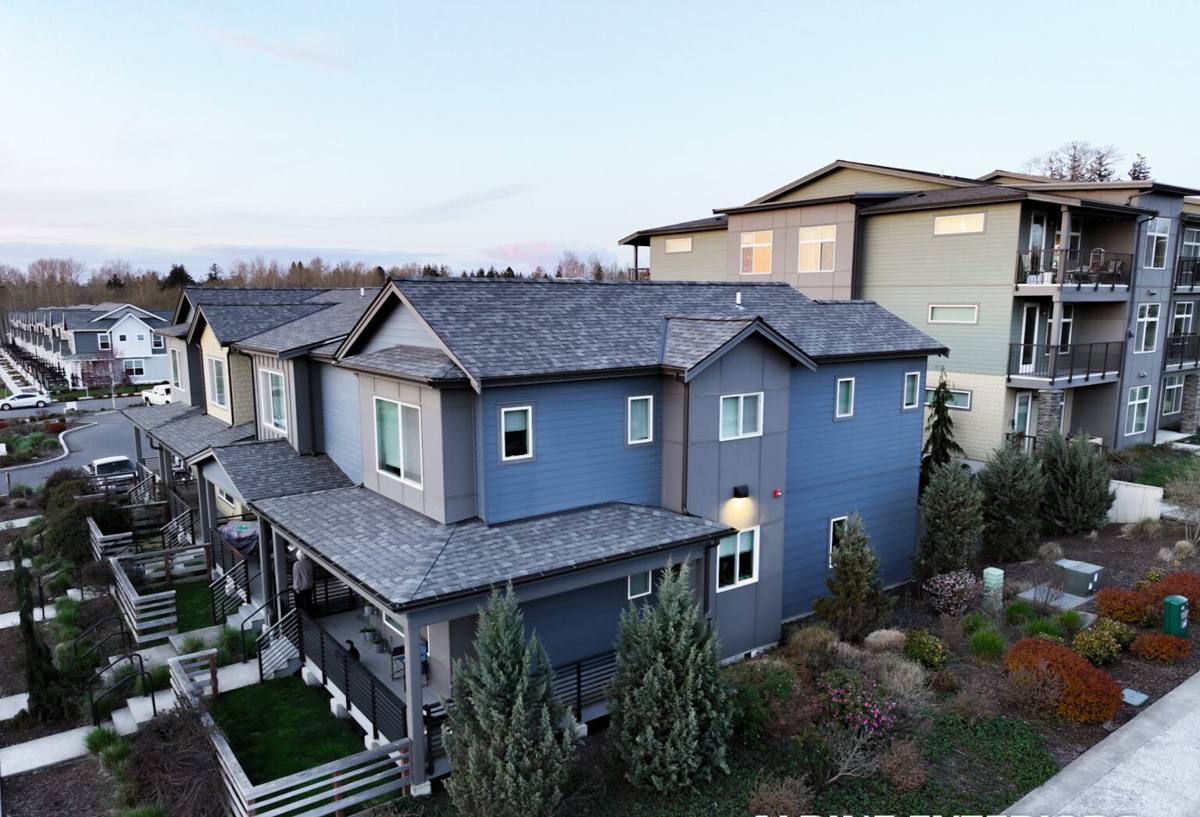
What Ferndale's Climate Actually Does to Siding
Before talking about installation, it's worth being specific about what's working against your siding here, because it shapes every decision that follows.
Salt Air and Fastener Corrosion
Proximity to saltwater means airborne salt settles on exterior surfaces and accelerates corrosion of anything metal that isn't rated for it — fasteners, flashing, trim screws. On a lot of siding jobs, the visible material gets all the attention while the fasteners holding it on are an afterthought. In a salt-air environment, that's backwards. Fastener choice matters as much as the siding panel itself.
Driving Rain and Wind-Driven Moisture
Whatcom County storms regularly push rain sideways into wall assemblies rather than letting it run straight down and off. Vertical board and batten siding has more seams and more panel edges than a lap profile, and every one of those seams is a place water can try to work its way behind the cladding if it isn't detailed correctly. Wind-driven rain finds gaps that would never be a problem in a calmer climate.
A Long Moss Season
Shaded, cool, and damp for a large part of the year, Ferndale gives moss and algae a long runway. Siding on the north side of a house, under trees, or near downspouts that don't drain well will show growth faster here than it would in a drier region. This affects both the finish you choose and how often the siding needs attention.
Why Board & Batten Suits This Area — With One Caveat
The vertical-board-with-narrow-batten look reads well on the farmhouse, craftsman, and modern-rustic styles that are common on homes in and around Ferndale, whether that's a working property on the edge of town or a newer build in a residential development. The strong vertical lines complement steep rooflines and simple massing, and it pairs well with board-and-batten accents already common on outbuildings and barns in this part of the county.
The caveat: board and batten is a profile, not a material. The same look can be built out of fiber cement, engineered wood, vinyl, or raw cedar, and those materials do not behave the same way once they're exposed to salt air, driving rain, and a long wet season year after year. The profile you like and the material that will actually hold up here are two separate decisions, and we only install one of them.
What a Correct Board & Batten Installation Involves
A board and batten job that's installed correctly and one that just looks right on install day can be very different five years later. Here's how the common substrate choices compare on the factors that actually matter in this climate.
| Material | Moisture behavior | Maintenance in salt air / moss climate | Typical lifespan here |
|---|---|---|---|
| James Hardie fiber cement | Non-combustible, dimensionally stable, doesn't swell or rot when wet | Factory ColorPlus finish resists fade and holds up to washing; low upkeep | Decades, backed by a strong transferable warranty |
| LP SmartSide (engineered wood) | Wood-based core; edges and cut ends are vulnerable if moisture gets in | Field-applied finishes need more attention; joints need vigilant caulk maintenance | Shorter than fiber cement if moisture management slips |
| Vinyl board and batten | Won't rot, but expands/contracts with temperature and can distort or crack in impact | Fades over time; hard to repaint; salt air can dull the surface | Moderate, appearance often degrades before the material fails |
| Raw or primed cedar / spruce | Natural wood movement; absorbs moisture at end grain and seams | Needs repainting/staining on a recurring schedule, more so with our rain and moss | Shortest without an aggressive maintenance routine |
We install James Hardie exclusively, which is why the details below describe that installation specifically.
The Details That Actually Matter
- Rainscreen gap or furring: a drainage gap behind the siding lets any moisture that does get past the cladding dry out instead of sitting against the wall assembly — important with the amount of wind-driven rain this area sees.
- Correct fasteners: corrosion-resistant fasteners rated for the exposure, not whatever was on the truck, matter more here than in a drier inland climate.
- Flashing at every horizontal joint and penetration: board and batten has more seams than lap siding, so flashing details around windows, corners, and butt joints get more attention, not less.
- Factory-applied ColorPlus finish: reduces the number of field-painted, weather-exposed seams compared to job-site-finished materials, which is one less thing that can fail from UV and moss growth.
- Manufacturer-spec fastening pattern and clearances: gap and clearance specs (from grade, roofline, and decking) exist for a reason in a wet climate — skipping them is how moisture problems start years later.
Our Process for Ferndale Board & Batten Projects
- On-site assessment: we look at existing siding, sheathing condition, and moisture history before quoting anything.
- Tear-off and inspection: once old siding is off, we check the sheathing and framing underneath for rot or prior water damage before anything new goes up.
- Weather-resistant barrier and rainscreen: the drainage plane goes in correctly before a single board is installed.
- Board and batten installation: Hardie panels and battens go up to manufacturer spec, with attention to fastener type, spacing, and flashing at every seam.
- Trim, caulking, and touch-up: corners and trim are finished, and any factory-finish touch-up is done with matched product.
- Final walk-through: we go over the finished job with you before calling it done.
What We Check Before We Call a Job Finished
- Every seam and butt joint is properly flashed, not just caulked over
- Fastener spacing and clearance match manufacturer specification
- Rainscreen gap is continuous and not blocked by debris or over-driven fasteners
- Flashing and trim details around windows, doors, and roof lines are watertight
- Bottom clearance from grade, decks, and roofing meets code and manufacturer minimums
- Touch-up paint matches the factory ColorPlus finish, not a close guess
Why a Crew That Already Works in Ferndale Matters
A lot of what separates a siding job that lasts from one that doesn't isn't the brochure — it's judgment calls made on-site, and those calls are better when a crew already knows the area. A crew that regularly works Ferndale and the surrounding Fairhaven area knows how much clearance to plan for wind-driven rain, when a weather window is actually long enough to safely open up a wall, and what kind of moisture and rot they're likely to find once old siding comes off on a home of a given age in this part of the county. That's not something you get from a crew that installs siding everywhere and happens to have a job here this month.
There's also a practical side: local crews already know the permitting expectations for exterior work in this part of Whatcom County, have a feel for realistic scheduling around the rainy season, and aren't guessing at logistics like debris haul-off or material staging on a typical residential lot here.
Maintenance: What Board & Batten Needs in This Climate
Correctly installed Hardie board and batten is low-maintenance, not no-maintenance. In a salt air, high-rain, moss-prone climate like Ferndale's, a little attention goes a long way:
- Rinse the siding periodically, especially shaded or north-facing walls where moss and algae take hold fastest
- Keep gutters and downspouts clear so water isn't sheeting down the wall or pooling at the base of the siding
- Walk the exterior once a year and check caulking at trim and window seams for cracking or gaps
- Trim back vegetation and tree cover that keeps a wall shaded and damp longer than it needs to be
- Address any impact damage or lifted boards promptly rather than letting moisture get behind the assembly
What Affects the Cost of Board & Batten Siding in Ferndale
| Factor | Why it moves the price |
|---|---|
| Wall area and home size | More square footage means more material and labor, straightforwardly |
| Tear-off vs. new construction | Removing and disposing of old siding adds labor that a new build doesn't have |
| Trim and corner complexity | Board and batten with detailed corners, window trim, or multiple wall planes takes more time per square foot than a simple rectangular wall |
| Accessibility | Multi-story sections, steep grades, or obstructed access (fences, landscaping, tight side yards) add labor time |
| Moisture or rot found during tear-off | Sheathing repair discovered once old siding comes off is common on older homes and is priced once it's visible, not guessed in advance |
| Color and finish selection | Factory ColorPlus finish options vary slightly in cost but all avoid the ongoing expense of field painting |
Why We Install Only James Hardie for This Job
We standardized on James Hardie fiber cement because, given what Ferndale's climate actually does to a home's exterior over the years — the salt air, the driving rain, the moss season — it's the material we're comfortable putting our name on. It's non-combustible, dimensionally stable in wet-dry cycling, carries a factory-applied finish engineered for climates like this one, and comes with a strong transferable warranty. We don't install LP SmartSide, vinyl, or raw cedar board and batten, not because those products have no merit anywhere, but because we'd rather stand behind one material we trust completely in this specific climate than offer several we'd have reservations about.
If you're weighing board and batten siding for a home in Ferndale or elsewhere near Fairhaven, we're happy to take a look at your specific situation and walk you through what a correct installation would involve. There's no cost and no pressure to get an estimate — just a straight answer about your home and this climate.