 Fairhaven Siding
 Windows in Ferndale Take a Different Kind of Beating
Ferndale sits close enough to the Salish Sea that salt-laden air is a daily fact of life for the homes here, not an occasional nuisance. Add in Whatcom County's long stretch of driving, wind-blown rain from fall through spring, and the moss and algae growth that follows on anything shaded or slow to dry, and you have a climate that is genuinely hard on window assemblies. It is not just the glass that suffers. Frames, sills, flashing, and the wall framing behind them are all exposed to repeated wetting and drying cycles for most of the year.
A window that was installed correctly for a drier inland climate will often underperform here. The difference between a window that lasts twenty-plus years in Ferndale and one that starts leaking in five usually has less to do with the window itself and more to do with how it was flashed, sealed, and integrated into the wall. That is the piece of the job most homeowners never see and most installers rush.
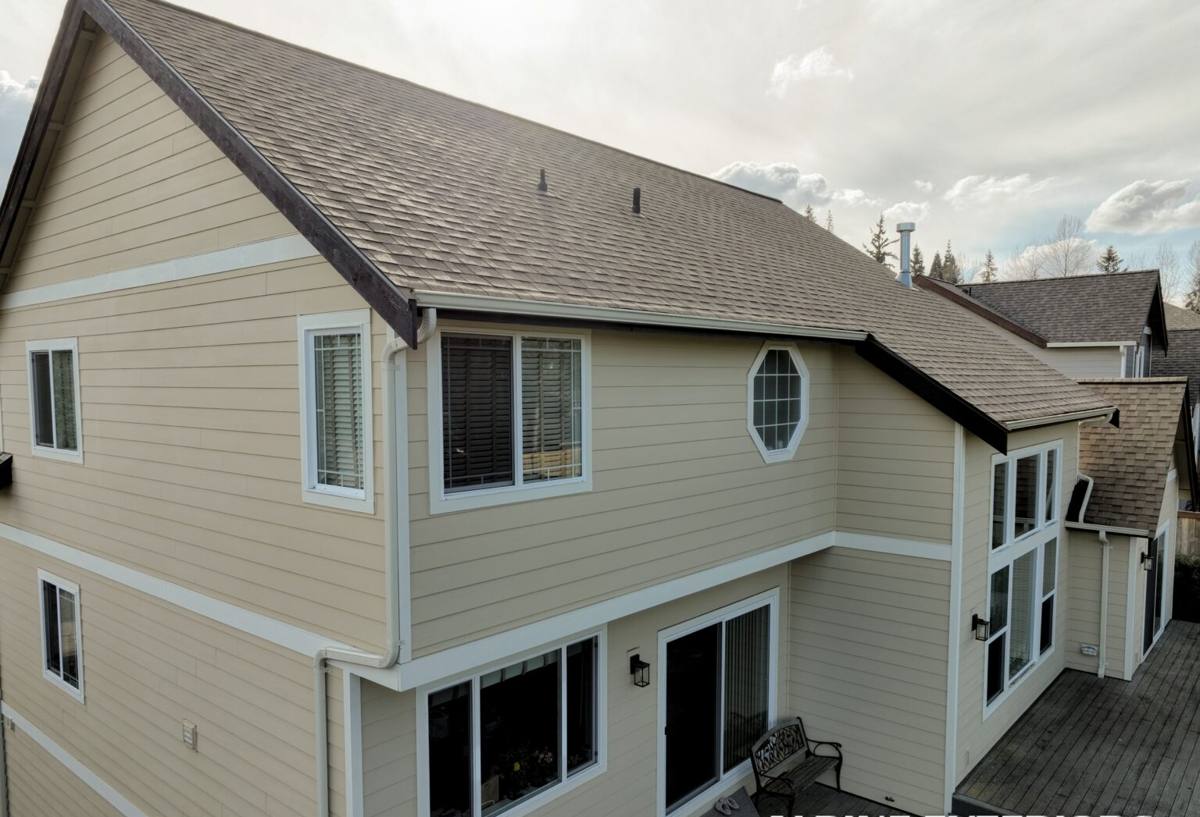
What "Correct" Window Installation Actually Involves
Window installation is often sold as a one-day swap: old window out, new window in, trim reinstalled. In a climate like this, that shortcut is exactly how moisture problems start. A proper installation is really a small water-management project built around the window itself.
Flashing and Water Management
Every window opening needs a drainage plane that assumes water will get behind the trim eventually — because in this climate, it will. That means a sloped sill pan to carry any intrusion back out rather than into the wall cavity, properly lapped flashing tape at the sides and head, and integration with the house wrap so water sheds down and out rather than pooling at the bottom corners. Skipping the sill pan is one of the most common shortcuts we see when we're called in to fix a leaking window that "was just installed a few years ago."
Air Sealing and Insulation
Gaps between the window frame and the rough opening need to be sealed with a compatible, flexible sealant or low-expansion foam — not stuffed with fiberglass insulation alone, which does nothing to stop air and moisture movement. Poor air sealing shows up later as drafts, condensation on interior sills, and higher heating bills through the wet winter months.
Level, Plumb, and Properly Fastened
A window that is out of square binds, doesn't lock tightly, and wears out its weatherstripping and hardware faster. Shimming to true level and plumb, then fastening per the manufacturer's schedule, is basic craftsmanship — but it's the step that gets rushed when a crew is trying to move fast through a job.
Signs a Ferndale Home's Windows Need Attention
Because of the constant moisture cycle here, window problems tend to show up gradually rather than all at once. Homeowners often live with early warning signs for a year or two before addressing them, by which point some water damage to the surrounding wall is common. Watch for:
- Soft, discolored, or bubbling paint on interior or exterior trim around the window
- Fogging or moisture trapped between panes of double-glazed glass
- Drafts you can feel at the frame edge even with the window fully latched
- Difficulty opening, closing, or locking a window that used to operate smoothly
- Visible moss, algae, or dark staining on the sill or the siding just below the window
- Soft spots in the wall or trim when pressed, which can indicate rot behind the surface
Any one of these on its own may be minor. Two or more around the same window usually means water has already found a way in and the installation — not just the window — needs a look.
Choosing Windows for a Salt Air, High-Rain Climate
Frame material matters more here than in drier parts of the state, because the frame is what sits in direct contact with driving rain and salt-carrying wind for most of the year. There isn't a single "correct" material for every home — it depends on your home's style, budget, and how much upkeep you want to take on.
| Frame Material | How It Handles This Climate | Upkeep |
|---|---|---|
| Vinyl | Doesn't rot or corrode; performs well against salt air and rain when properly installed | Low — occasional cleaning |
| Fiberglass | Very stable in wet, temperature-swinging conditions; strong seal retention over time | Low |
| Wood (clad or unclad) | Classic look for older Fairhaven and Ferndale homes, but bare wood is vulnerable to constant moisture exposure | Higher — regular paint/finish maintenance |
| Aluminum | Conducts heat and cold readily and can be prone to corrosion near salt air unless properly finished | Moderate |
We don't push one brand or material on every homeowner. What we do insist on is a moisture-appropriate installation regardless of what material you choose — a top-tier window installed without a sill pan will still leak, and a modest window installed correctly can outlast it.
Our Installation Process
The steps below are the same ones we follow on every window job in the Fairhaven and Ferndale area, whether it's one window or a whole-house replacement.
- On-site assessment of the existing window, opening, and any signs of hidden moisture damage before quoting
- Careful removal of the old window and inspection of the rough opening and sheathing underneath
- Repair of any rot or damaged framing found before the new window goes in — this is not an optional add-on, it's a precondition for a dry install
- Installation of a sloped sill pan and properly lapped flashing tied into the house wrap
- Setting the new window level, plumb, and square, then fastening per manufacturer specification
- Air sealing the perimeter gap with a compatible sealant or low-expansion foam
- Exterior trim and caulking finished to shed water away from the opening
- Final operational check — smooth open/close, tight lock engagement, no visible gaps
Why a Crew That Already Works Ferndale Matters
Window installation isn't a generic trade skill applied the same way everywhere. A crew that regularly works Ferndale and the surrounding Fairhaven area already knows which details of a job need extra attention here: the sill pan step that inland installers sometimes skip, the flashing sequence that actually works against wind-driven rain rather than just vertical rainfall, and the realistic weather windows for exterior sealant to cure properly given how often it's damp.
Being local also means we're not disappearing after the invoice is paid. If a question comes up six months or two years later, we're still working in the same neighborhoods and can come back out. That accountability tends to show in the quality of the work itself — installers who expect to be judged on how a window performs through its second or third wet season install differently than a crew passing through for a one-off job.
What Affects the Cost of a Window Installation
Every home is different, but the main cost drivers on a Ferndale window job tend to fall into a few predictable categories. Getting a firm number requires an on-site look, but this is generally what moves the price:
| Factor | Why It Matters |
|---|---|
| Frame material and glass package | Vinyl and fiberglass typically cost less than clad wood; double vs. triple pane and low-E coatings add cost but improve performance |
| Hidden rot or damage found at removal | Framing repair adds labor and material beyond the window itself, but skipping it just relocates the problem |
| New construction vs. replacement window | Replacement (insert) windows are generally faster and less invasive when the existing frame is sound |
| Number of openings and access | Multiple windows on one visit typically cost less per unit than single, isolated jobs |
| Trim and siding work required | Matching existing trim or repairing siding disturbed during removal adds finish labor |
We'd rather walk a homeowner through these factors honestly during the estimate than quote a number over the phone that doesn't hold up once we see the actual opening.
Maintenance After Installation
A correctly installed window in this climate still needs a small amount of upkeep to protect that investment. Rinse accumulated salt residue and grime off frames and glass a couple of times a year, especially after storms. Keep an eye on exterior caulking at the trim joints and touch it up if it starts to crack or pull away — this is the first line of defense against water getting behind the trim. Clear moss or debris that collects on sills or nearby siding before it holds moisture against the surface. None of this takes much time, and it goes a long way toward getting the full service life out of a properly installed window.
Get a Straight Answer About Your Windows
If you're dealing with a drafty, foggy, or sticking window in Ferndale, or you're planning ahead for a replacement before the next wet season sets in, we're happy to take a look and give you an honest read on what's going on. Use the form below to request a free, no-pressure estimate — we'll walk the job with you and explain exactly what we'd do and why.